The Supreme Court ordered every state and union territory to draft a uniform policy within three months for the early release of elderly and terminally ill prisoners. The move aims to address humanitarian concerns while easing chronic prison overcrowding.
मुख्य बिंदु (Key Takeaways)
- All states must craft a uniform early‑release policy within three months.
- Definition of "terminal illness" will follow UNODC standards.
- An e‑Prisons portal will ensure transparent, time‑bound processing.
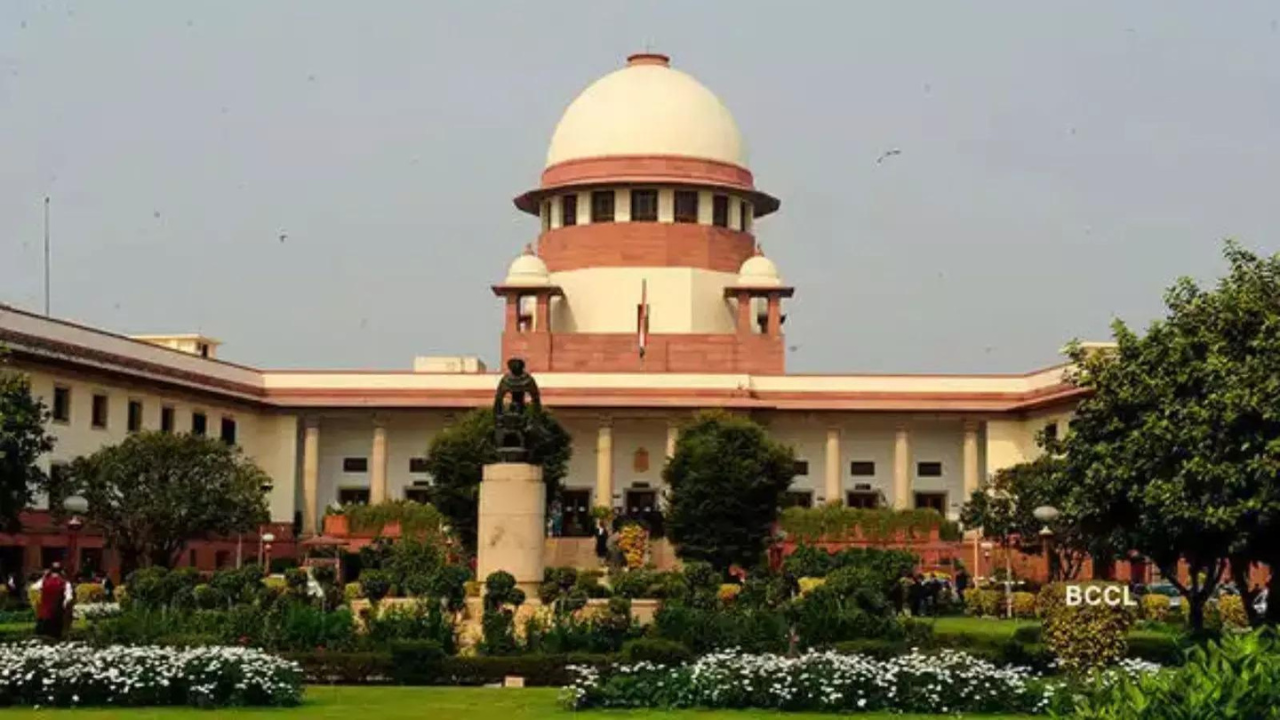
On July 16, 2026, a two‑judge bench of the Supreme Court—Justices Vikram Nath and Sandeep Mehta—issued a landmark directive in response to a petition filed by the National Legal Services Authority (NALSA). The Court instructed every state and union territory to formulate, within three months, a comprehensive policy governing the premature release of elderly and terminally ill prisoners.
Background and Existing Challenges
India’s correctional facilities have long wrestled with chronic overcrowding. NALSA’s inspections revealed a glaring absence of a uniform framework for compassionate release, leaving many senior and gravely ill inmates incarcerated despite limited life expectancy. The Court’s order seeks to fill this legislative vacuum, emphasizing a humane, time‑bound mechanism for remission.
Core Elements of the Policy
The directive mandates that each state articulate clear eligibility criteria, procedural steps, and a precise definition of “terminal illness.” The definition will be drawn from the United Nations Office on Drugs and Crime (UNODC) handbook, which characterises terminal illness as a condition with no reasonable medical prospect of reversal, inevitably leading to death.
Independent Medical Boards and Review Committees
States must establish independent medical boards to certify cases of terminal illness or advanced age. Additionally, Under‑Trial Review Committees (UTRCs) are to be integrated with the new policy, ensuring periodic review of eligible prisoners and recommending bail, parole, remission, or outright release where appropriate.
Digital Infrastructure and Compliance
To streamline implementation, the Court directed the Union government, in coordination with the National Informatics Centre (NIC), to develop an e‑Prisons portal. This platform will automate alerts, monitor statutory timelines, generate compliance reports, and safeguard prisoners’ medical and personal data. States and UTs must submit compliance affidavits within six months, detailing identified prisoners, those granted early release, and pending cases. The affidavits will be examined on January 19, 2027.
Potential Impact
Experts predict that the policy could markedly reduce prison congestion while upholding the dignity of vulnerable inmates. By institutionalising a compassionate release mechanism, the judgment sets a precedent for future human‑rights‑centric reforms in India’s criminal justice system.