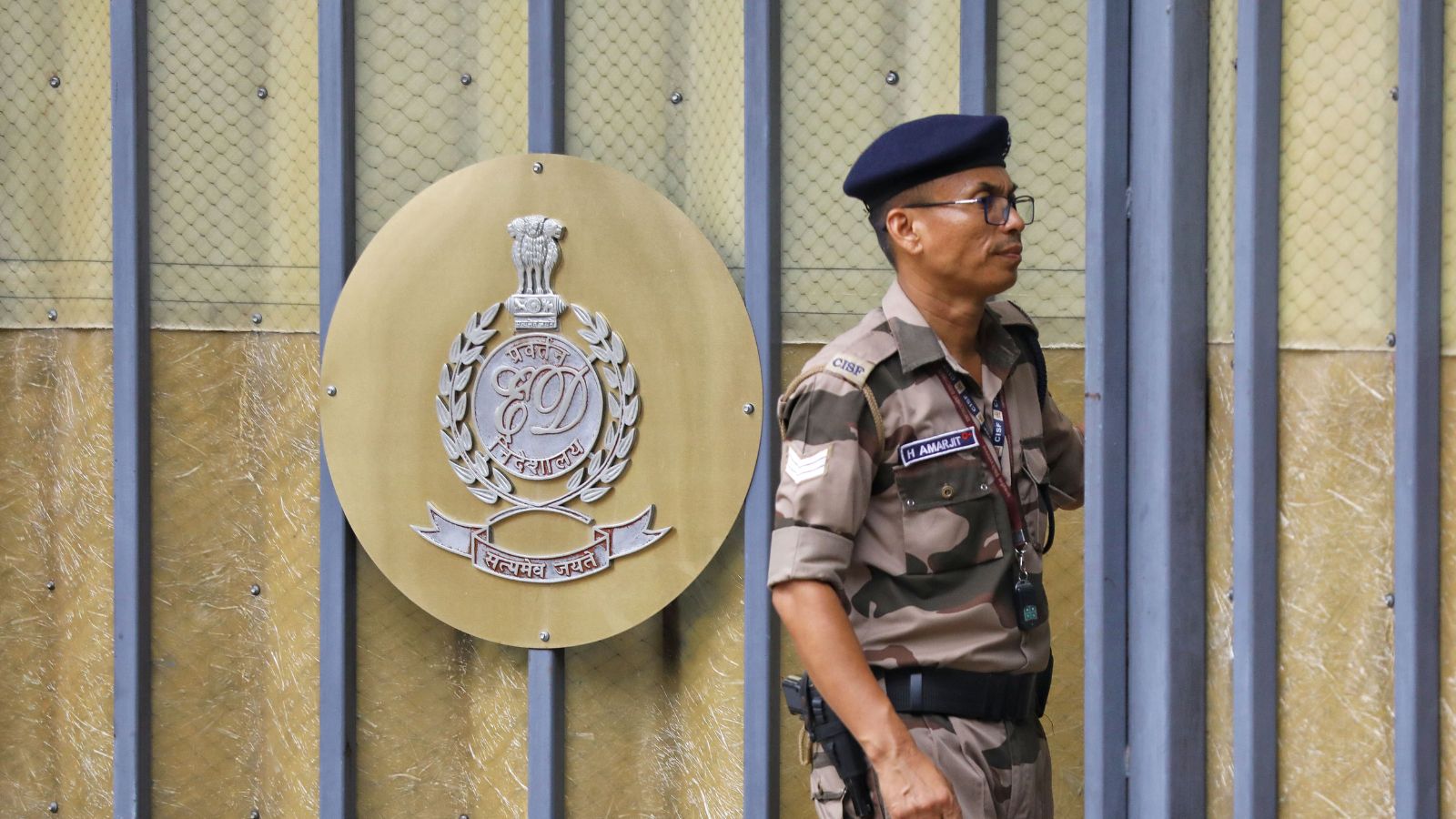
The Enforcement Directorate conducted simultaneous searches across Uttar Pradesh, West Bengal, Delhi and Haryana, confiscating ₹40 lakh in cash and 180 g of gold coins. The sweeps trace back to a 2024 arrest of a Bangladeshi national in Uttar Pradesh, which unraveled a cross‑state terror‑funding and illegal‑infiltration network.
Key Takeaways
- ED raids in four states yielded ₹40 lakh cash and 180 g of gold.
- The probe originated from a 2022 arrest of a Bangladeshi national in Uttar Pradesh.
- Investigation uncovered a syndicate facilitating illegal entry of Rohingya and Bangladeshi nationals, forged IDs and possible terror financing.
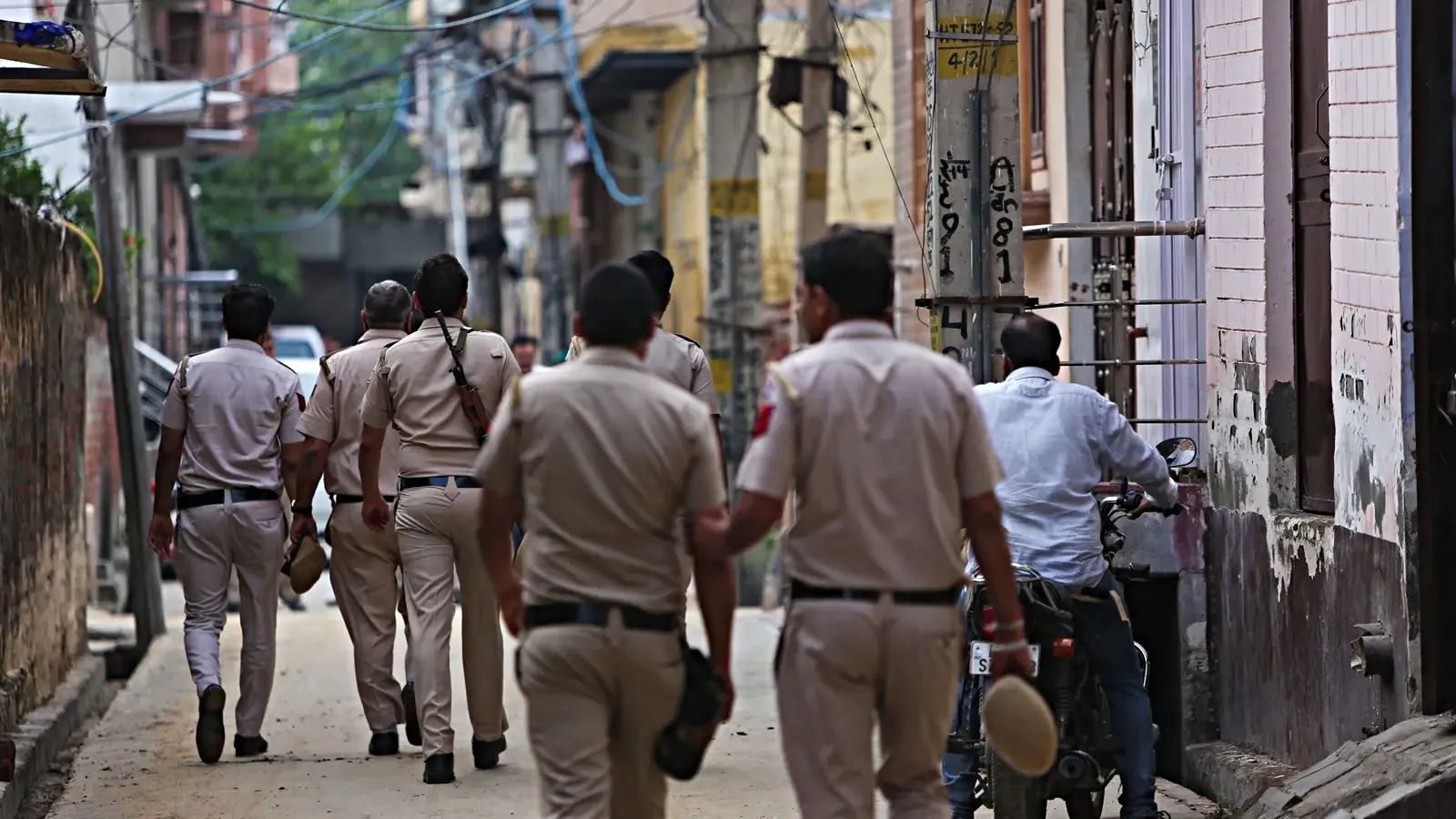
New Delhi – The Enforcement Directorate (ED) launched coordinated searches at 16 locations across Uttar Pradesh, West Bengal, Delhi and Haryana on Thursday, seizing ₹40 lakh in cash and gold coins weighing 180 grams from the Al‑Jamiatul Islamia Darul Uloom madrasa in Haroa, North 24 Parganas, West Bengal.
Genesis of the Investigation
The operation stems from the 2022 apprehension of a Bangladeshi national, Mohammad alias Adil‑ur‑Rehman, by the Uttar Pradesh Anti‑Terrorist Squad (ATS) in Varanasi. During interrogation, Adil disclosed that two other Bangladeshi nationals were residing in Saharanpur’s Deoband area, and that a larger syndicate had facilitated his illegal entry using forged Aadhaar and PAN cards.
Scope of the Syndicate
Subsequent ATS investigations revealed a network operating across West Bengal, Delhi, Haryana, Madhya Pradesh and several districts of Uttar Pradesh. The syndicate allegedly manufactured counterfeit Indian identity documents, arranged hawala‑style foreign contributions, and provided settlement assistance to Rohingya refugees and Bangladeshi migrants. Authorities allege that charitable trusts and NGOs were co‑opted to launder funds and funnel money into illicit activities, including potential terror financing.
ED’s Findings So Far
Beyond the gold and cash, the ED has seized bank records, digital devices and multiple “mule” accounts for forensic analysis. The agency reports that at least ₹20 crore has been circulated through layered transactions, small‑value transfers and cash withdrawals to obscure the money trail. All raids were conducted under the Prevention of Money Laundering Act (PMLA) after the ATS lodged an FIR in 2024.
Implications and Next Steps
With fifteen other premises still under review, investigators aim to map the full extent of the financial web and identify any remaining conspirators. Security experts warn that dismantling such cross‑border infiltration networks is crucial for safeguarding India’s internal stability and preventing communal discord. The ongoing probe underscores the importance of inter‑agency coordination in combating sophisticated money‑laundering schemes linked to national security threats.