The Supreme Court has cleared three surviving defendants in a 1977 murder case, overturning convictions that led to life imprisonment. The bench highlighted serious flaws in the prosecution’s evidence and witness statements, granting the benefit of doubt and setting a precedent for delayed justice.
Key Takeaways
- Supreme Court acquits three surviving accused in a 49‑year‑old murder case.
- Prosecution’s case riddled with serious infirmities and inconsistent witness testimonies.
- Benefit of doubt granted after life sentences were already served.
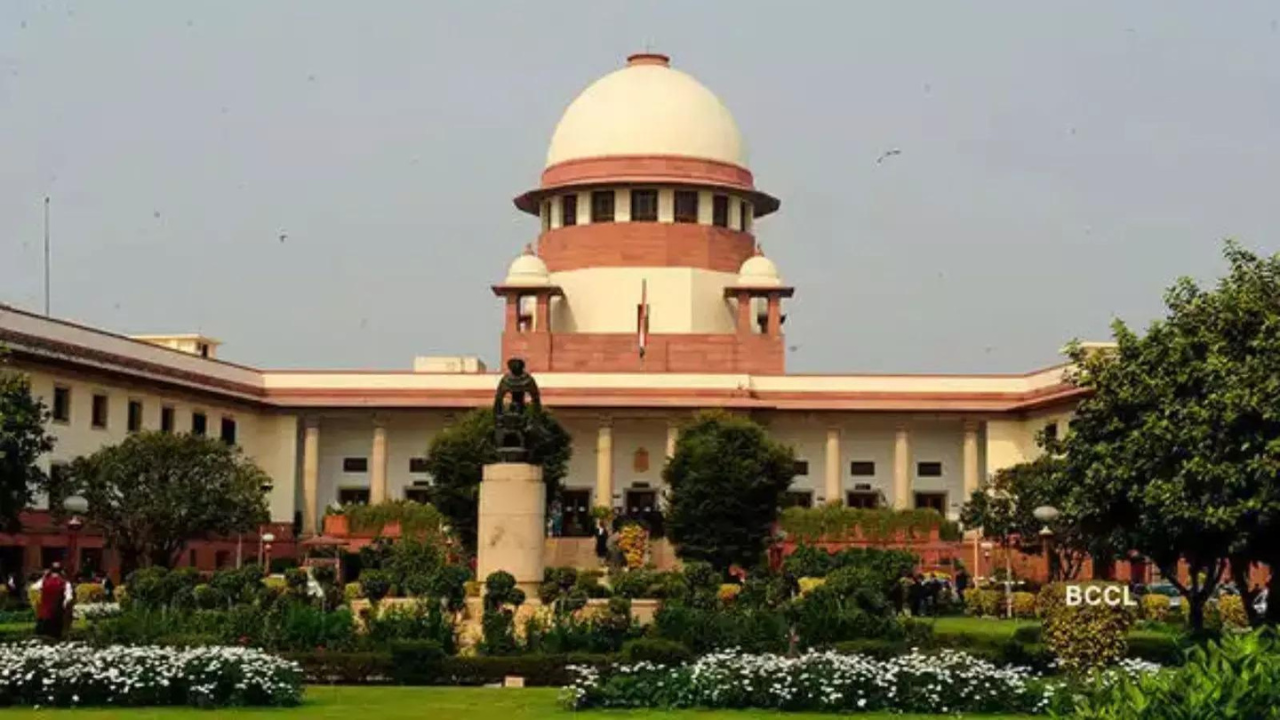
New Delhi – In a landmark judgment, the Supreme Court of India overturned convictions in a 1977 homicide that had lingered for nearly five decades. A bench comprising Justices Vikram Nath and Sandeep Mehta absolved three remaining defendants, while two others had died during the pendency of the case. The decision, delivered in July 2026, comes after the accused had already served life‑imprisonment terms, later remitted by the Uttar Pradesh government.
Legal History and Procedural Journey
The murder occurred on 28 June 1977, leading to a trial that, in 1981, sentenced all seven alleged perpetrators to life imprisonment. Subsequent appeals saw the High Court uphold the sentences, but two accused passed away before the final appeal could be heard. Of the three survivors, two obtained bail in 2013, whereas Hiral Lal was denied relief and remained incarcerated until his sentence was remitted.
Supreme Court’s Reasoning
Justices Nath and Mehta identified “serious infirmities” in the prosecution’s case, noting that witness accounts were riddled with contradictions. The Court concluded that the prosecution failed to prove beyond reasonable doubt that the crime took place on the alleged date or in the manner described by the so‑called eyewitnesses. Consequently, the alleged presence of the accused at the crime scene was deemed “highly improbable,” rendering the prosecution’s narrative untenable.
Implications for the Justice System
This judgment underscores the critical importance of timely and reliable evidence in criminal trials. Prolonged litigation, coupled with flawed investigative practices, can erode the very essence of justice, as seen when individuals serve entire life sentences only to be later exonerated. The case highlights the need for systemic reforms, especially in evidence collection, witness protection, and appellate scrutiny.
Looking Ahead
The acquittal sends a clear message: convictions must rest on incontrovertible proof, and courts must remain vigilant against procedural lapses. As India grapples with backlog‑laden courts, this decision may catalyze a broader push for procedural efficiency and stricter evidentiary standards, ensuring that future cases are resolved before justice is delayed beyond redemption.