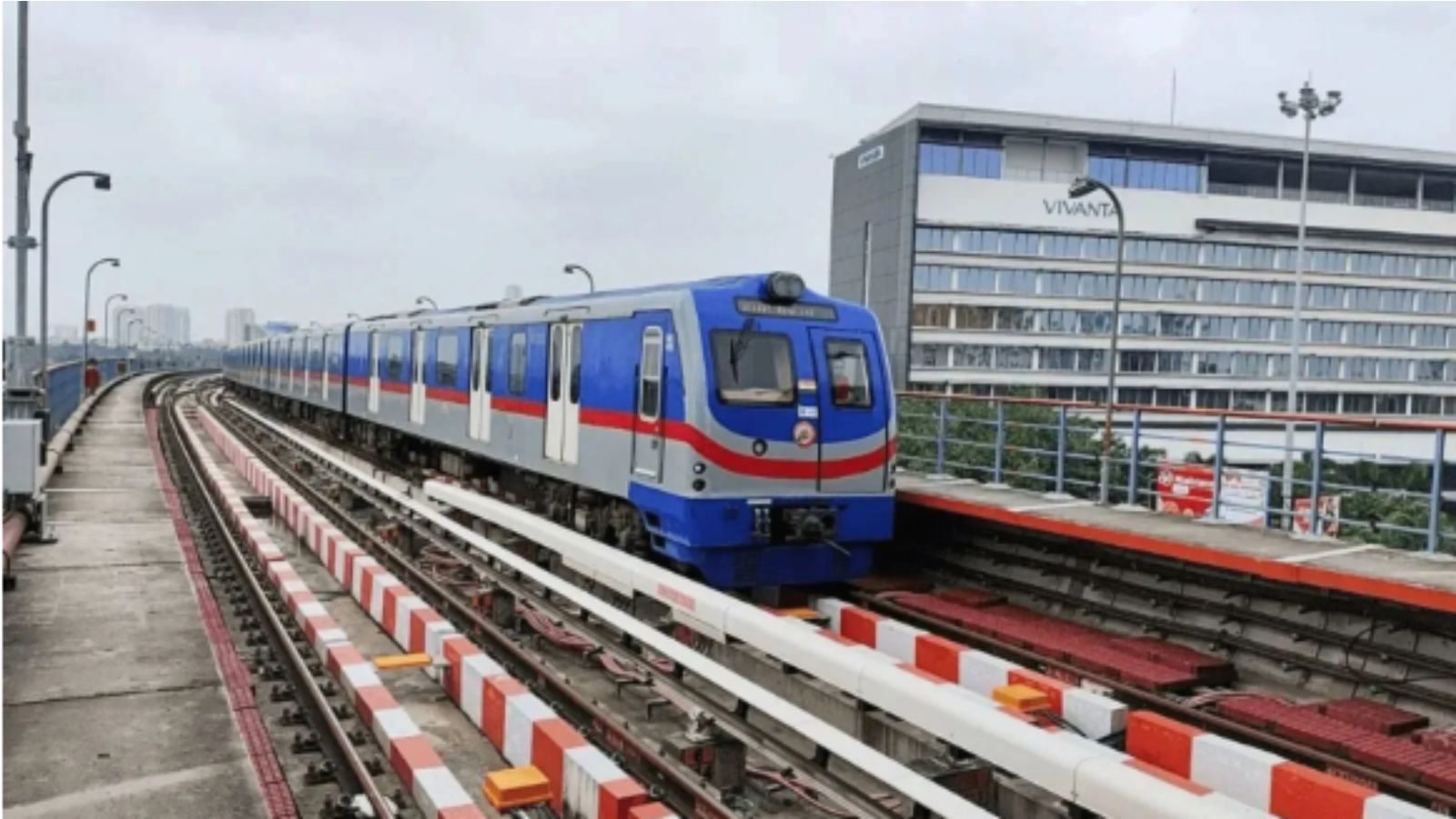
Kolkata Metro has secured approval for driverless operation on its Green Line, with plans to extend the technology to the Purple Line later. The move places the city alongside Delhi and Bengaluru as a pioneer of fully autonomous urban rail in India.
Key Takeaways (मुख्य बिंदु)
- Kolkata Metro’s Green Line cleared for driverless (autonomous) operation
- Purple Line slated for similar technology in the future
- Orange Line traffic bottleneck resolved after an 18‑month delay
Kolkata is officially joining the elite club of Indian cities that operate driverless metro trains. The Commissioner of Railway Safety (CRS) has given the green light for autonomous operation on the Metro’s Green Line (East‑West Corridor), which runs from Howrah Maidan to Salt Lake Sector V. Plans are also under way to introduce the same technology on the Purple Line, although a concrete timeline has not yet been announced.
Background and Significance
Delhi Metro already runs driverless services on its Magenta and Pink lines using Grade of Automation‑4 (GoA‑4) technology, meaning no train attendants are required on board. Bengaluru’s Yellow Line similarly operates unmanned trains. Kolkata’s adoption of this technology not only modernises the city’s public transport but also promises environmental benefits—electric, driverless trains improve energy efficiency and cut carbon emissions.
Technical Backbone and Safety Measures
Driverless trains rely on a sophisticated signalling infrastructure called CBTC (Communication‑Based Train Control). Among Kolkata Metro’s two operational lines, only the East‑West (Green) Line is currently equipped with CBTC. Safety is reinforced by platform screen doors (PSDs) that open only when a train is fully stationary, preventing accidental falls onto the tracks. Additionally, the front of each train houses highly sensitive optical sensors and physical bars that instantly trigger emergency brakes if any object is detected on the track.
Breakthrough on the Orange Line
A major traffic deadlock has finally been cleared on Line 6 (Orange Line). After an 18‑month stalemate caused by delays in securing traffic blocks on the busy EM Bypass, engineers from Rail Vikas Nigam Limited (RVNL) successfully installed critical girders over pillars 317‑319 at Chingrighata. This completion removes a key bottleneck and paves the way for the line’s eventual expansion and operation.
Future Outlook
The successful rollout of driverless technology could set a benchmark for other Indian metros. Experts argue that as urban populations swell, autonomous systems will boost capacity, reliability, and overall service quality. Moreover, the shift may stimulate new public‑private partnerships, investment inflows, and skilled‑job creation in the high‑tech transport sector.