A string of 7 losses in 9 matches has exposed India's tactical flaws in overseas conditions. The reliance on all-rounders over specialist batsmen is under intense scrutiny.
Key Takeaways
- India has suffered 7 defeats in their last 9 international matches.
- The decision to prioritize all-rounders over specialist batsmen in overseas conditions has backfired.
- The middle-order collapse in Cardiff led to a disappointing total of 233 runs.
- Players like Washington Sundar and Shivam Dube failed to deliver with both bat and ball.
The ongoing European tour has turned into a nightmare for the Indian Cricket Team. Following a 4-wicket defeat against England in the Cardiff ODI, the scrutiny has shifted from individual player form to the strategic failures of the team management and selectors. With 7 losses in their last 9 international outings since June 26, the cracks in India's overseas blueprint are becoming impossible to ignore.
The Flaw in the Tactical Blueprint
Historically, India's greatest strength has been its deep batting lineup. However, in the swinging and bouncing conditions of England, the management opted for a risky combination. Instead of picking an extra specialist batsman to bolster the middle order, the selectors leaned heavily on all-rounders like Washington Sundar and Shivam Dube. This gamble has proven disastrous, as these players failed to provide the necessary stability with the bat or the breakthrough impact with the ball.
The Cardiff Collapse
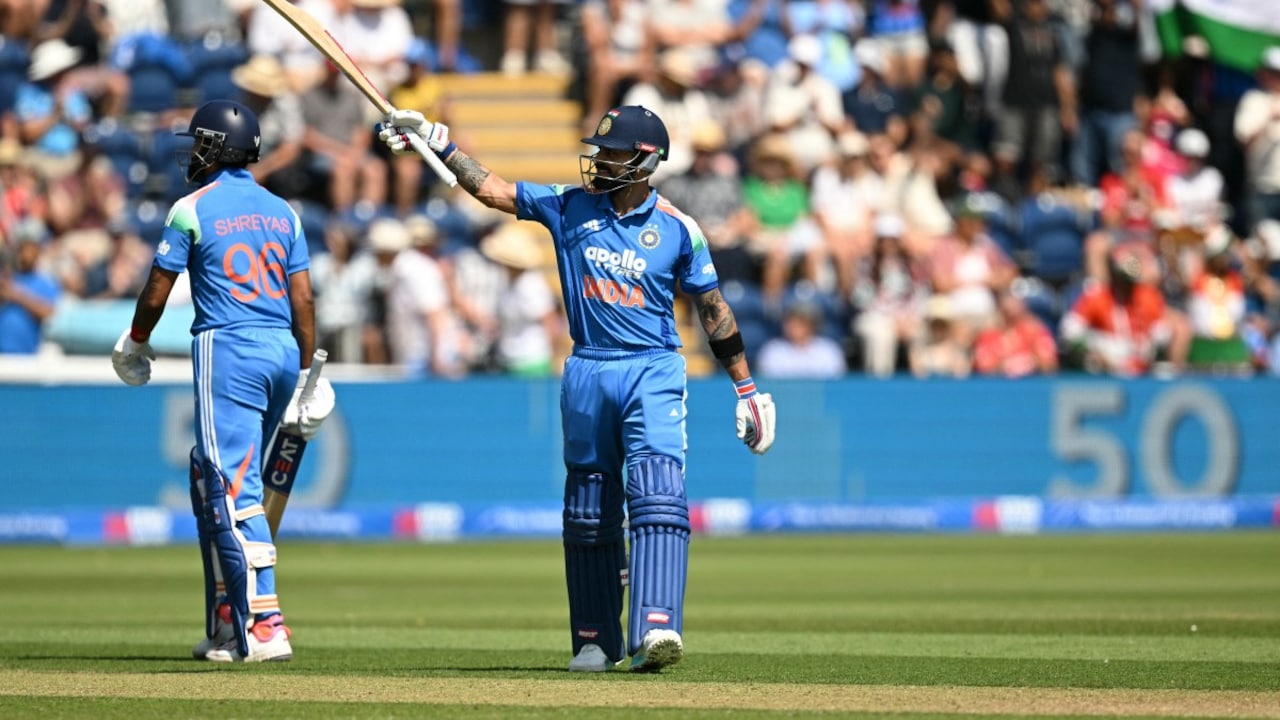
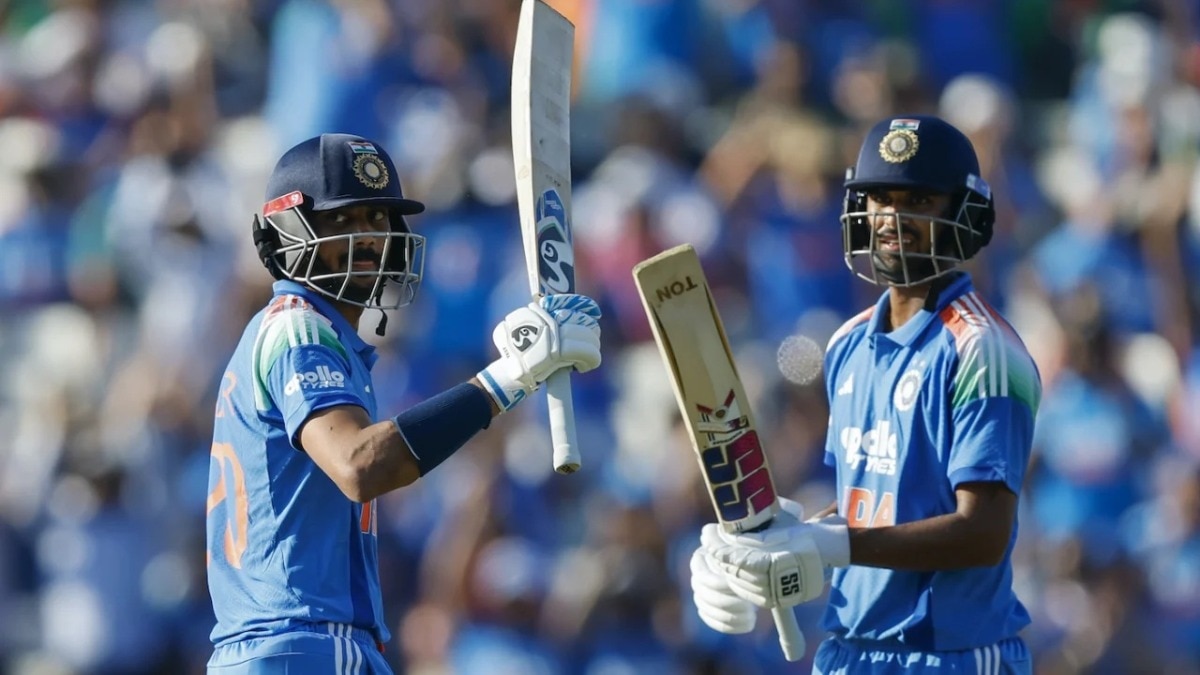
The match in Cardiff was a classic case of 'what could have been.' When Virat Kohli was dismissed for 65, India stood at a commanding 178/4, looking set to cross the 300-run mark. However, the subsequent collapse was catastrophic. Faced with the lethal pace and bounce of Jofra Archer and Saqib Mahmood, the Indian lower-middle order crumbled. Sundar, Patel, and Dube all fell cheaply, unable to handle the technical demands of the pitch, leading to a total of just 233 runs in 44 overs.
Overconfidence or Strategic Error?
There is a growing sentiment that recent successes in white-ball cricket—including the T20 World Cup and Champions Trophy titles—may have led to a sense of complacency regarding team combinations. A formula that works on slow, turning tracks in India rarely translates to the fast, bouncy wickets of England or Australia. The selection of Shivam Dube, a player with T20 utility but limited ODI pedigree, highlights a disconnect between domestic dominance and international readiness. For India to regain its footing on foreign soil, a return to tactical balance and specialist depth is imperative.