SpaceX halted its second attempt to launch the upgraded Starship V3 after several engines failed to ignite, triggering an automatic abort. The incident sent the company's shares down more than 4% in after‑hours trading, closing below its IPO price.
Key Takeaways
- Second Starship V3 launch aborted at ignition
- Four Raptor engines failed to start, causing automatic abort
- Shares fell over 4% and closed below IPO pricing
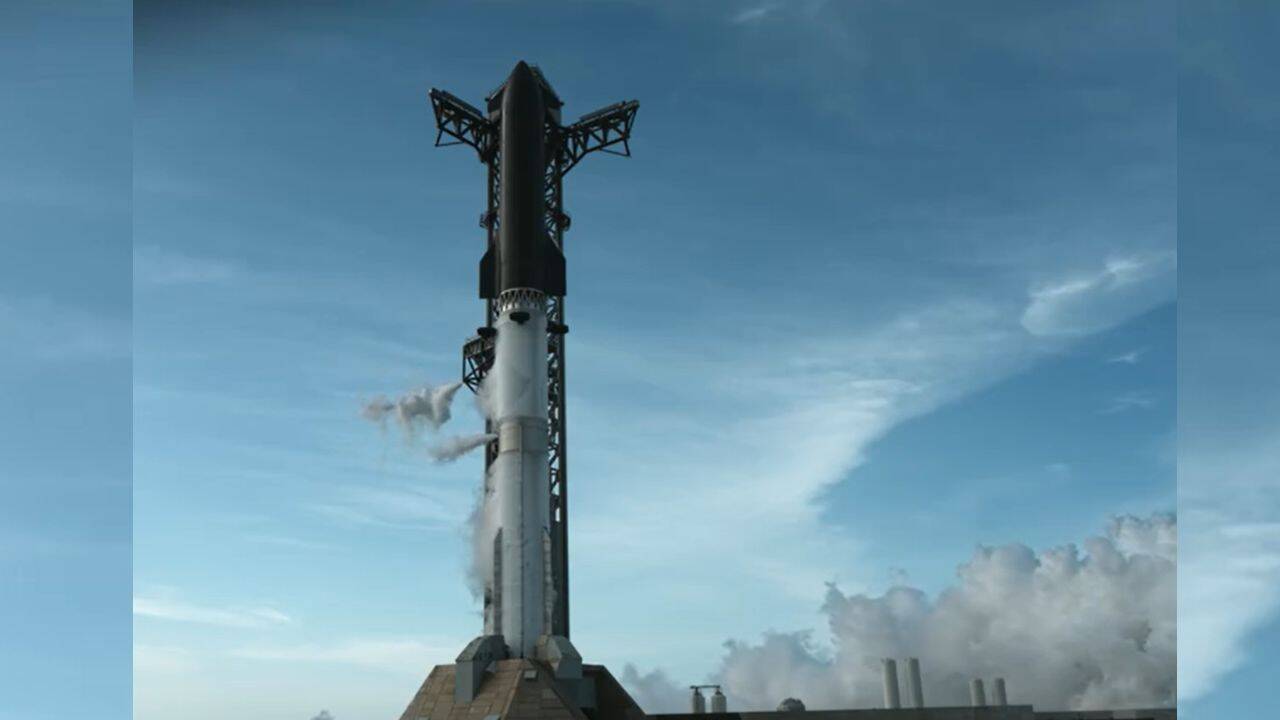
SpaceX abruptly terminated the second launch attempt of its upgraded Starship V3 on Thursday, moments after the Super Heavy booster ignited at its South Texas facility. CEO Elon Musk announced on X that “some of the engines didn’t start, triggering an automatic launch abort,” and that two of the engines will be replaced. The company will not attempt another launch until next week.
Background and Significance
Starship is central to SpaceX’s vision of dramatically lowering the cost of access to space and establishing “orbital data centers” that could host internet‑backed services. The aborted launch was intended to carry the first third‑generation Starlink satellites, which are designed to burn up roughly 20 minutes after deployment because Starship has yet to demonstrate a reliable orbital insertion capability.
Financial Impact
This launch marked the first test flight attempt since SpaceX’s historic IPO on June 12, the largest ever, raising more than $85 billion and briefly touching the market caps of Amazon and Microsoft. After the abort, the stock slipped more than 4% in after‑hours trading and closed below the IPO price of $135, underscoring investor caution amid persistent technical hurdles.
Lessons from the May Test
The May launch of Starship V3 delivered mixed results: the upgraded booster cleared the pad, and a number of Starlink simulators were deployed, but the Super Heavy stage suffered a failure before it could attempt a simulated landing in the Gulf of Mexico. This prompted an FAA‑ordered review, which cleared the company for another flight earlier this week after identifying several failure modes and corrective actions. The upper stage also lost an engine during the May mission yet managed a successful water‑based simulated landing.
Future Outlook
SpaceX aims to prove that the Starship‑Starlink combination can serve as both a commercial revenue engine—Starlink remains the firm’s only consistently profitable segment—and a technological stepping stone toward human missions to the Moon and Mars. The Thursday attempt appeared on track until a brief pause at T‑minus one minute; the countdown resumed, the water deluge system activated, and the booster’s engines began firing—only for the system to shut down abruptly, with four new Raptor engines failing to ignite.
Next Steps
SpaceX must now purge all propellant from both the Super Heavy booster and the upper stage before conducting a thorough post‑mortem to pinpoint the root cause. The company has pledged to replace the faulty engines and resume testing next week, signaling its resolve to keep pushing the envelope despite setbacks.