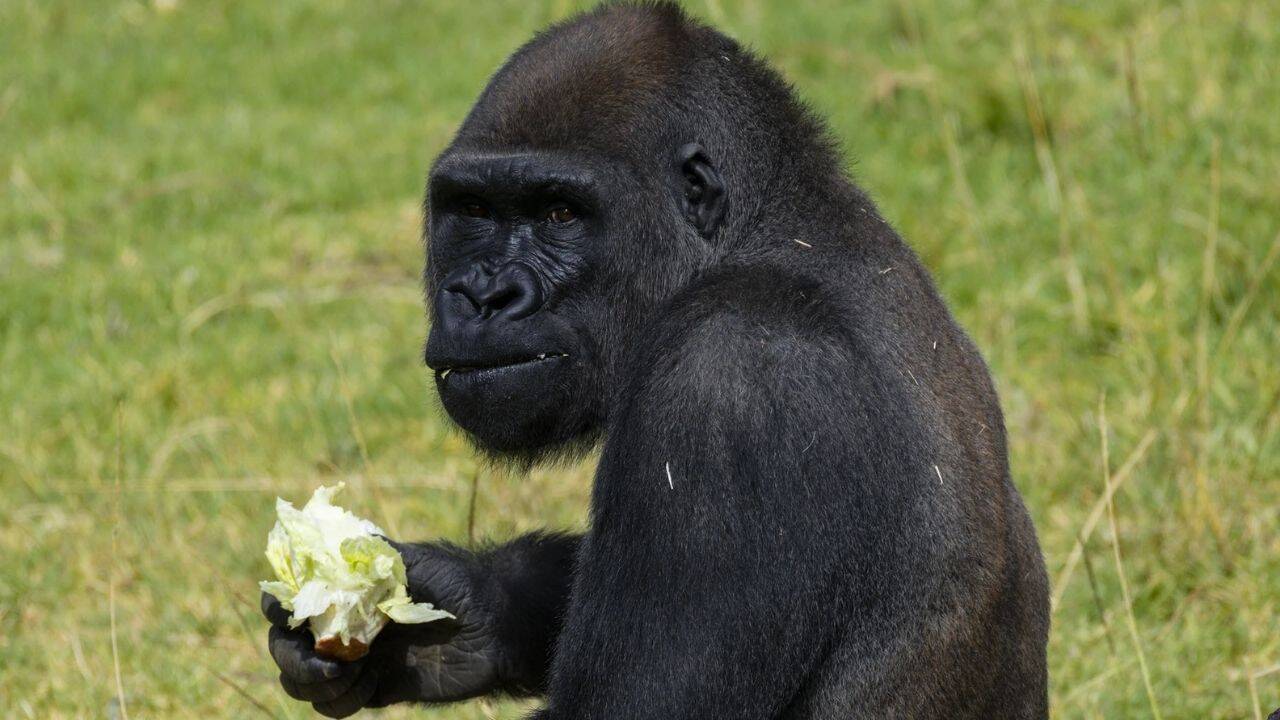
A 12‑year‑old western lowland gorilla named Mizani underwent a pioneering mastoidectomy after a severe bone infection was discovered behind his ear. Experts say this is the first reported skull surgery of its kind on a gorilla, and the animal is now recovering well.
Key Takeaways
- 12‑year‑old gorilla Mizani received the first ever mastoidectomy on a gorilla.
- The procedure marks an unprecedented milestone in wildlife medicine.
- Successful recovery offers new hope for the conservation of critically endangered great apes.
In March 2026, wildlife caretakers at San Diego Zoo Safari Park noticed that a 12‑year‑old western lowland gorilla, Mizani, was showing atypical behavior—reluctance to fully open his mouth, reduced appetite, and frequent head‑holding gestures. Concerned, veterinarians ordered a CT scan at the park’s Harter Veterinary Medical Center, which revealed both sinusitis and a serious infection of the mastoid bone behind his ear, known as mastoiditis.
Rare Disease in Great Apes
While mastoiditis is a known condition in humans, documented cases in great apes are exceedingly scarce. Researchers believe the infection may have originated before Mizani arrived at the Safari Park in November 2024, given the extent of bone involvement. Because the disease had infiltrated the skull, surgery was deemed the only viable option for a full recovery.
Multidisciplinary Team and Surgical Planning
The zoo assembled a cross‑disciplinary team that included veterinarians, wildlife specialists, registered veterinary technicians, and surgeons from UC San Diego Health. Leading the human‑medicine side were otolaryngologist‑head‑and‑neck surgeon Dr. Jeffrey Harris and resident fellow Dr. Kris Suresh, both experienced in complex skull‑base and ear surgeries. Although gorilla anatomy closely mirrors that of humans, subtle differences required the team to devise a bespoke surgical protocol after extensive analysis of the CT images.
The Five‑Hour Procedure
Surgeons made a precise incision along the left side of Mizani’s head to access the infected mastoid region. They drained the pus, excised the diseased bone and surrounding tissue, and meticulously closed the site. The operation lasted roughly five hours, involving more than 20 professionals from both institutions. Dr. Harris noted that while the team leaned heavily on human surgical techniques, every step had to be adapted for the gorilla’s unique cranial structure, adding a layer of complexity absent in any published case.
Implications for Wildlife Medicine
The successful outcome underscores the growing synergy between human medicine and wildlife health. Senior veterinarian Ryan Sadler described mastoid disease in gorillas as “exceptionally rare,” making this case a benchmark for future interventions. Mizani’s post‑operative recovery has been closely monitored, and he is now displaying normal feeding and social behaviors. For a species listed as critically endangered, advances such as this provide essential tools for veterinary care and, ultimately, species preservation.