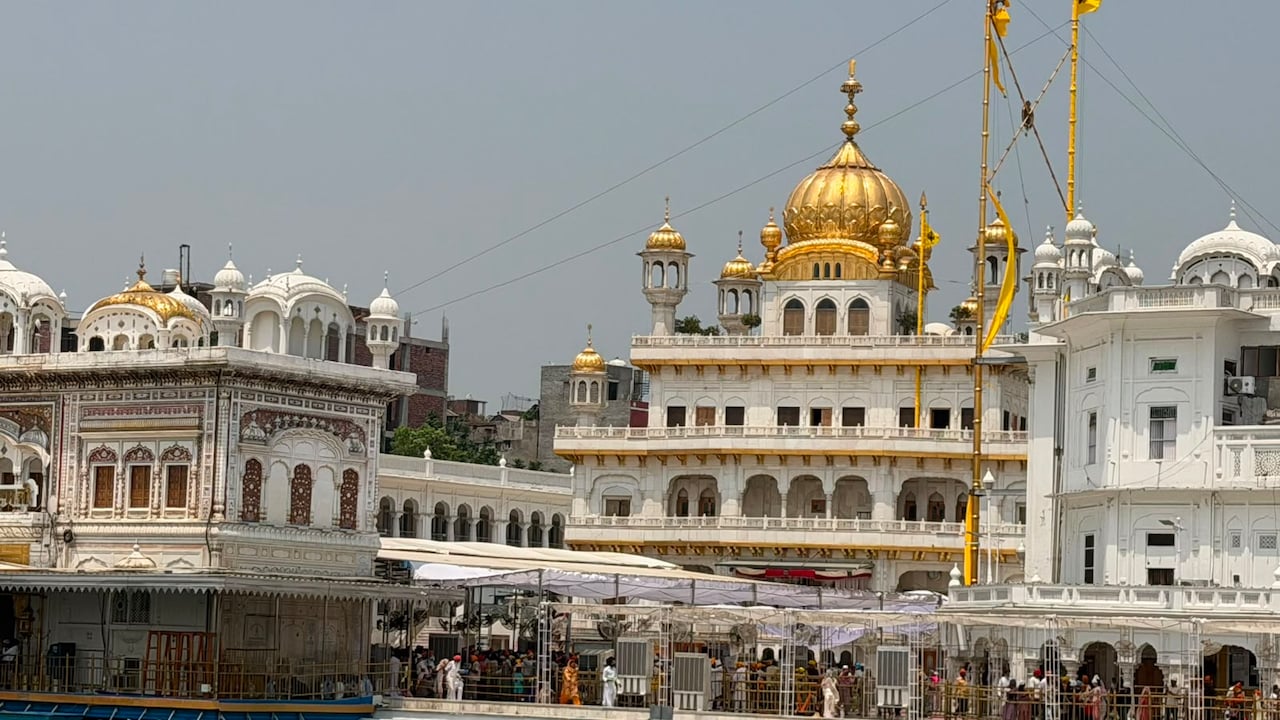
The head of Akal Takht directed the SGPC to set up a “Shaheedi Pattan Memorial” at Harike Pattan, aiming to permanently record those who perished during the 1982‑1995 Sikh militancy period. The move seeks to commemorate the 1984 tragedy and the subsequent decade of violence.
Key Takeaways
- Akal Takht has demanded a memorial to document Sikh martyrs from 1982‑1995.
- SGPC is instructed to establish the ‘Shaheedi Pattan Memorial’ at Harike Pattan.
- The initiative aims to give national recognition to the 1984 massacre and the ensuing decade of conflict.
Akal Takht, the highest temporal authority of Sikhism, recently issued a directive to the SGPC following a solemn Ardas at Harike Pattan. The directive calls for the creation of a “Shaheedi Pattan Memorial” that will catalog the lives lost during the 1982‑1995 period of militancy, ensuring that these untold stories become part of the public record.
Historical Context
The 1980s were marked by a surge in militancy in Punjab, culminating in the tragic events of 1984 when Sikh gurdwaras were attacked and thousands lost their lives. Subsequent years saw continued violence, leaving a fragmented and often undocumented legacy. Akal Takht has repeatedly spoken out against the suffering of the Sikh community, urging both remembrance and accountability.
Why Harike Pattan?
Harike Pattan, a historic riverbank site, has long served as a gathering point for Sikh commemorations. The location was already symbolic after the 1984 Ardas, where devotees prayed for the souls of the martyrs. By anchoring the memorial here, the community intends to transform a place of mourning into a beacon of education, reconciliation, and national unity.
SGPC’s Role and Anticipated Impact
The Shiromani Gurdwara Parbandhak Committee (SGPC) will now spearhead the design, funding, and maintenance of the memorial. It will also compile a definitive list of martyrs, complete with biographical details, to be made accessible to families, scholars, and the public. This systematic documentation promises to fill a critical gap in historical research and provide closure for grieving relatives.
Broader Implications
Beyond honoring the dead, the memorial is poised to influence policy discussions on post‑conflict reconstruction in Punjab. It signals a call for the Indian government to adopt more proactive measures in addressing the lingering socio‑political scars of the era. In the long run, a well‑curated archive may help policymakers design strategies that prevent a recurrence of such violence.