Bihar's government has introduced a doorstep land‑registration service for citizens aged 75 and above under the ‘Sabka Samman, Jeevan Aasan’ scheme. The move aims to eliminate broker‑driven exploitation and streamline property documentation.
Key Takeaways
- Doorstep registration service for seniors aged 75+
- Mobile units equipped with laptops, biometric scanners, and digital signature pads
- Potential reduction in illegal broker fees and increased state revenue
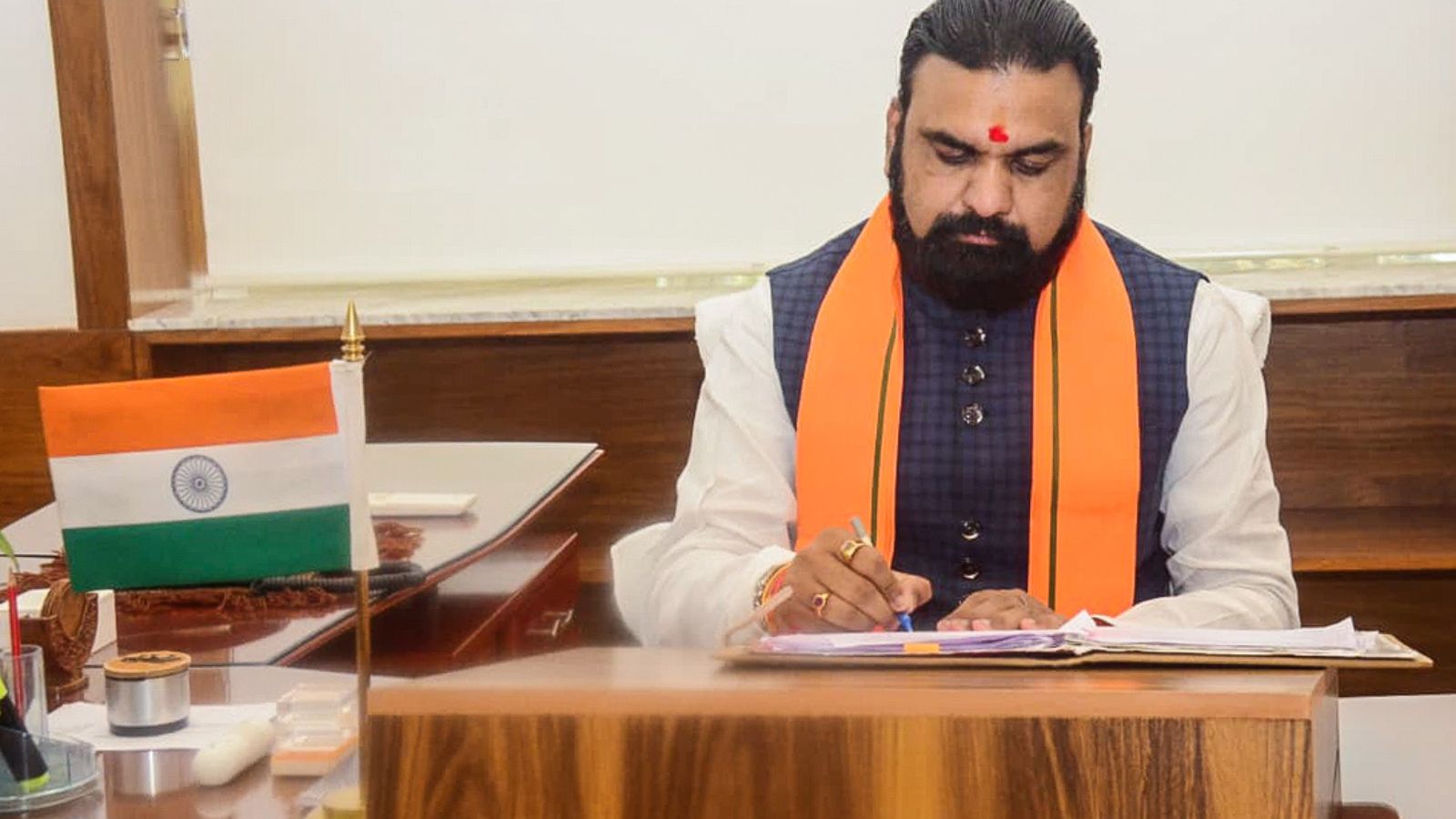
Chief Minister Samrat Choudhary inaugurated a doorstep property registration service on July 15, targeting senior citizens aged 75 years and older. Branded as ‘Sabka Samman, Jeevan Aasan’ (Respect for All, Easy Living), the scheme seeks to modernise Bihar’s land‑registry framework while easing the procedural burden on the elderly.
How the Service Works
Eligible seniors must first book a slot on the official e‑registration portal. After age verification, a Mobile Registration Unit—outfitted with internet‑enabled laptops, biometric scanners, webcams, and digital signature pads—is dispatched to the applicant’s residence. The unit validates documents, conducts secure biometric authentication, and instantly generates a digital deed, which is sent as a protected PDF via SMS. Currently operational in ten offices, including Patna and Hajipur, the service will be rolled out statewide in phases.
Eliminating Broker Exploitation
For two decades, middlemen have capitalised on Bihar’s paper‑heavy registration process, extracting hefty unofficial “facilitation fees,” delaying paperwork, and manipulating property valuations to evade stamp duties. The new e‑registration system removes the physical touchpoints where brokers traditionally exercised control, thereby curbing corruption and revenue leakage.
Technological Backbone and Fiscal Impact
Bihar now operates 137 fully digitalised Sub‑Registrar Offices across 38 districts, all integrated with the state’s land‑records database. Automated fee calculations, e‑challans, and e‑stamps eliminate room for fictitious “hidden administrative costs.” The Prohibition, Excise, and Registration Department has set an annual revenue target of ₹8,250 crore, anticipating that the technology‑driven model will boost collections and reduce leakages.
Future Outlook
Experts argue that the initiative not only simplifies property registration for seniors but also establishes a replicable template for other demographic groups and states. If successful, Bihar’s doorstep model could become a national benchmark for transparent, broker‑free land administration.