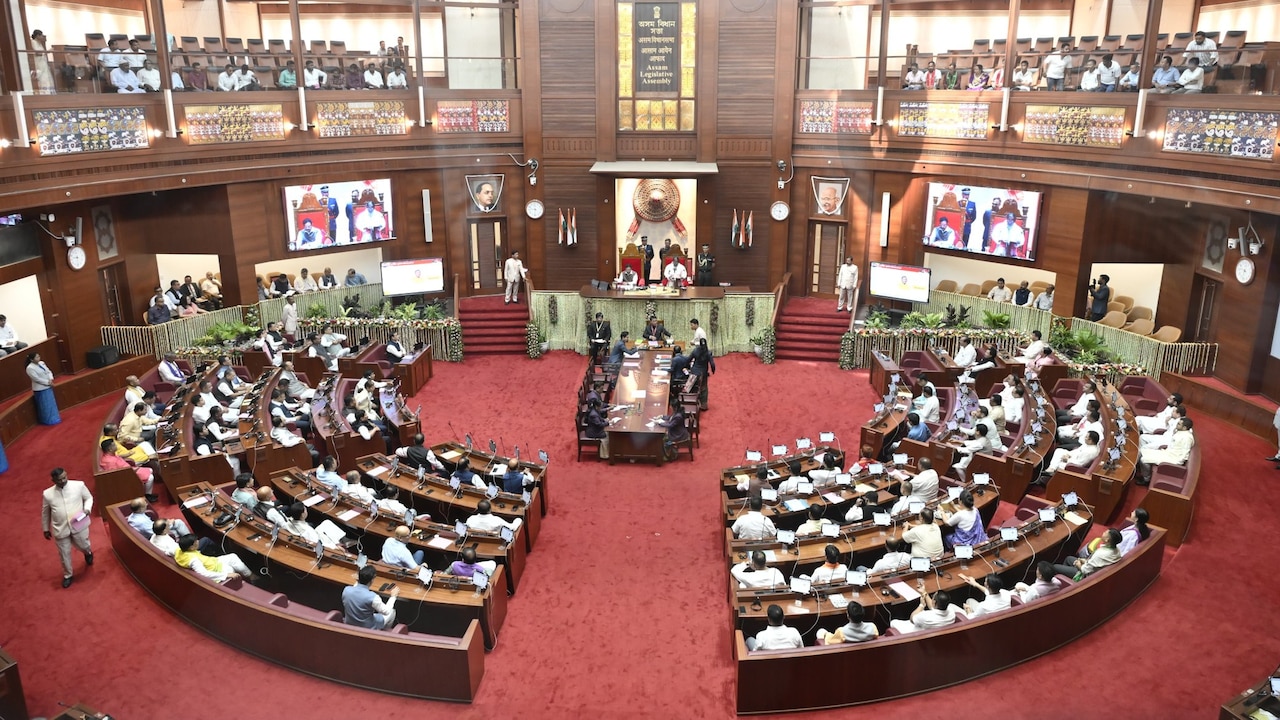
Opposition lawmakers in Assam staged a walkout after accusing the BJP of failing to deliver on its promise to grant Scheduled Tribe status to six communities. The move intensifies political pressure ahead of upcoming state elections.
Key Takeaways
- The BJP pledged to grant ST status to six communities before elections but has not delivered.
- Opposition leaders walked out of the Assam Assembly in protest.
- Granting ST status would provide education, employment and reservation benefits to the communities.
The leader of the opposition in the Assam Legislative Assembly announced today that the Bharatiya Janata Party repeatedly promised, prior to the polls, to confer Scheduled Tribe (ST) status on six specific communities, yet has not honoured that commitment after assuming power. The statement accompanied a formal motion to walk out of the assembly, triggering a sharp confrontation on the chamber floor.
Historical Context
Tribal identity has long been a pivotal factor in Assam’s socio‑political landscape. Over the past two decades, numerous ethnic groups have campaigned for ST recognition, seeking to address entrenched disparities in education, land rights, and public‑sector employment. While some groups have been classified as Other Backward Classes (OBC) in recent state reforms, the demand for full ST status remains unresolved, with constitutional reservations offering a pathway to greater socio‑economic upliftment.
Political Stakes
The BJP’s pre‑election pledge to grant ST status to the six communities was a strategic move aimed at consolidating votes in tribal‑dominant constituencies. However, once in power, the party’s rollout of the promised status has been sluggish, prompting the opposition alliance—led by the Congress and its regional partners—to voice mounting frustration. The walkout not only signals dissent within the legislative arena but also serves as a warning that unresolved tribal grievances could reshape voter sentiment in the forthcoming elections.
Potential Implications
Should the government continue to delay the ST designation, it risks alienating a significant voter bloc and may invite heightened scrutiny from civil‑society groups and the central government alike. Conversely, a swift approval could be framed as a decisive step toward social justice, potentially diffusing tensions and restoring political equilibrium in the state. Policy analysts note that the issue resonates beyond Assam, touching on the broader national debate over reservation policies and the balance between development and identity politics.
Looking Ahead
The opposition’s walkout underscores the growing urgency of tribal rights in Assam’s electoral calculus. Future developments will hinge on whether the state administration engages with the demand through legislative channels or opts for a more conciliatory approach. The outcome will likely influence not only the state’s political dynamics but also set a precedent for how reservation promises are managed across India.