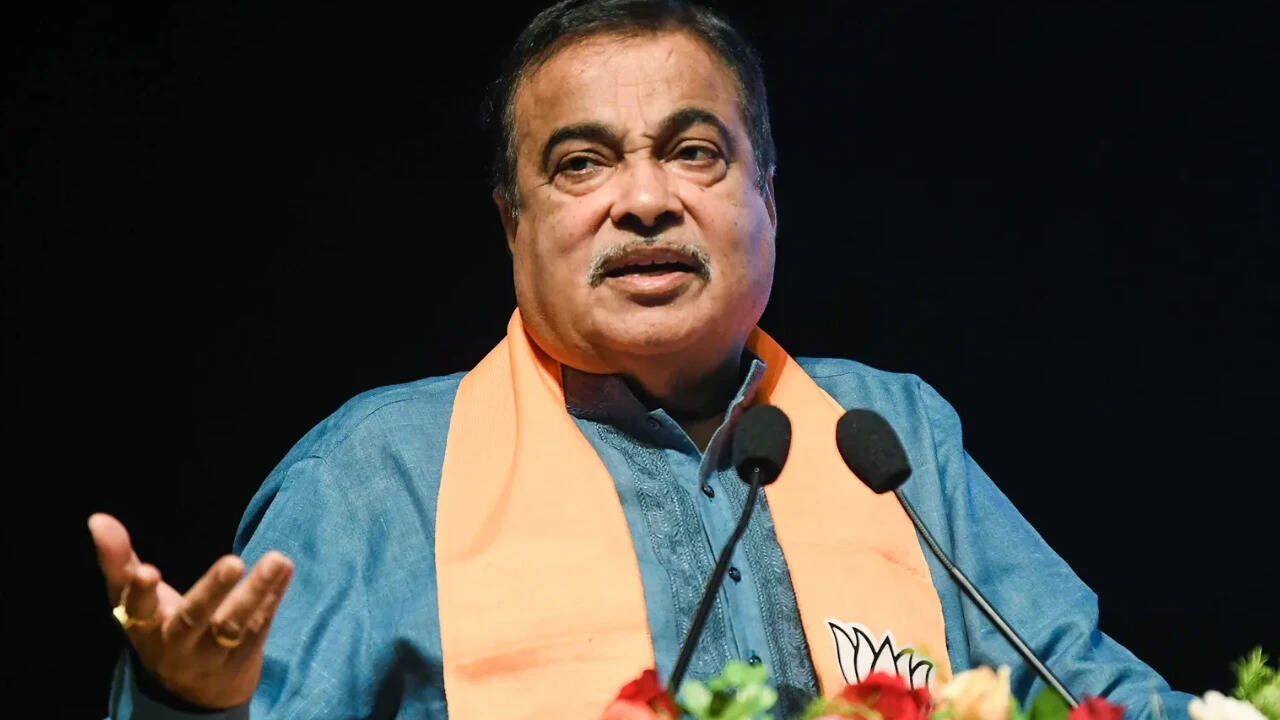
Road Transport and Highways Minister Nitin Gadkari has dismissed allegations of conflict of interest over the ethanol blending programme, labeling the attacks as politically motivated. He clarified that his sons' involvement is marginal and that the scheme dates back to earlier governments.
मुख्य बिंदु (Key Takeaways)
- Gadkari denies any personal profit from ethanol blending
- His sons' firm holds less than 0.5% of India's ethanol market
- Ethanol blending policy originated under Vajpayee and continued by UPA
New Delhi: Road Transport and Highways Minister Nitin Gadkari has categorically rejected accusations that he stands to benefit personally from India’s ethanol blending programme. He asserted that the initiative was launched during the Vajpayee administration and was later endorsed by the UPA government, underscoring its continuity rather than any recent political agenda.
Historical Context of the Ethanol Programme
The push for ethanol‑blended petrol began in the early 2000s as India sought to curb its oil import bill and reduce vehicular emissions. In 2005, then‑Petroleum Minister Mani Shankar Aiyar reiterated the policy in Parliament, setting a target of 10% blending that has gradually risen to the current 20% (E20). Gadkari, who took charge of the ministry in 2014, has expanded the scope to include ethanol derived from maize, rice straw, and even bamboo, aiming to create a diversified bio‑fuel ecosystem.
Scope of the Family Business
The controversy centers on the fact that Gadkari’s two sons run a sugar‑factory business that also processes a small amount of ethanol. Gadkari clarified that the venture accounts for **less than 0.5%** of the nation’s total ethanol output, while carrying a debt of roughly ₹1,600 crore. He emphasized that price setting and procurement decisions are made by the Cabinet, not by any private entity, thereby eliminating any direct influence.
Addressing Public Concerns and Misinformation
Critics have warned that the E20 fuel could damage engines and reduce mileage. Gadkari countered that all vehicles compliant with E10 standards are fully capable of using E20, a claim backed by major manufacturers such as Maruti Suzuki. He acknowledged a marginal mileage dip on high‑speed highway runs due to ethanol’s lower calorific value but dismissed any evidence of engine wear or failure.
Future of Alternative Fuels in India
Beyond ethanol, Gadkari is championing methanol, hydrogen, and electric vehicle adoption as part of a broader clean‑energy roadmap. He argues that diversifying fuel sources will not only improve air quality—vehicles contribute roughly 40% of Delhi’s pollution—but also reduce India’s dependence on crude oil imports.
In summary, Gadkari’s response seeks to separate political rhetoric from policy reality, reinforcing that the ethanol blending programme is a long‑standing, government‑driven effort rather than a personal profit scheme. As he put it, “If you don’t want E20, you can buy 100% petrol, but you will pay more.”