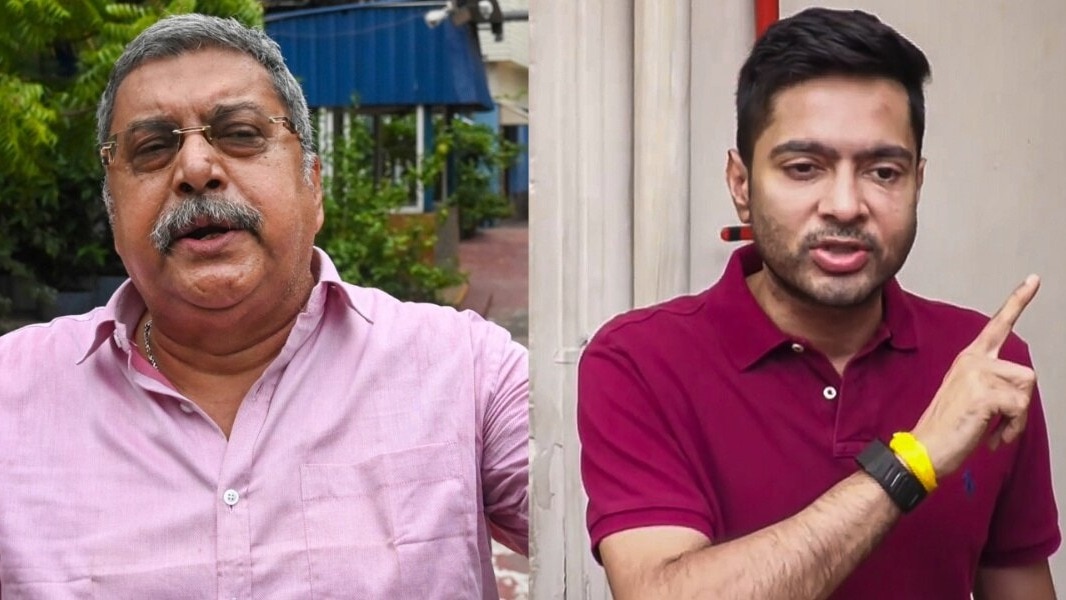
Senior TMC MP Kalyan Banerjee has pinpointed Abhishek Banerjee’s Camac Street hub and consultancy I‑PAC as the chief architects of the party’s downfall. He argues that this ecosystem hollowed out the organisation and played a decisive role in the 2026 West Bengal assembly defeat.
Key Takeaways
- Kalyan Banerjee blames Camac Street ecosystem for TMC’s collapse
- I‑PAC’s consultancy model eroded the party’s traditional structure
- Ritabrata Banerjee’s rebel camp now commands support of over 65 legislators
Senior Trinamool Congress (TMC) MP Kalyan Banerjee intensified his assault on party general secretary Abhishek Banerjee on Tuesday, alleging that the “Camac Street ecosystem” built around the younger Banerjee and the political consultancy I‑PAC has hollowed out the party and contributed directly to its loss in the 2026 West Bengal Assembly polls.
Background and Historical Context
Founded in 1998 by Mamata Banerjee, the TMC dominated West Bengal politics for more than two decades. In the early 2020s, Abhishek Banjee consolidated a strategic hub on Camac Street, hiring data‑driven consultancy I‑PAC to steer campaign decisions. While this modernised approach initially delivered electoral gains, the 2026 assembly elections saw the party suffer a historic setback, prompting internal blame‑games.
Criticism of I‑PAC
Kalyan Banerjee accused I‑PAC of usurping the party’s traditional cadre‑based decision‑making. He claimed the firm exerted disproportionate influence over candidate selection, sidelining veteran workers and fostering a patronage culture driven by consultants rather than grassroots commitment. “Politics cannot be run through surveys and analytics alone,” he warned, underscoring a broader debate about the limits of technocratic politics.
Internal Rebellion and Current Dynamics
The rebel faction led by former Rajya Sabha MP Ritabrata Banerjee now claims the backing of roughly 65 legislators, including 20 of the party’s 28 Lok Sabha MPs who have aligned with the BJP‑led NDA after merging with the Nationalist Citizens Party of India (NCPI). The split has escalated to the point where the two camps intend to hold separate Martyrs’ Day programmes on July 21, a first since the party’s inception.
Implications for the Future
If the TMC cannot reconcile these fissures, West Bengal’s political landscape could undergo a profound realignment, offering opposition parties a rare opening. Moreover, the episode serves as a cautionary tale for Indian parties that over‑reliance on external consultants may erode internal cohesion and voter trust, potentially reshaping the nation’s democratic fabric.