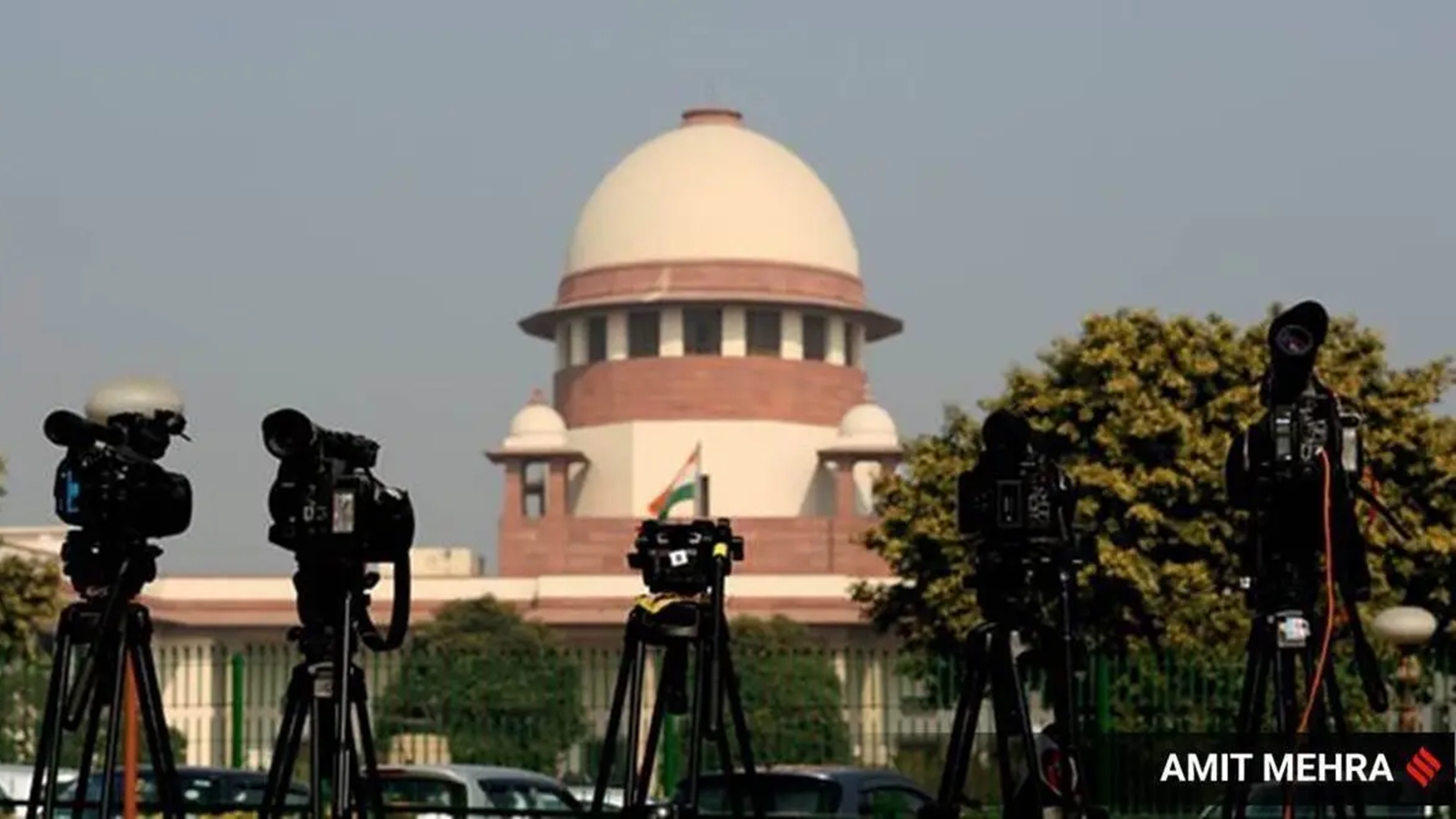
The Supreme Court clarified that bulldozers may be deployed only when municipal collusion with illegal encroachers threatens the rule of law, directing pending cases to high courts. This reinforces the 2024 judgment that demolitions without due process violate constitutional principles.
Key Takeaways
- Bulldozers can be used only when corruption between municipal bodies and illegal encroachers obstructs the rule of law.
- Petitions challenging the 2024 SC judgment will be routed to respective High Courts for factual inquiry.
- The bench emphasized fact‑based investigations to prevent misuse of "bulldozer justice".
New Delhi – On Thursday, a three‑judge bench of the Supreme Court reiterated that bulldozers should be employed solely when a "comfortable corruption" between municipal authorities and illegal encroachers undermines the rule of law. Chief Justice Surya Kant delivered the remarks while hearing petitions that alleged contempt for the Court’s November 13, 2024 decision, which declared demolitions based merely on accusation as unlawful.
Background: The 2024 Judgment
In November 2024, the Supreme Court set a landmark precedent: any demolition must be backed by a valid legal order, proper authorization, and an opportunity for the affected party to be heard. The ruling was aimed at curbing the growing practice of “bulldozer justice,” where governments used heavy machinery to raze homes of alleged offenders without due process. Since then, several states have faced litigation for allegedly bypassing the Court’s directives.
Current Bench’s Stance
Justices Joymalya Bagchi and V Mohana observed that the petitions before them raised “disputed questions of fact” that require a detailed inquiry at the High Court level. Additional Solicitor General Aishwarya Bhati echoed this, stressing that each case demands a factual investigation before any contempt finding can be entertained.
Implications for Enforcement
The bench’s remarks send a clear signal: the Supreme Court will not act as a fact‑finding body for every alleged violation of its 2024 order. Instead, it expects lower courts to conduct thorough examinations, ensuring that any demolition complies with procedural safeguards. Justice Bagchi warned that using bulldozers as a blanket tool risks “terrorising individuals” and erodes the presumption of innocence, a cornerstone of Indian jurisprudence.
Future Outlook
By delegating fact‑finding to High Courts, the apex court aims to preserve its jurisprudential authority while preventing the unchecked use of bulldozers for political or punitive ends. The decision reinforces that “bulldozer justice” is an exception, not a norm, and that any deviation must be justified by transparent, legally sound processes.