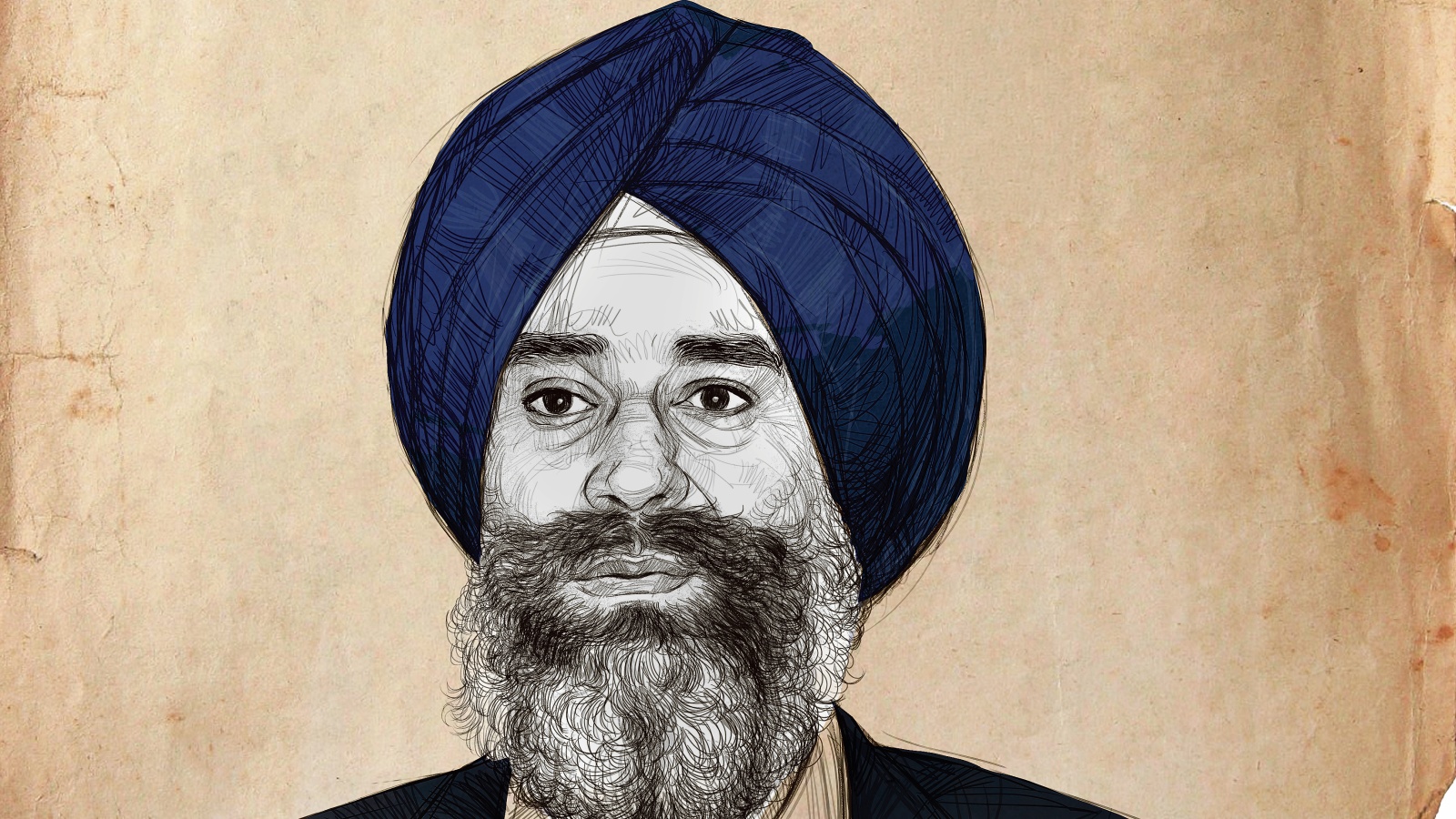
During the violent militancy of the 1990s, Jaswant Singh Khalra documented thousands of disappearances in Punjab, only to vanish himself in 1995. His meticulous records still drive court cases, while the recent OTT ban of his biopic reignites debate over remembering that dark era.
Key Takeaways
- Khalra compiled evidence on over 25,000 unclaimed deaths and disappearances during Punjab’s insurgency.
- His own abduction in September 1995 turned him into a martyr for human‑rights accountability.
- The OTT pull‑back of the film ‘Satluj’ has revived the clash between collective memory and enforced silence.
Jaswant Singh Khalra remains a pivotal figure in Punjab’s recent history. In an era when state forces and militants were locked in a deadly dance, he undertook the painstaking task of counting the missing – a move that forced the authorities to answer for their actions in courts and before the world.
Early Life and Ideological Roots
Born in 1952 in the border village of Khalra, Tarn Taran, his family was steeped in the freedom struggle: a grandfather linked to the Ghadar movement and a father who spent months in jail during the Quit India revolt. This legacy nudged him toward public service. After college, he revived the Naujawan Bharat Sabha, the Bhagat Singh‑founded youth organisation, and led student protests such as the “bus kiraya” agitation that eventually secured subsidised travel passes.
Documenting the Disappearances
By the early 1990s, Punjab was engulfed in militancy fueled by the Khalistan movement and a hard‑line state response. While official records concealed the scale of loss, Khalra independently collected names of those killed in alleged encounters or vanished without a trace. He estimated that more than 25,000 people remained unaccounted for, turning his notebooks into a de‑facto database for families and lawyers alike.
Abduction and Enduring Impact
On 6 September 1995, while washing his car outside his Amritsar home, Khalra was abducted by unknown agents and never seen again. Yet his compiled evidence continues to be cited in Punjab courts, compelling the police to defend their actions before the judiciary, media, and international observers. His daughter Navkiran Khalra, now an engineer in the United States, describes her father as a man who “haunted the system even after death.”
The ‘Satluj’ Controversy and the Memory Debate
In 2026, the OTT platform Zee5 pulled the biopic ‘Satluj’, which dramatized Khalra’s life and death. The removal sparked fresh arguments about how Punjab should commemorate the insurgency years. Some fear that revisiting the past will reopen old wounds, while others warn that collective silence is a greater threat to justice.
Today, Khalra’s legacy informs not only historians but also activists and policymakers striving for accountability. His data, courage, and unyielding commitment demonstrate that truth, however suppressed, eventually surfaces.