In his debut novel ‘The Keeper of the Wells’, author Zhayynn James intertwines his Anglo‑Indian lineage with the historic Seven Wells neighbourhood of North Madras. The book revives a forgotten East India Company water‑supply legacy and spotlights the community’s enduring cultural imprint.
Key Takeaways
- The Seven Wells water system was a pioneering East India Company project.
- Zhayynn James turned family lore into a novel that revives forgotten history.
- Anglo‑Indian heritage in Chennai gains renewed visibility through literature.
On a scorching July morning, I walked among rows of birds‑of‑paradise flanking the freshly‑renovated Victoria Public Hall, a striking example of Romanesque architecture. It is a rare moment when an author is interviewed at a venue that also appears in the opening pages of his debut novel.
Historical Roots: The Seven Wells and the East India Company
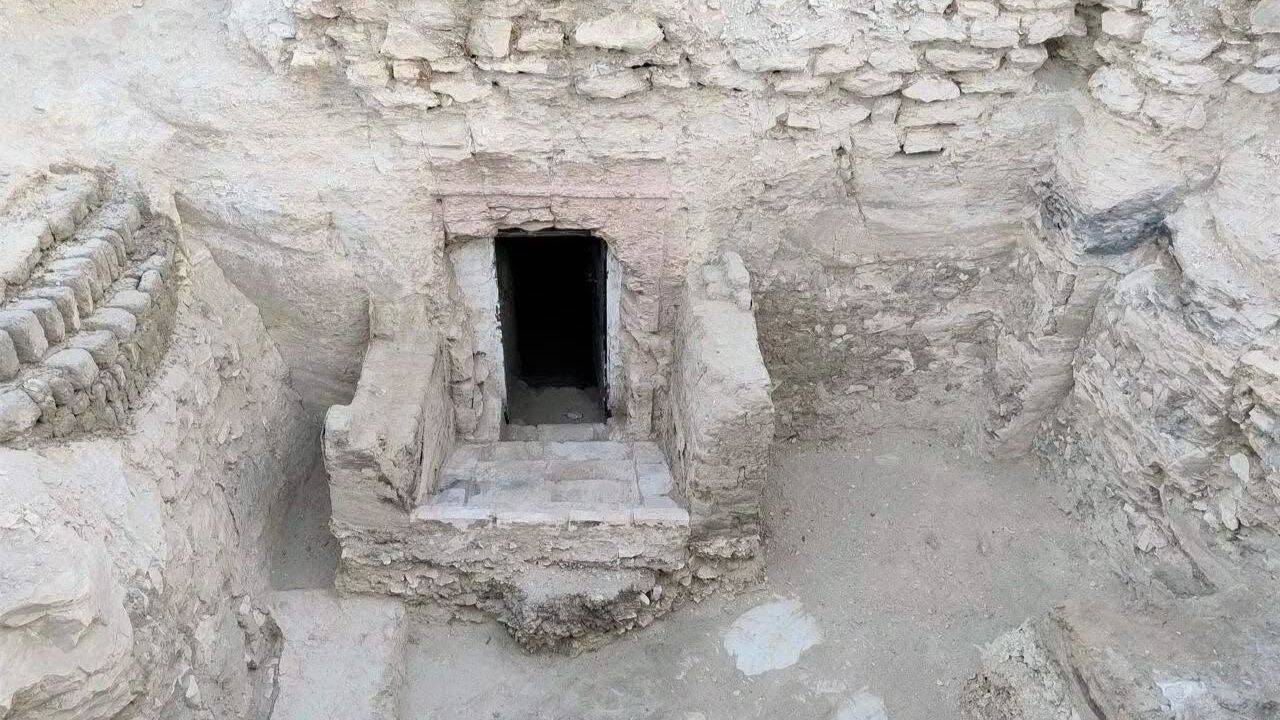
The Seven Wells, situated in North Madras, were excavated in the late 1700s to supply fresh water to Fort St George. This marked the first piped water supply in British India, overseen by an Irish officer of the East India Company, John Nicholas. In recognition of his role in safeguarding the city’s water during Hyder Ali’s campaigns, the Nicholas family received the title “Custodian of the Seven Wells,” a privilege that endured for 125 years.
Zhayynn James’s Personal Quest
Raised in Adambakkam on Chennai’s outskirts, Zhayynn James is a second‑generation landscape architect and award‑winning wildlife photographer. From childhood, he heard stories of an Irish ancestor who rescued Madras from Hyder Ali’s machinations. Determined to prevent this lineage from fading into a footnote, he set out to write a novel that would cement the family’s place in the city’s narrative.
The Novel’s Socio‑Cultural Impact
‘The Keeper of the Wells’, published by Notion Press, is a multi‑generational saga that begins in colonial Madras, journeys to Europe, and returns to a city still on the fringes of empire. At its launch, historian S. Sriram emphasized, “Books that blend fact and fiction spark curiosity and invite readers to explore deeper histories.” The event, hosted at Victoria Public Hall, featured panelists who highlighted the Anglo‑Indian contribution to Indian urban heritage.
Looking Ahead
Zhayynn’s work illustrates how personal memory can be woven into public history, preserving the cultural layers of a city otherwise at risk of erasure. The Seven Wells story, once a footnote, now stands as a testament to the Anglo‑Indian community’s enduring role in shaping Chennai’s urban fabric, promising further scholarly and popular interest.