From desert citadels to hilltop bastions, ancient forts embody engineering brilliance, strategic foresight, and cultural endurance. Sites such as Masada, Aleppo Citadel, Arg‑e‑Bam, Mycenae, Erebuni and Acrocorinth reveal how past societies turned geography into impregnable defense. Their stories continue to inspire scholars and travelers alike.
Throughout recorded history, fortresses have stood as symbols of power, protection, and human ingenuity. Built on hills, deserts and mountain passes, these massive structures fused natural terrain with sophisticated defensive architecture. Despite wars, earthquakes and the relentless march of time, a handful of these ancient strongholds remain remarkably intact, offering a tangible link to the civilizations that erected them.
Masada, Israel
Perched on an isolated plateau overlooking the Dead Sea, Masada became a royal palace‑fortress under King Herod the Great between 37‑31 BC. He surrounded the site with massive walls, watchtowers, bathhouses, storerooms and an advanced rain‑water collection system. In AD 73‑74, the Roman siege of Masada marked the final stand of Jewish rebels, turning the site into a legend of resistance. Today visitors can walk among well‑preserved palace ruins, Roman siege camps and intricate mosaics, making Masada one of Israel’s premier archaeological attractions.
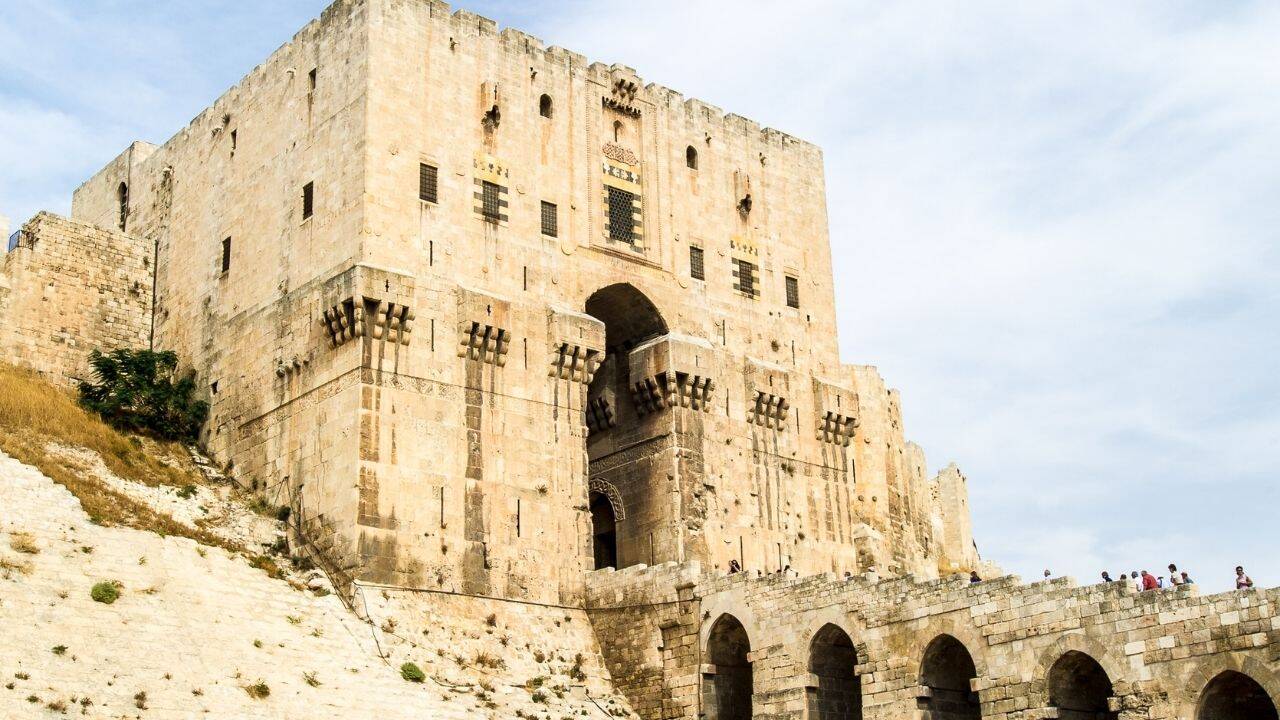
Citadel of Aleppo, Syria
Dominating the skyline of one of the world’s oldest continuously inhabited cities, Aleppo’s citadel has roots stretching back to the third millennium BCE. The present stone complex largely dates to the Ayyubid era (12th‑13th centuries), featuring a monumental stone bridge, massive defensive walls, towers, royal palace remnants, mosques, baths, barracks and underground tunnels. Though damaged during the recent Syrian conflict, ongoing restoration work keeps it among the Middle East’s most iconic military monuments.
Arg‑e‑Bam, Iran
Located in southeastern Iran, Arg‑e‑Bam is recognised as the world’s largest adobe fortress. Its origins lie in the Achaemenid period (6th‑4th centuries BCE), and the site flourished as a key Silk Road hub. Towering mud‑brick walls, dozens of watchtowers and a sprawling urban layout once housed markets, mosques, schools, barracks and the governor’s palace. The 2003 earthquake caused severe damage, yet meticulous international restoration has preserved its extraordinary desert architecture.
Mycenae Citadel, Greece
One of the Bronze Age’s most influential centres, Mycenae dates to the 14th‑13th centuries BCE. Set atop a rocky hill in the Peloponnese, its massive Cyclopean stone walls were so colossal that later Greeks believed giants built them. The citadel served as the political‑military heart of the Mycenaean civilisation and is linked to the legendary King Agamemnon. Modern visitors still pass through the iconic Lion Gate, explore royal tombs, palace ruins and underground cisterns that have survived over three millennia.
Erebuni Fortress, Armenia
Founded in 782 BCE by King Argishti I of Urartu, Erebuni is among the oldest surviving fortifications in the Caucasus and marks the origin of today’s Yerevan. Built on Arin Berd Hill, the fortress reinforced Urartian control over the Ararat Plain with massive stone foundations, mud‑brick walls, temples, royal halls, granaries and barracks. Archaeologists have uncovered cuneiform inscriptions, vivid wall paintings and ceremonial chambers that illuminate the sophistication of an ancient Near‑Eastern kingdom.
Acrocorinth, Greece
Rising nearly 600 metres above ancient Corinth, Acrocorinth is a natural fortress fortified since at least the 7th century BCE. Successive Greek, Roman, Byzantine, Frankish, Venetian and Ottoman rulers reinforced its cliffs and walls, creating a layered defensive system that spanned centuries. Today, visitors experience the dramatic combination of steep rock faces, summit walls and archaeological remains that testify to its strategic importance.
These forts are more than stone relics; they are living classrooms of engineering, geopolitics and cultural resilience. By studying their construction, we gain insight into how ancient societies mitigated threats, leveraged geography and forged identities that endure to this day.