Actress Sonali Bendre reveals her rigorous 18-20 hour fasting routine, prompting oncologists to warn about the nutritional risks for cancer survivors.
Key Takeaways
- Actress Sonali Bendre practices 18-20 hour intermittent fasting and consumes only 1.5 meals daily.
- Oncologists warn that extreme fasting may lead to muscle loss and nutrient deficiencies in cancer survivors.
- Personalized nutrition is crucial as recovery needs vary based on cancer type and treatment.
- Consulting an oncologist before adopting strict dietary regimes is mandatory for survivors.
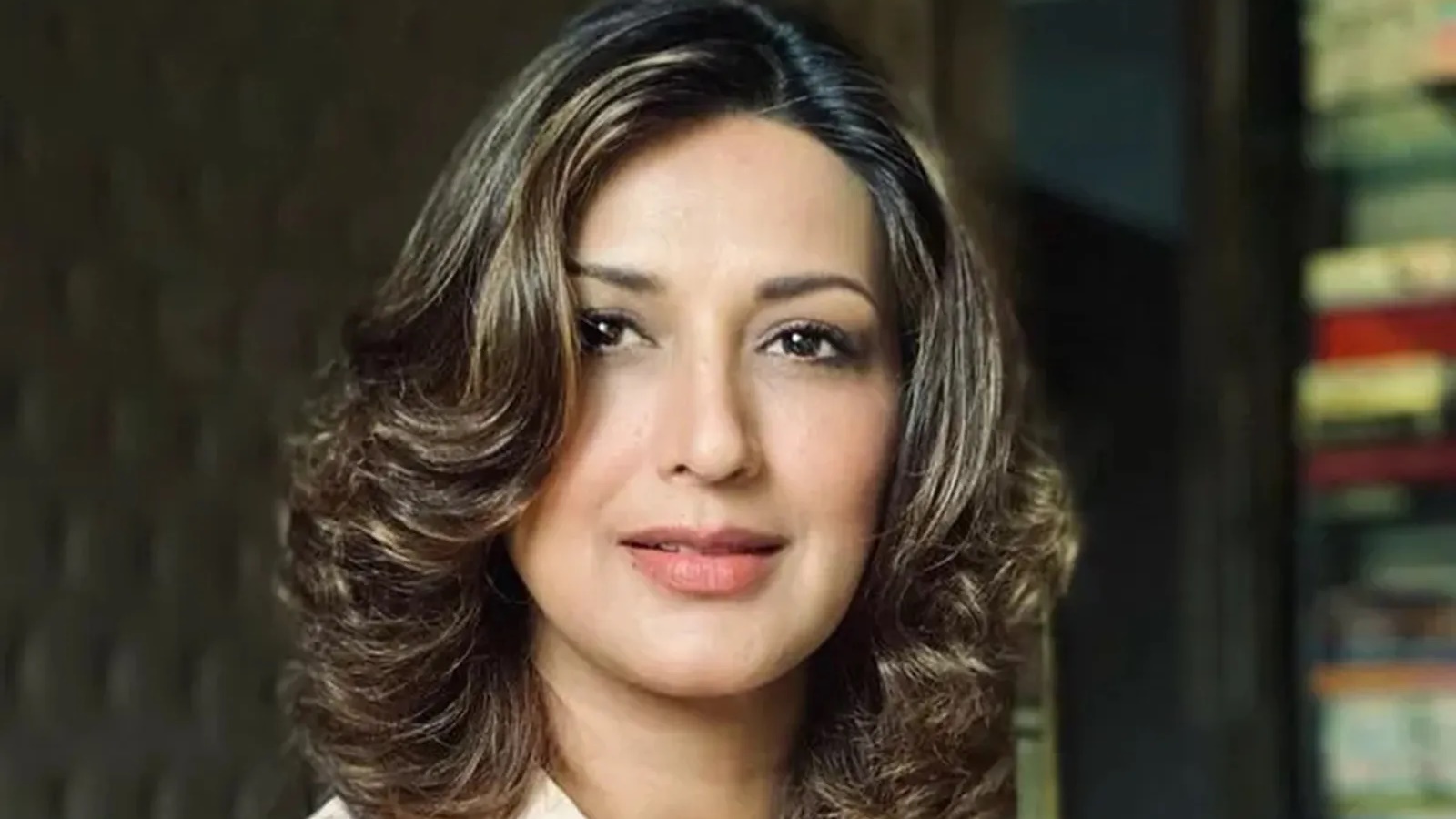
Renowned Bollywood actress Sonali Bendre, a courageous survivor of Stage IV metastatic cancer, has recently opened up about her strict dietary regimen. In a candid discussion, Bendre revealed that she supplements her fitness routine with intense intermittent fasting, often going 18 to 20 hours without food and consuming only one and a half meals per day.
The Medical Perspective: Risks vs. Benefits
While intermittent fasting has gained popularity for weight management and inflammation reduction among healthy individuals, medical experts urge caution when applied to cancer survivors. Dr. Jyoti Mehta, a consultant radiation oncologist at TGH Onco Life Cancer Center, emphasized that survivors must navigate dietary changes with extreme care to avoid compromising their recovery process.
Adding depth to this concern, Dr. Meghal Sanghavi, a consultant onco-surgeon at Wockhardt Hospitals, stated that there is no universal diet for cancer recovery. She highlighted that long fasting windows can inadvertently lead to insufficient calorie and protein intake, resulting in fatigue, muscle wasting, and a slowed recovery rate. For many, the physiological demand for nutrients to repair tissues and bolster the immune system outweighs the potential benefits of fasting.
Prioritizing Strength Over Starvation
The consensus among nutritionists is clear: the primary objective after cancer treatment should be rebuilding strength rather than achieving caloric restriction. Dt Amreen Sheikh, Chief Dietitian at KIMS Hospitals, noted that long fasting periods can be particularly detrimental for those who have already experienced weight loss or muscle depletion during chemotherapy and radiation.
Experts advise that if a survivor chooses to explore fasting, it must be done under the strict supervision of an oncologist and a registered dietitian. A balanced approach focusing on high-quality proteins, whole grains, and essential vitamins is far more critical for long-term survival and vitality than following popular dietary trends.