The U.S. Department of Homeland Security has issued a rule that limits F‑1 visas to a maximum of four years and halves the grace period to 30 days. It also bars students from changing programs, majors or academic levels during the first year, tightening academic flexibility.
Key Takeaways
- F‑1 visa validity now capped at four years
- Grace period reduced from 60 to 30 days
- Restrictions on program, major, or level changes for students
The Department of Homeland Security (DHS) finalised a sweeping regulatory overhaul that will cap the stay of most international students on F‑1 visas at a fixed four‑year period. This shift not only raises the cost of higher education in the United States but also injects considerable uncertainty into the lives of thousands of scholars.
What the New Rule Entails
Under the new framework, the majority of F‑1 visa holders will be admitted for a maximum of four years, while those enrolled in English‑language training programs receive an aggregate stay of 24 months. The grace period, previously 60 days, has been halved to 30 days, giving students less time to either depart the country or apply for extensions after completing their studies.
Academic Flexibility Curtailed
Undergraduate students will be prohibited from changing their study programme, major, or education level during the first year, except in rare, documented cases. Graduate students face even stricter limits: they cannot alter their programme or field of study at all, and once a degree level is completed, they cannot enroll in another programme at the same or a lower level while remaining on an F‑1 visa.
Impact on Indian Students
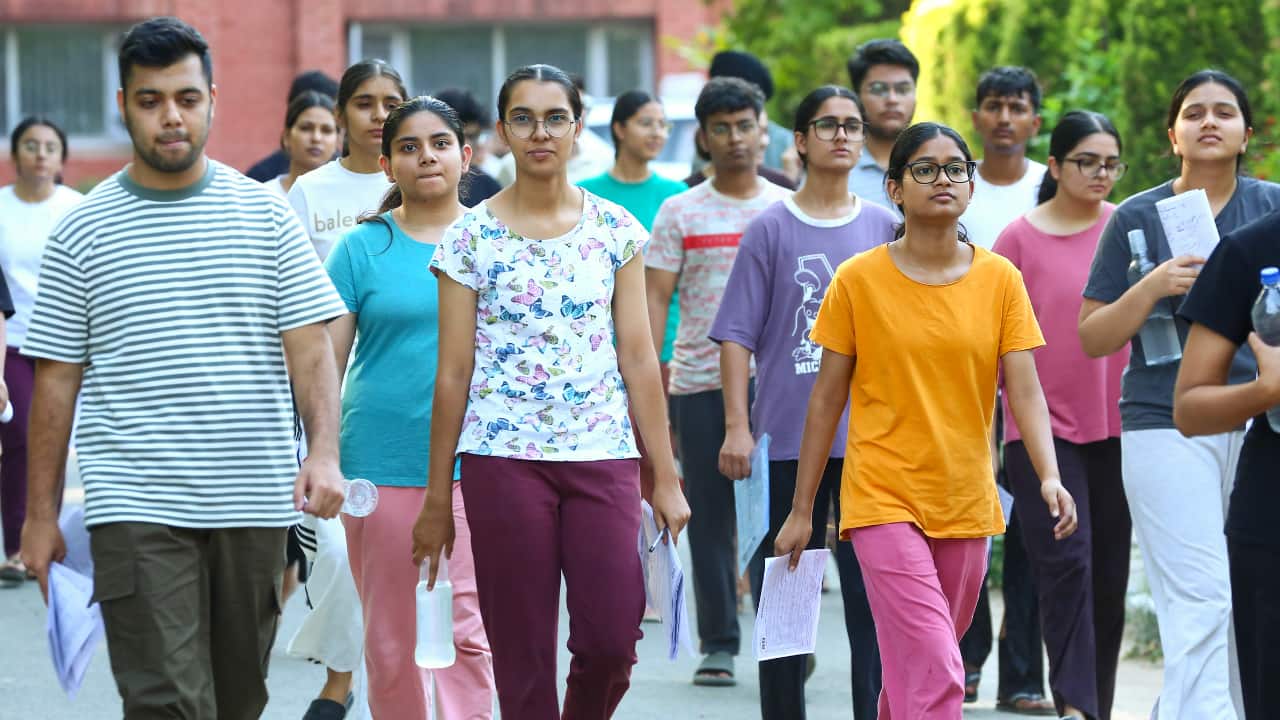
India remains the leading source of international students in the United States, with roughly 360,000 Indian scholars representing about 31 % of the 1.1 million total foreign students in the 2024‑25 academic year. The new rule forces these students to seek periodic visa extensions, incurring additional processing fees, biometric requirements, and potential delays that could span several months.
Legal and Practical Concerns
Failure to secure timely extensions may trigger unlawful presence accrual, exposing students to three‑ or ten‑year re‑entry bans. Immigration attorneys warn that the elimination of the “duration of status” concept could lead to unintended consequences, including inadvertent status violations and severe penalties.
Critics argue that the policy misunderstands the nature of graduate education, where students often pivot to new fields or discover fresh interests. By treating legitimate academic changes as fraud, the rule risks stifling intellectual mobility and undermining the United States’ appeal as a destination for advanced study.