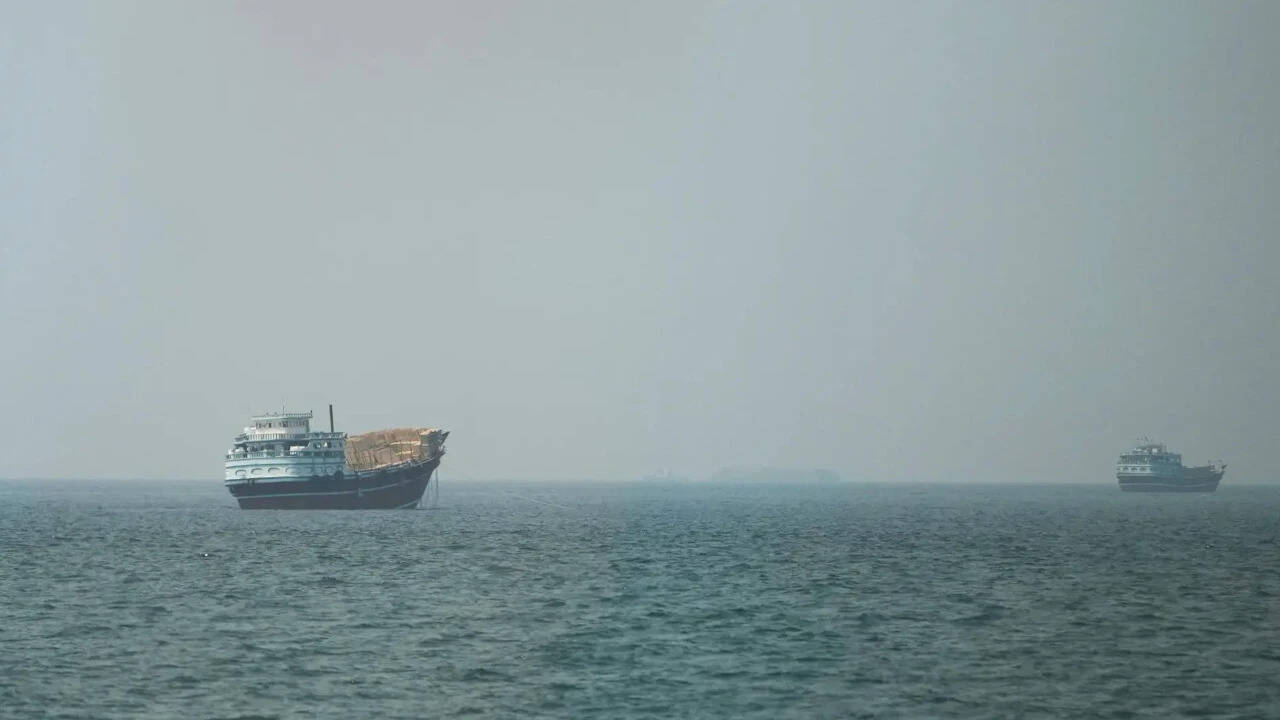
India's maritime regulator has ordered ship owners, managers and recruitment agencies to stop placing Indian seafarers on vessels transiting the Strait of Hormuz. The directive follows a series of recent attacks on merchant ships in West Asia, including two incidents that involved thirty Indian crew members.
मुख्य बिंदु (Key Takeaways)
- DG Shipping bans deployment of Indian seafarers through the Strait of Hormuz.
- Recent attacks in West Asia have heightened maritime security risks.
- Mandate for vessel‑by‑vessel operational dashboards to monitor movements.
The Directorate General of Shipping (DG Shipping), India's maritime authority, issued an advisory on July 17 urging all shipowners, ship managers and recruitment‑placement service (RPS) agencies to refrain from assigning Indian seafarers to vessels navigating the Strait of Hormuz until further notice.
Background Context
In the past week, five foreign‑flagged merchant vessels operating in the Gulf region were targeted in separate attacks. Two of those vessels, both commercial carriers, were carrying a total of thirty Indian crew members when they were struck. The incidents underscored a volatile security environment, especially after some ships attempted to circumvent the U.S.‑imposed blockade.
Regulator’s Rationale
DG Shipping explained, “Given the heightened security situation in the Gulf region, including incidents that have resulted in casualties among Indian seafarers and ongoing attacks on merchant vessels, the Directorate deems it essential to adopt enhanced precautionary measures to protect the interests of Indian seafarers serving on ships operating in the area.” The directive emphasizes safety, risk mitigation, and the need for heightened vigilance.
Earlier Precautions
A month ago, the directorate had already urged fleet owners and recruitment firms to limit deployments to the Hormuz corridor after previous assaults on commercial ships trying to bypass sanctions. On Tuesday, Shipping Minister Sarbananda Sonowal instructed DG Shipping to develop a vessel‑by‑vessel operational dashboard, ensuring that every ship’s status is tracked in real time.
Implications for the Maritime Sector
The order is likely to reverberate across India’s maritime workforce. Prolonged restrictions could affect employment opportunities for Indian seafarers, alter contract negotiations with global shipping lines, and push the industry to reassess routing strategies. Moreover, the move may set a precedent for other national regulators to impose similar safeguards amid escalating geopolitical tensions.