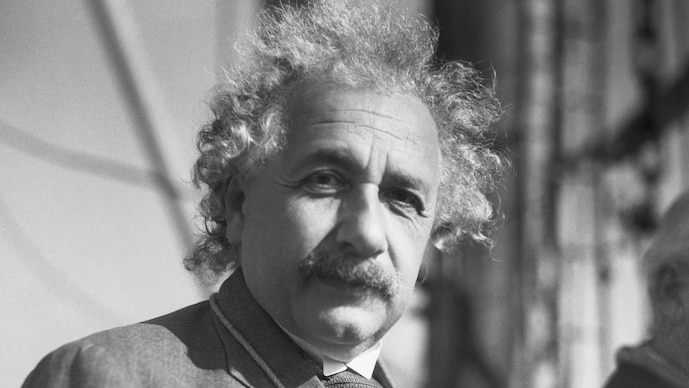
Renowned physicist Albert Einstein once warned that the greatest threat to humanity is not the perpetrators of evil, but those who stand by and watch. Explore the profound philosophy behind his words.
Key Takeaways
- Einstein argues that tolerating evil is more dangerous than committing it.
- Silence and neutrality can inadvertently empower injustice.
- Einstein emphasized that scientific progress must be guided by ethical responsibility.
The profound wisdom of Albert Einstein continues to resonate across generations, offering a stark warning about the moral fabric of society. He famously remarked, "The world is in greater peril from those who tolerate or encourage evil than from those who actually commit it." This statement serves as a powerful critique of passivity and a call to active conscience.
The Anatomy of Moral Failure
Einstein’s philosophy delves into the mechanics of how injustice thrives. He suggests that evil does not operate in a vacuum; it requires a permissive environment to flourish. When well-meaning individuals choose silence to avoid conflict or maintain their comfort, they effectively provide a shield for those committing harm. This bystander effect on a societal scale allows corruption and oppression to become normalized, making them much harder to uproot.
Einstein: A Scientist with a Soul
While the world celebrates Albert Einstein for his revolutionary Theory of Relativity and his 1921 Nobel Prize in Physics, his legacy is equally rooted in his humanitarianism. Born in Ulm, Germany, Einstein was more than a mathematician; he was a profound social thinker. He was deeply concerned with the misuse of scientific discoveries, the horrors of war, and the necessity of global peace. He believed that intelligence without ethics was a recipe for catastrophe.
The Call to Action
Ultimately, Einstein’s words are an exhortation to courage. He posits that a healthy society depends on the active participation of its citizens. Progress is not merely a product of technological advancement or political leadership, but of the individual's commitment to standing up for truth and dignity. In an era of increasing polarization, his reminder that awareness and empathy are our strongest defenses remains more vital than ever.