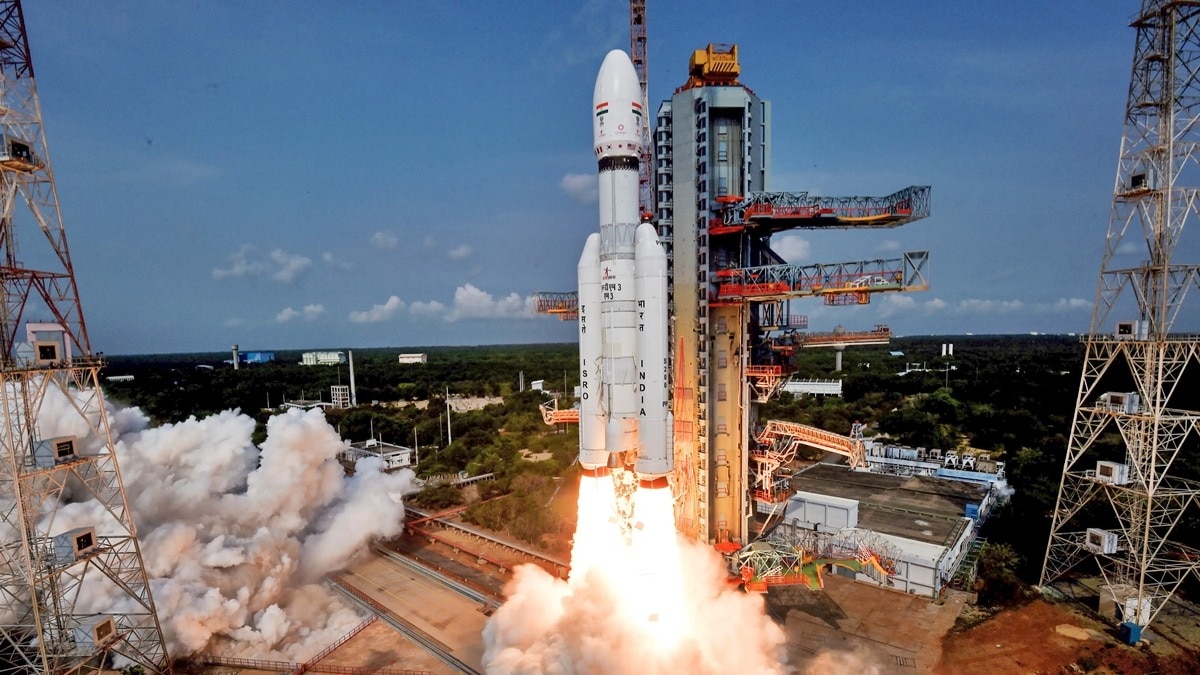
Private launch firm Skyroot Aerospace announced that its orbital‑class rocket Vikram-1 will attempt lift‑off on July 18 from the first launch pad at Satish Dhawan Space Centre. The seven‑story vehicle is designed to carry up to 350 kg of small satellites into a 450 km, 60° inclined orbit.
Key Takeaways
- Vikram-1 completes pre‑flight testing; launch slated for July 18
- All stages integrated with in‑house 3D‑printed engines and solid‑fuel boosters
- Final telemetry, radar and ground‑station checks finished
Marking a watershed moment for India’s commercial space sector, Skyroot Aerospace is poised to launch its first privately‑developed orbital‑class rocket Vikram-1 on July 18, 2026 from the inaugural launch pad at the Satish Dhawan Space Centre, Sriharikota. CEO and co‑founder Pawan Kumar Chandana announced that the mission will generate valuable flight data, laying the groundwork for a regular launch cadence.
Technical Profile of Vikram-1
Vikram-1 is a seven‑storey, multi‑stage launch vehicle built around an all‑carbon‑composite airframe. It houses domestically‑developed propulsion, featuring 3‑D‑printed engines and high‑thrust solid‑fuel boosters. The rocket is engineered to deliver payloads up to 350 kg into Low Earth Orbit (LEO), targeting a 450 km circular orbit with a 60° inclination on its maiden flight.
Readiness and Integration
According to Skyroot, every stage of Vikram-1 has been successfully integrated and stacked on the pad. Final integrated checks were performed from the company’s launch control centre, including interface verification with telemetry ground stations and tracking radars. The effort reflects the contribution of roughly 1,000 staff, over 400 suppliers, and nearly 3,000 person‑days of engineering work.
Commercial Payloads and Mission Objectives
The flight will carry technology‑demonstration payloads from Grahaa Space, Cosmoserve, DCubed, and Skyroot’s own SCOPE, alongside Cosmos Diamonds’ artwork “Cosmic Bloom” and a micro‑art piece. Chandana emphasized, “The small‑satellite market is supply‑constrained, yet demand for space‑based services continues to surge. Vikram‑1’s clearance is a defining milestone for India’s space journey, opening the final frontier to all.”
Future Outlook
Co‑founder and COO Naga Bharath Daka highlighted that the launch embodies the dedication of a thousand‑strong workforce and a robust supply chain. He added, “Data from this flight will feed back into our factories, enabling iterative improvements and moving us toward a reliable, on‑demand launch capability for global customers from Indian soil.” This test flight therefore serves as a launchpad—both literally and figuratively—for India’s ambition to become a hub for private orbital services.