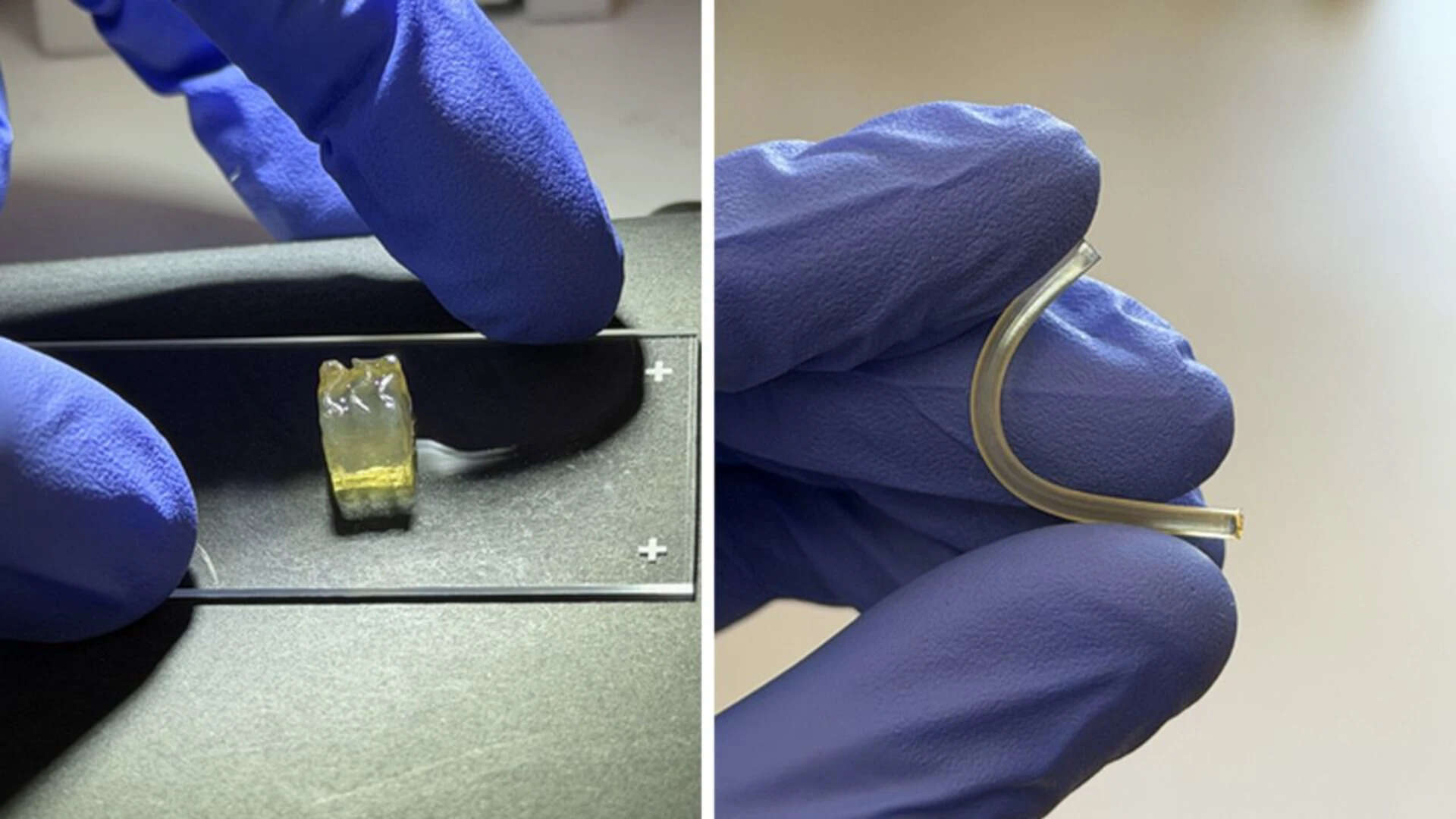
In a historic breakthrough, Auxilium Biotechnologies and the Wake Forest Institute successfully cultivated liver and kidney tissues in microgravity. The achievement opens new avenues for organ repair and replacement therapies.
Key Takeaways
- First successful creation of liver and kidney tissues in space
- Advanced bioprinting leveraged microgravity for optimal cell distribution
- Potential to revolutionize organ regeneration and transplantation
Producing functional liver and kidney tissue aboard a spacecraft marks a pivotal moment where biotechnology meets the unique conditions of outer space. The joint mission by Auxilium Biotechnologies and the Wake Forest Institute harnessed micro‑gravity to overcome challenges that have long hampered tissue engineering on Earth.
Background and Significance
The liver and kidneys are essential for detoxification, metabolism, and fluid balance, yet organ shortages and immune‑mediated rejection remain critical hurdles. Traditional biomanufacturing on Earth often suffers from uneven cell loading and limited nutrient diffusion, leading to sub‑optimal tissue maturation. By moving the process off‑planet, researchers discovered that weightless conditions enable a more uniform cell spread and sustained growth, dramatically improving tissue viability.
Bioprinting Technology in Microgravity
The team employed a cutting‑edge 3‑D bioprinter adapted for spaceflight, depositing bio‑inks layer by layer while the lack of gravity prevented cells from settling prematurely. This allowed each cell to maintain its intended position, receive adequate oxygen, and interact with neighboring cells in a three‑dimensional matrix—key factors for functional organogenesis.
Implications for Future Medicine
Beyond the novelty of space‑based tissue culture, the breakthrough carries profound clinical implications. In the long term, astronauts could receive on‑demand organ patches during deep‑space missions, reducing reliance on Earth‑based medical supplies. On Earth, the same technology promises scalable production of patient‑specific organoids, potentially shrinking transplant waiting lists and lowering the incidence of graft rejection.
Experts also anticipate that the microgravity platform will serve as a test‑bed for more complex organ constructs, such as hearts or lungs, where vascularization and mechanical stress present additional challenges. Success in these arenas could usher in an era where organ replacement is no longer constrained by donor availability.
Overall, this milestone underscores the power of interdisciplinary collaboration—melding space science, bioengineering, and clinical research—to accelerate breakthroughs that could reshape healthcare worldwide.