New research reveals that artificial white streetlights are inducing land isopods into synchronized circular patterns that lead to exhaustion or predation.
Key Takeaways
- White streetlights attract isopods (pill bugs) into massive, synchronized circular formations.
- Observed in Israel's Golan Heights, these 'death spirals' continue until the animals die of exhaustion or are eaten.
- Artificial Light at Night (ALAN) is significantly disrupting natural survival instincts and local ecosystems.
A groundbreaking study has unveiled a disturbing phenomenon where modern urban infrastructure is inadvertently acting as a biological trap. Researchers have documented land isopods—small, crustacean-like creatures commonly known as pill bugs—forming massive, synchronized circular formations around white streetlights. This behavior, characterized by continuous movement in tight loops, has been dubbed a 'death spiral' due to its lethal consequences.
The Mechanism of the 'Death Spiral'
The phenomenon was meticulously observed in the Golan Heights of Israel. The study indicates that the specific wavelength of white light emitted by modern streetlights acts as a powerful attractant for these isopods. Once drawn into the light's radius, the creatures enter a state of synchronized movement, marching in dense, circular patterns. This movement is not a purposeful social behavior but a disorientation caused by the artificial stimulus. The cycle only breaks when the organisms succumb to extreme physical exhaustion or are picked off by predators drawn to the same light source.
Ecological Implications of Light Pollution
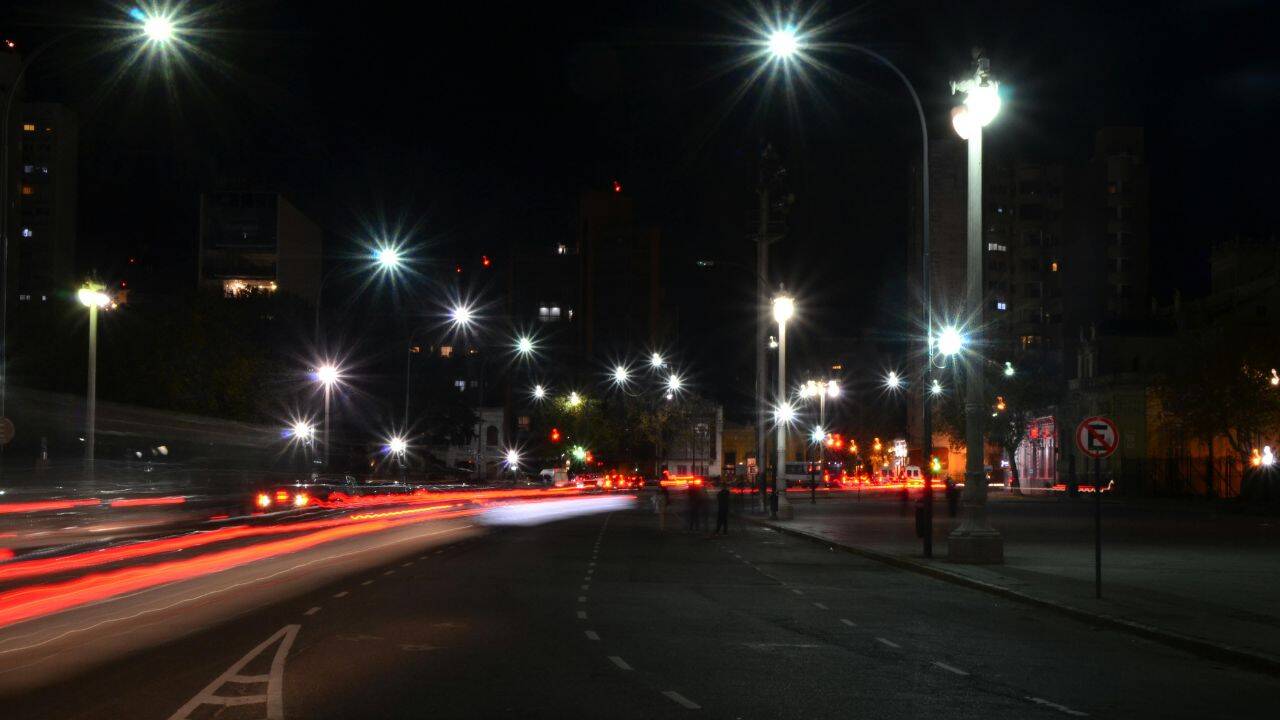
This discovery sheds new light on the devastating impact of Artificial Light at Night (ALAN). Beyond mere visibility, light pollution alters the fundamental biological rhythms of nocturnal and crepuscular species. When small organisms like isopods—which play a crucial role in soil health and decomposition—are diverted from their natural survival strategies, the entire ecosystem faces a potential ripple effect. The disruption of these micro-fauna can lead to imbalances in nutrient cycling and food webs.
A Call for Smarter Urban Design
As cities continue to expand and implement brighter, more efficient LED lighting, the scientific community is calling for a reassessment of urban lighting standards. The research suggests that the spectral composition of light is a critical factor. Moving toward warmer color temperatures or shielded lighting could mitigate these fatal attractions, ensuring that human safety does not come at the cost of biodiversity and the natural order.