Nainital municipal authorities have introduced a ₹100 entry levy on all incoming bikes and scooters, prompting strong protests from residents and tourists. While the move is framed as a revenue‑raising measure, it raises concerns about its impact on local livelihoods and the city’s tourism appeal.
Key Takeaways
- Nainital levies a ₹100 entry tax on all two‑wheelers
- Local residents and visitors are staging protests
- Exemption applies only to locally registered UK‑04 two‑wheelers
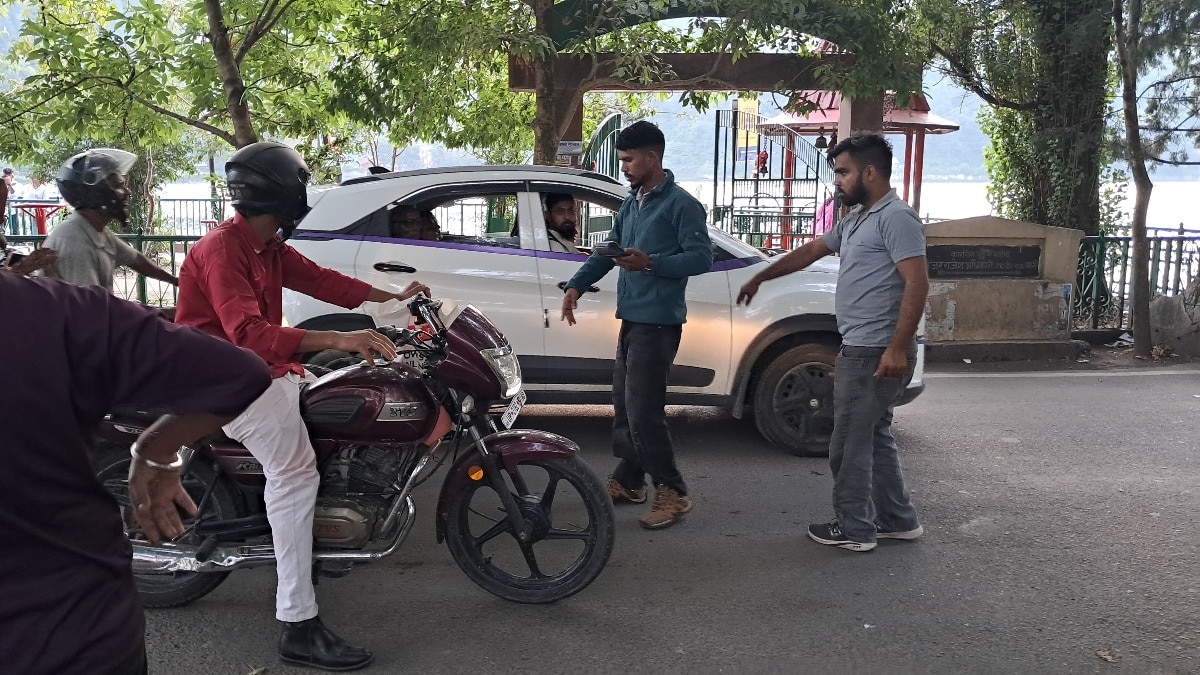
Effective from midnight on 17 July 2026, the Nainital Municipal Corporation began collecting a ₹100 entry fee from every bike and scooter entering the hill‑station through its main checkpoints – Tallital Lake Bridge, Barapathar and Phansi Gadhera. The same order also mandates a ₹200 charge for locally owned four‑wheelers and a ₹300 levy for out‑of‑state cars and larger vehicles.
Background and Fiscal Pressure
Known as the tourism capital of Uttarakhand, Nainital has previously relied on parking fees and a “green tax” to fund civic services. Recent financial statements indicate a structural deficit for the 2024‑2027 period, prompting the council to seek additional income streams. Consequently, a ₹24.55 crore contract was awarded to MG Infra, a Ghaziabad‑based firm, to manage the tax collection. Critics point out that the award was made on 16 July, bypassing the required board meeting scheduled for 18 July, fueling accusations of procedural irregularities.
Local Backlash
Citizens have taken to social media with remarks such as, “Will we have to pay tax for breathing?” Residents argue that the levy unfairly targets daily commuters who own bikes purchased elsewhere but use them to travel to their hometown. Municipal councilor Jitendra Pandey led an on‑ground protest demanding a written guarantee from Chairperson Saraswati Khetwal that no contract will be finalised without board approval.
Potential Impact on Tourism
Tourism experts warn that incremental charges can raise overall travel costs, deterring domestic and international visitors. Comparable policies in other Indian hill stations, like Shimla and Manali, have correlated with a dip in visitor numbers and a slowdown in hospitality revenues. If the same pattern unfolds in Nainital, local hotels, eateries, and ancillary businesses could face a revenue crunch.
Way Forward
Multiple citizen groups are preparing legal challenges, while some council members propose alternative revenue mechanisms – such as revisiting environmental levies or forging public‑private partnerships with local entrepreneurs. A balanced approach that safeguards resident interests, preserves Nainital’s brand as an accessible tourist destination, and addresses fiscal needs appears essential for sustainable growth.