Ahead of the monsoon session beginning July 20, the Congress party has mapped a comprehensive plan to corner the Modi government. By foregrounding ethanol blending, alleged temple‑donation theft and NEET paper leak, it vows to fiercely oppose constitutional amendment bills.
Key Takeaways
- Congress places ethanol blending, Ram Temple donation theft, and NEET paper leak at the centre of its monsoon agenda.
- It will aggressively oppose the ‘dissolution’ and minister‑removal constitutional amendment bills.
- The session runs from July 20 to August 13, promising intense government‑opposition clashes.
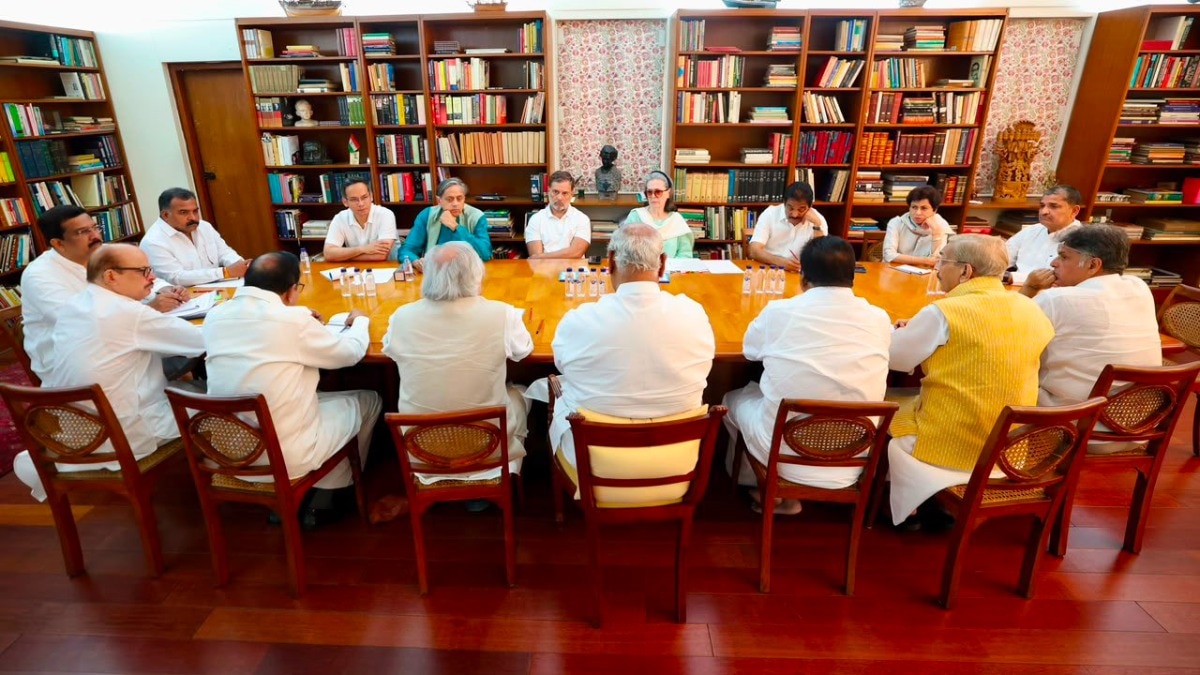
New Delhi (July 17, 2026) – As the Parliament’s monsoon session looms, India’s principal opposition, the Congress party, has unveiled a layered strategy designed to surround the Modi government on multiple fronts. Congress President Mallikarjun Kharge and parliamentary leader Sonia Gandhi convened a high‑level meeting at 10 Janpath, attended by Rahul Gandhi, C.C. Venugopal, Jaya Ram Ramesh and several senior stalwarts. The gathering focused on crafting a legislative agenda that intertwines economic, cultural, and educational concerns.
Strategic Pillars: Ethanol, Temple Funds, and Exam Leak
The party’s roadmap spotlights three flagship issues. First, the compulsory ethanol blending mandate, which Congress argues will burden 35 million vehicle owners with higher fuel costs. Second, the alleged Ram Temple donation theft, where the party claims a lack of transparency in the handling of charitable contributions. Third, the controversy surrounding the NEET paper leak, portrayed as evidence of systemic capture of educational institutions. By elevating these concerns, Congress intends to hold the government accountable in the public arena and within parliamentary debates.
Opposition to Constitutional Amendment Bills
Congress has pledged to resist both the “dissolution” bill and the proposal to remove ministers who have been incarcerated for over 30 days – both framed as constitutional amendment measures. Senior leader Jaya Ram Ramesh warned that Home Minister Amit Shah is attempting to engineer a two‑thirds majority to resurrect the dissolution bill, a move the opposition previously defeated. The party also vows to block any amendments to the National Food Security Act (NFSA) and the proposed Higher Education Reform Bill, branding them as threats to democratic safeguards.
Projected Session Dynamics
The monsoon session, slated from July 20 to August 13, is expected to become a crucible of high‑stakes parliamentary confrontations. Analysts note that Congress’s multi‑issue approach could amplify pressure on the government, especially as broader concerns like inflation, unemployment, and education reform also surface. The opposition’s coordinated stance, combined with vigorous public messaging, may transform the session into a decisive showdown.
Future Trajectory
Congress announced that all opposition parties will convene on the following Monday to forge a unified strategy against the government. This signals an intent not merely to contest isolated policies but to safeguard democratic processes against perceived executive overreach. Should this coalition hold firm, it could compel the Modi administration to recalibrate its policy calculus and engage more earnestly with parliamentary scrutiny.