A tragic accident in West Bengal has claimed the lives of three individuals, including two students, after a train collided with a school van. The incident raises serious questions regarding railway crossing safety and the adherence to traffic protocols by school transport vehicles.
Key Takeaways
- Three people, including two students, died in a train-school van collision in West Bengal.
- The accident highlights the dangers of unauthorized railway crossings.
- Local authorities have announced a probe and compensation for the victims' families.
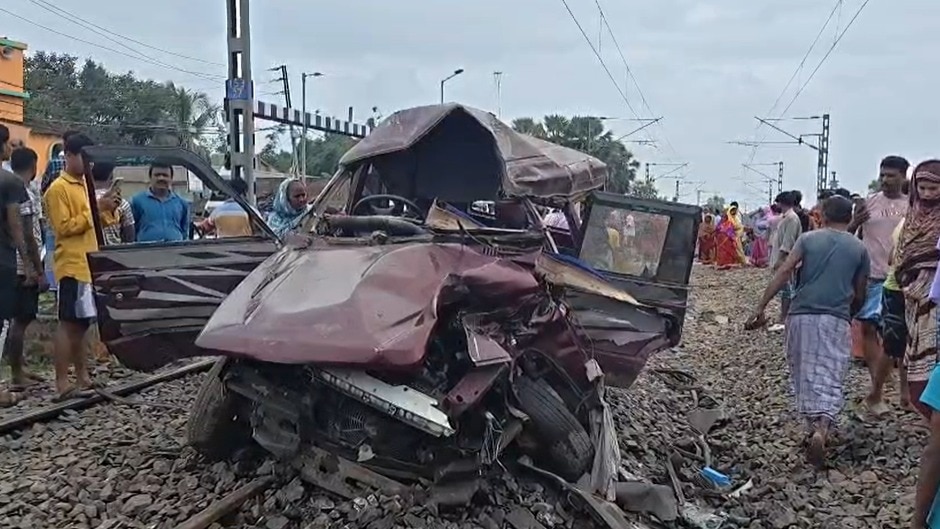
A devastating tragedy struck West Bengal earlier today when a speeding train collided with a school van, resulting in the deaths of three people. The impact of the collision was so severe that the van was completely mangled, trapping the occupants inside. While local residents and police rushed to the scene to assist, the lives of two young students and another individual could not be saved. The news has sent shockwaves through the local community, casting a pall of gloom over the area.
Details of the Incident and Local Outrage
According to preliminary reports, the accident occurred at a railway crossing that lacks proper signaling or a gatekeeper. Witnesses claim that the van driver attempted to cross the tracks despite the approaching train, possibly due to poor visibility or a misjudgment of the train's speed. Following the crash, angry locals gathered at the site, protesting against the railway authorities for failing to install safety measures at this known accident-prone spot. The identification process is currently underway, as families scramble to hospitals and the accident site in a state of panic and despair.
Systemic Issues in Railway Safety
This horrific incident is not an isolated event but rather a symptom of the broader systemic issues plaguing railway safety in India, particularly at unmanned or unauthorized crossings. Despite modernization drives, hundreds of such crossings remain death traps. Safety experts emphasize that school transport vehicles require strict auditing of their routes to ensure they avoid high-risk railway intersections. Furthermore, there is a pressing need for the installation of automatic barriers and hooters at these critical junctions to prevent such avoidable loss of life in the future.
Official Response and Next Steps
In the wake of the accident, senior state officials and railway representatives have visited the site. The government has announced ex-gratia payments for the families of the deceased and ordered a high-level inquiry into the matter. However, for the grieving families, no amount of compensation can replace the loss of their loved ones. This tragedy serves as a grim reminder that until infrastructure improvements match the pace of industrialization, innocent lives will continue to be at risk on India's roads and tracks.