As Tamil Nadu prepares for its first census in 15 years, experts break down the digital transition, self-enumeration processes, and data privacy safeguards.
Key Takeaways
- Tamil Nadu prepares for its first major population count in 15 years.
- Shift towards a digital census platform and self-enumeration options.
- Enhanced data privacy protocols to secure citizen information.
- Direct insights from M. Sundaresh Babu, Director of Census Operations.
The landscape of Indian demographics is set for a massive update as Census 2027 approaches. For the state of Tamil Nadu, this undertaking holds immense significance, marking the first comprehensive population count in over a decade and a half. This upcoming exercise is not merely a routine administrative task but a vital tool for future-proofing the state's socio-economic policies.
The Digital Shift: Self-Enumeration and Technology
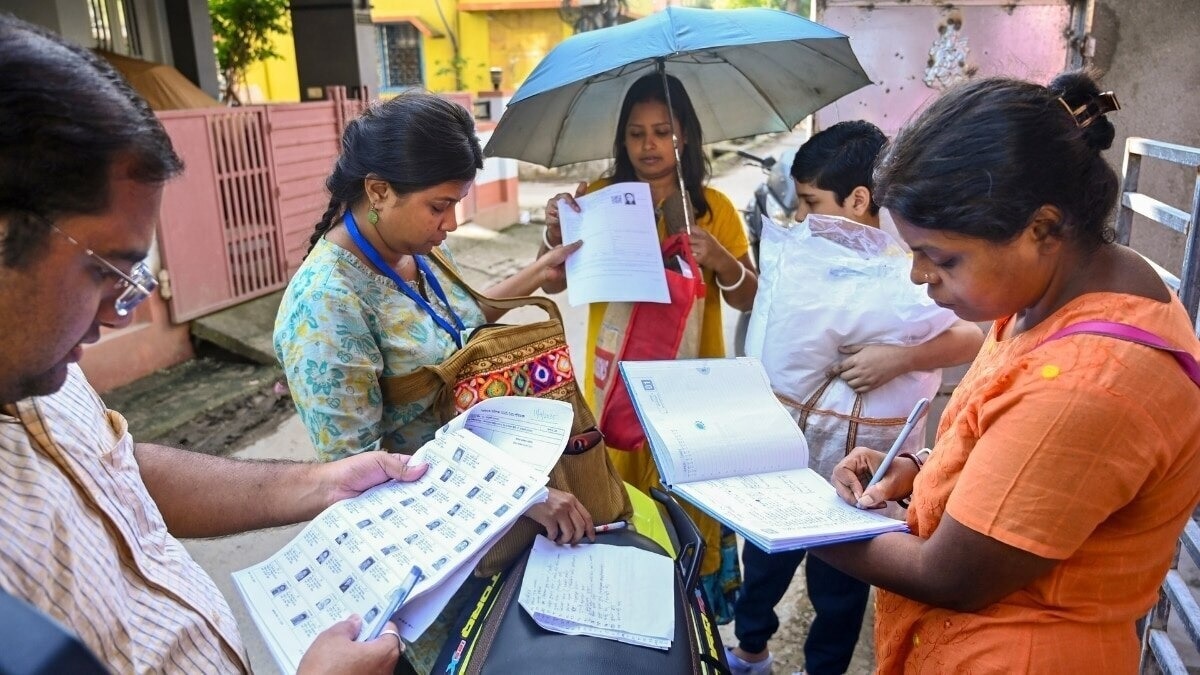
In a significant departure from traditional paper-based methods, the 2027 Census will lean heavily on technology. M. Sundaresh Babu, the Director of Census Operations for Tamil Nadu and Puducherry, has highlighted the integration of a sophisticated digital census platform. A key feature of this new era is 'self-enumeration,' allowing citizens to participate proactively by submitting their details through digital interfaces. This transition aims to minimize human error and streamline the massive influx of data.
Privacy in the Age of Big Data
With the move to digital platforms, concerns regarding data privacy and cybersecurity have naturally surfaced. Government officials have addressed these anxieties by emphasizing the stringent safeguards in place. The census framework includes multi-layered encryption and strict protocols to ensure that personal identifiers are protected and used exclusively for statistical analysis. The objective is to build public trust, which is essential for the success of such a large-scale operation.
Logistics and Citizen Engagement
One of the practical challenges discussed involves the physical visits by enumerators. The administration has prepared contingency plans for instances where residents may be unavailable during scheduled visits. Through a combination of digital reminders and flexible visitation windows, the census aims to achieve maximum coverage. This ensures that even the most remote or transient populations are accurately captured in the state's demographic profile.
Socio-Economic Implications
The data gathered during this census will serve as the bedrock for resource allocation in Tamil Nadu. From healthcare infrastructure and educational planning to urban development and social welfare schemes, every major government decision will be informed by these findings. After a 15-year hiatus, accurate data is critical to address the evolving needs of the state's population and to ensure equitable growth across all sectors.