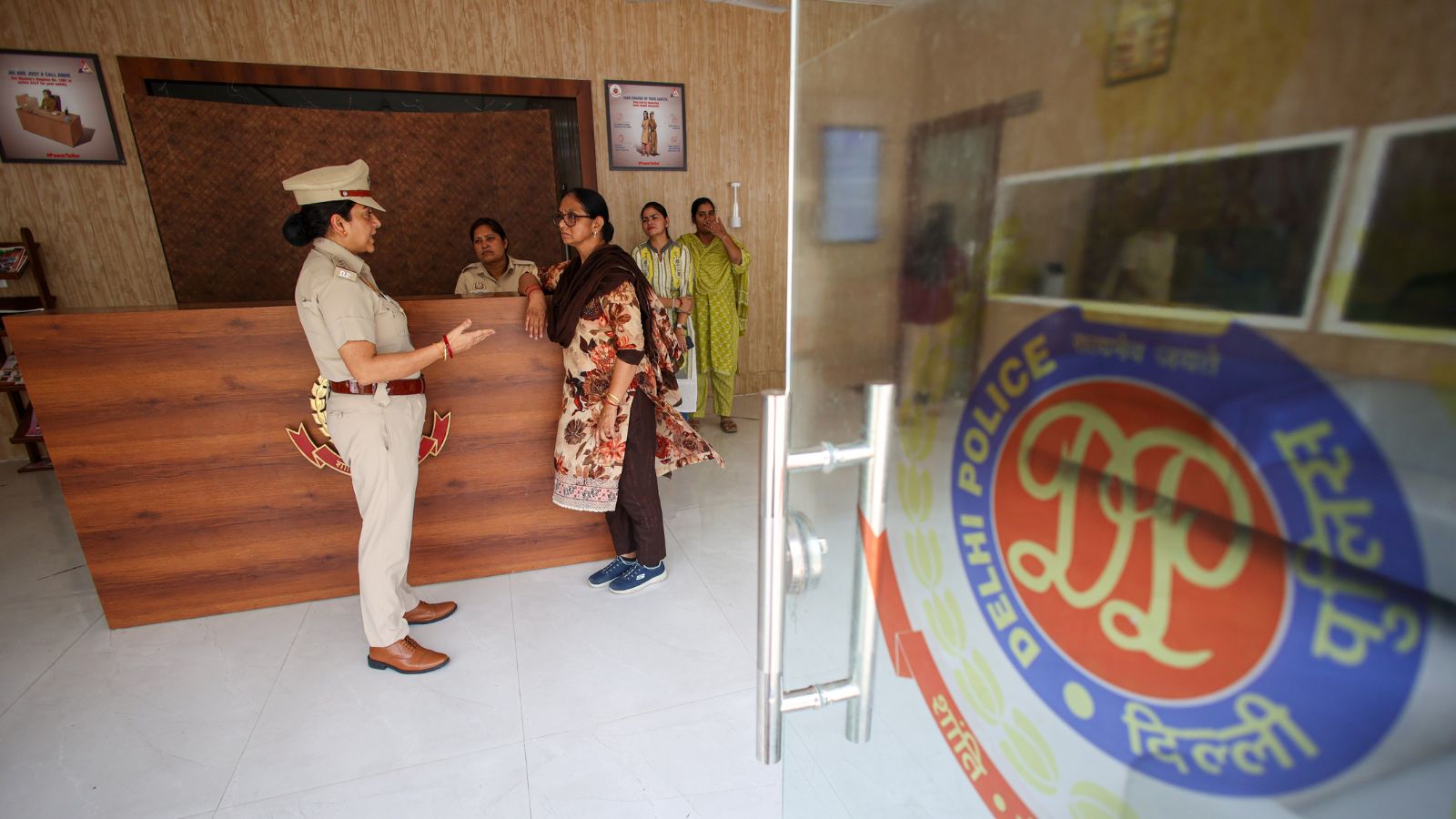
Located in North Delhi's Sabzi Mandi, the city's first dedicated women's police station is revolutionizing how gender-based crimes are handled by merging counseling with investigation.
Key Takeaways
- Delhi's first dedicated women's police station launched in North Delhi's Sabzi Mandi.
- The facility integrates counseling and criminal investigation under a single roof.
- The station features specialized infrastructure, including a children's room and private consultation areas.
- Approximately 60% of the personnel are women, ensuring a more empathetic first point of contact.
In the bustling area of Sabzi Mandi, North Delhi, a significant shift in urban policing is unfolding. Since its inauguration on June 19, Delhi's first dedicated women's police station has become a sanctuary for women seeking justice. By combining the functions of a traditional police station with the mediation capabilities of the Crime Against Women (CAW) Cell, the facility aims to eliminate the bureaucratic hurdles that often discourage victims from coming forward.
Breaking the Cycle of Bureaucracy
Historically, women in the North district had to navigate a fragmented system—first visiting local police stations to file complaints and then moving to separate CAW cells for mediation. This dual process often led to delays, confusion, and re-traumatization. Under the leadership of Station House Officer (SHO) Inspector Lakshmi Singh, this new integrated model allows complaints to flow through a streamlined single system, significantly reducing the time between reporting an incident and initiating legal action.
Designed for Empathy and Accessibility
The physical architecture of the station reflects its mission. Unlike the intimidating atmosphere of conventional stations, this facility is designed with accessibility in mind. It features a bright, daylight-filled hall with glass partitions for the duty desk to maintain professional distance while ensuring transparency. Crucially, the station provides private rooms for sensitive disclosures and a brightly painted children's room, acknowledging the reality that many women seek help while accompanied by their dependents.
The Complexities of Justice
The daily operations reveal the complex psychological landscape of domestic disputes. Officers report a recurring plea from women: "Just keep him in jail for two days; he will change." While this request highlights the desire to preserve families, it underscores the gap between emotional needs and the rigid application of criminal law. Despite these nuances, the station has already registered nine FIRs involving serious charges such as dowry harassment, molestation, and POCSO violations, proving its commitment to rigorous legal enforcement.
While the station is heavily staffed by women (nearly 60%), male officers remain vital for operational tasks like night arrests and managing aggressive suspects. This hybrid team represents a modern approach to policing—one that balances the need for firm law enforcement with the necessity of empathetic support.