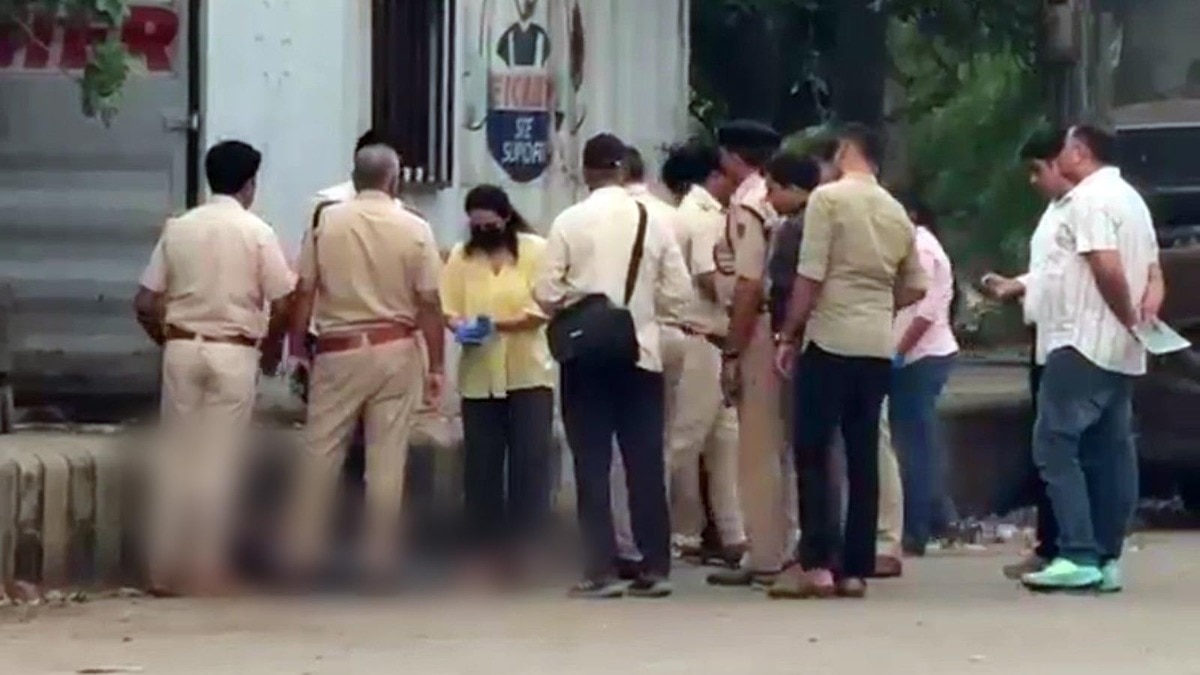
A Delhi police constable shot his wife in a public area and fled, only to end his own life two days later. The case highlights growing concerns over police stress, domestic violence, and mental‑health support within law‑enforcement ranks.
Key Takeaways (मुख्य बिंदु)
- Constable murdered his wife in a public setting
- He went on the run before committing suicide
- The incident raises questions about police mental‑health resources
On March 22, a tragic episode unfolded in Delhi that quickly captured national attention. Constable Ravi Kumar (name changed) shot and killed his wife in a crowded street, then fled the scene without filing a report. Two days later, he was found dead in a garden, having taken his own life with a firearm. The incident not only underscores the brutal reality of domestic violence but also throws a stark light on the psychological pressures faced by police personnel.
Chronology of the Incident
According to eyewitnesses, after a heated argument, the constable opened fire on his spouse in the presence of passers‑by. He immediately fled, evading a police chase that resulted in a warrant being issued hours later. Despite a city‑wide manhunt, he remained at large until his body was discovered, confirming that he had turned the weapon on himself.
Underlying Causes and Societal Context
Experts point to two intertwined factors. First, the prevalence of domestic abuse in India, often compounded by inadequate legal recourse, fuels such violent outcomes. Second, the relentless stressors inherent to police work—irregular shifts, exposure to crime, and limited access to mental‑health counseling—exacerbate the risk of self‑destructive behavior among rank‑and‑file officers.
Official Response
Delhi Police issued a statement expressing profound sorrow and pledged immediate counseling services for all personnel. The state government also announced a comprehensive welfare scheme aimed at improving mental‑health support, stress‑management training, and alternative duty rotations for constables.
Implications for the Future
This case serves as a grim reminder that neglecting the psychological well‑being of law‑enforcement agents can have fatal consequences for both the officers and the communities they serve. Civil society groups are leveraging the moment to demand stronger domestic‑violence laws and robust mental‑health frameworks within police departments. Without decisive action, similar tragedies may recur, eroding public trust and compromising national security.