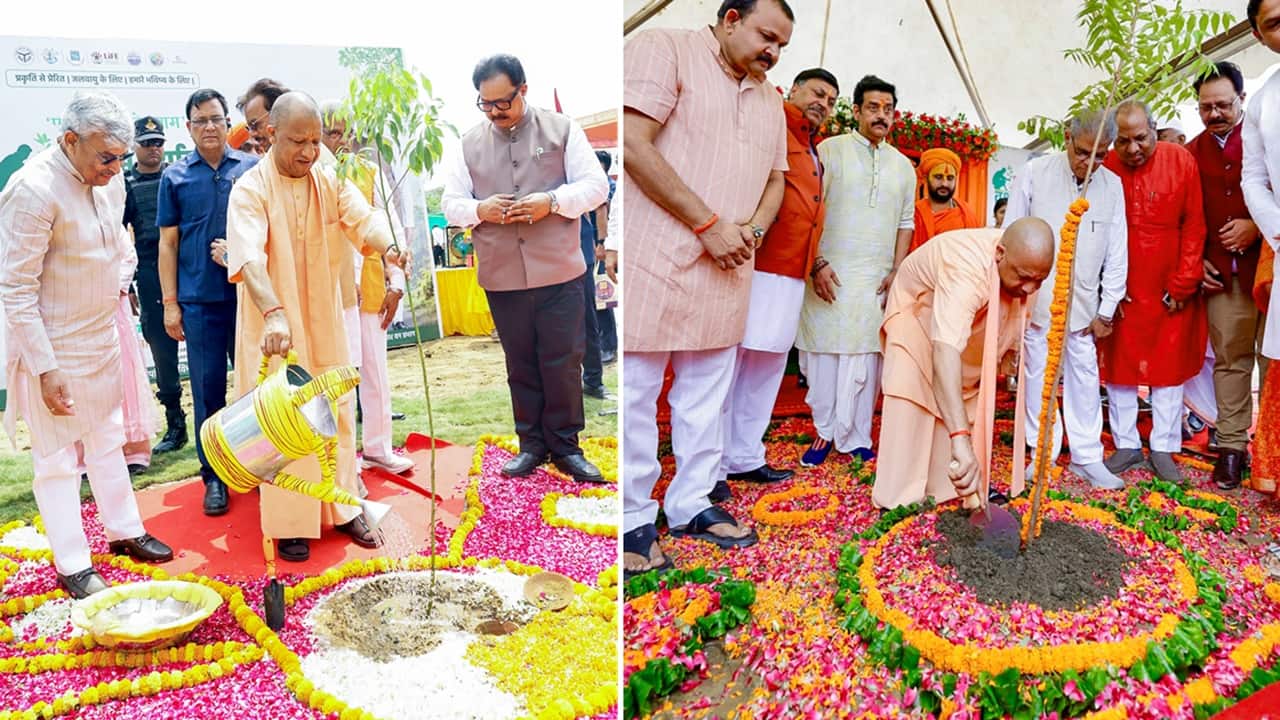
On July 12, Uttar Pradesh set a national record by planting over 350 million saplings in a single day. The feat showcases the Yogi government's meticulous planning, coordination, and deep reverence for nature.
Key Takeaways
- Uttar Pradesh planted more than 350 million saplings on July 12, setting a new Indian record.
- The drive, termed a “Mahayagya” by Chief Minister Yogi Adityanath, blends development with environmental gratitude.
- Long‑term benefits include improved air quality, groundwater recharge, and enhanced biodiversity.
In Indian philosophy the maxim “Vriksho Rakshati Rakshitah” – if we protect trees, they protect us – has resonated for millennia. On July 12, Uttar Pradesh brought this ancient wisdom to life by planting over 350 million saplings in a single day, a feat that is as astonishing in scale as it is symbolic of the state’s commitment to ecological stewardship.
Policy Vision and Administrative Execution
Chief Minister Yogi Adityanath framed the campaign as a “Mahayagya”, a grand sacrificial offering that underscores collective responsibility. His conviction that development and environmental conservation are complementary, not contradictory, has guided the state’s forest policy since 2017. Under this vision, more than 2.8 billion saplings have already been planted, expanding tree cover by roughly 380,000 acres and reshaping the state’s ecological footprint.
Historical and Cultural Context
Traditional Indian texts revere the Earth as “Mata” (mother) and treat trees as divine beings. The “Ek Ped Maa Ke Naam” (One Tree in Mother’s Name) campaign taps into this cultural ethos, encouraging citizens to honor both their biological mother and Mother Earth simultaneously. This emotional resonance transforms a governmental program into a grassroots movement rooted in reverence and gratitude.
Environmental Impact and Future Outlook
Large‑scale afforestation delivers multiple co‑benefits: it curbs air pollution, stabilises groundwater tables, prevents soil erosion, and sequesters carbon dioxide. For a densely populated and rapidly urbanising state like Uttar Pradesh, each additional green patch mitigates climate‑change pressures and improves public health. Experts suggest that sustained momentum could lead to measurable improvements in regional climate resilience within the next decade.
Conclusion
The 350 million‑sapling record is more than a statistical milestone; it is a vivid illustration of how policy, cultural values, and citizen participation can converge to create lasting environmental change. If replicated across other Indian states, such collective “Mahayagya” initiatives could become a cornerstone of the nation’s climate‑action strategy.