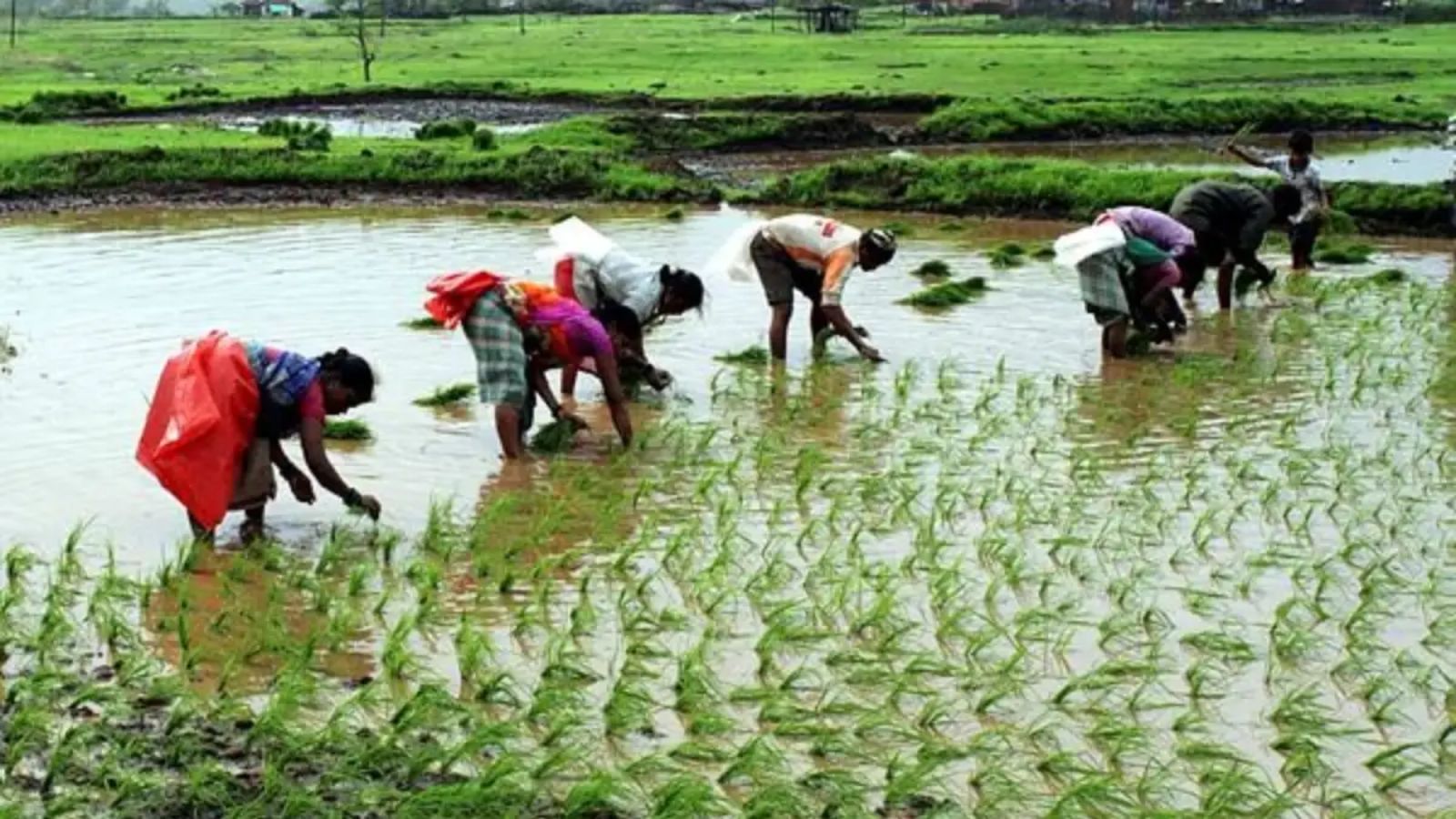
In the 2026 kharif season, Punjab's Direct Seeded Rice (DSR) area crossed 4 lakh acres, marking a 36% increase from the previous year. Over 31,000 farmers adopted the water‑saving method, with Fazilka, Sri Muktsar Sahib and Ferozepur leading the expansion.
Key Takeaways
- Direct Seeded Rice area crosses 4 lakh acres in Punjab
- Over 31,000 farmers adopt the water‑saving method, 36% increase YoY
- Fazilka, Sri Muktsar Sahib and Ferozepur lead adoption
The Punjab Agriculture Department reports that 4,00,433.26 acres were brought under Direct Seeded Rice (DSR) during the 2026 kharif season, a 36.2% jump from the 2.94 lakh acres recorded last year. A total of 31,478 registered farmers are now using this water‑conserving technology, positioning Punjab at the forefront of sustainable paddy cultivation.
Concentration in South‑West Districts
The surge is heavily weighted toward the south‑west belt. Fazilka tops the list with 12,063 farmers cultivating 1,55,422.77 acres, followed by Sri Muktsar Sahib (7,345 farmers, 1,06,038.81 acres) and Ferozepur (1,929 farmers, 38,088.59 acres). Together, these three districts account for more than 81% of Punjab’s total DSR area.
Historical Context and Challenges
Introduced in 2010 to curb groundwater depletion, DSR initially saw modest uptake. Technical hurdles—weed management, unsuitable soils, and nutrient deficiencies—dented confidence, leading to a decline between 2016 and 2019. The COVID‑19 pandemic revived interest as labour shortages made traditional transplanting difficult, pushing the area to 12 lakh acres in 2020 and 13.89 lakh acres in 2021. After a post‑pandemic dip, the area rebounded steadily, reaching the current 4‑lakh‑acre milestone.
Environmental and Economic Benefits
Unlike conventional paddy, DSR involves sowing seeds directly into moist soil using specialised seed drills, delaying the first irrigation by about three weeks. This practice saves 15‑20% water per acre and reduces labour requirements. The state government offers an incentive of ₹1,500 per acre, amounting to nearly ₹61 crore in total support for adopters.
Future Outlook
Joint Director (Plant Protection) Narinder Singh Benipal notes that the sharp increase reflects growing farmer confidence, especially in districts familiar with the technology. He stresses continued technical guidance, field‑level support, and incentive schemes to spur adoption in central and Doaba regions, where uptake remains low. If sustained, DSR could become the backbone of Punjab’s paddy sector, aligning agricultural productivity with long‑term water sustainability.