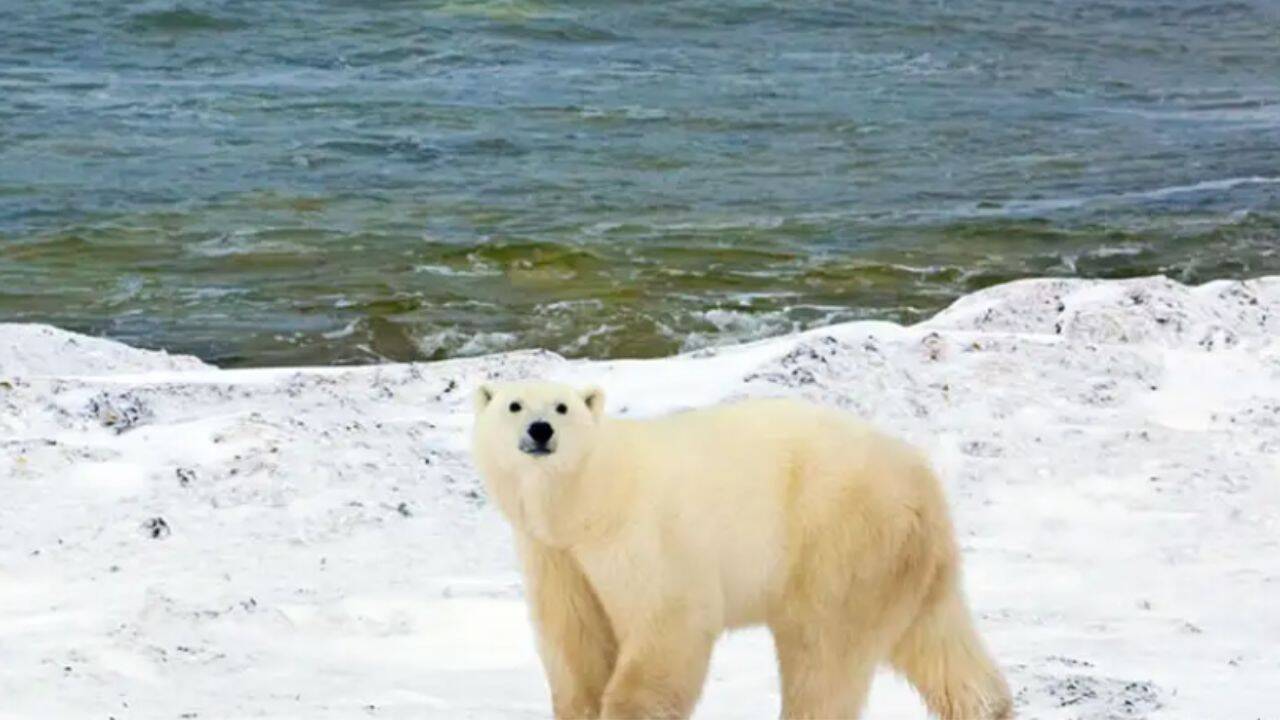
An AI‑powered radar called ‘Bear-dar’ successfully identified a polar bear family at Eureka, Nunavut, alerting station staff in time to guide the animals back to sea‑ice habitat. The system is designed to cut human‑wildlife encounters and boost safety for researchers and wildlife alike.
Key Takeaways
- ‘Bear-dar’ identified a polar bear mother and two cubs at Eureka, Nunavut.
- The radar instantly warned station personnel, enabling a safe, non‑lethal removal.
- Built to operate in all Arctic weather conditions, the technology aims to reduce future human‑wildlife conflicts.
At the remote Eureka weather station in Nunavut, an advanced AI radar system named Bear-dar has proven its worth by detecting a polar bear mother and her two cubs wandering close to the facility. The early warning gave station staff the crucial seconds needed to steer the bears away from critical equipment and back onto the sea‑ice where they belong.
Technical Foundations and Development
‘Bear-dar’ is the product of a joint effort between Canadian research agencies and private AI firms. It leverages deep‑learning algorithms trained on thousands of images and radar signatures of polar bears, allowing it to differentiate bears from other large mammals and even from ice formations. Unlike conventional camera‑based monitoring, the radar can operate through fog, darkness, and heavy snowstorms, providing 24‑hour coverage essential for the extreme Arctic environment.
Implications for Safety and Conservation
Polar bears are increasingly forced onto human‑occupied territories as sea‑ice retreats due to climate change. Encounters can endanger both researchers and the animals, often resulting in lethal outcomes. By delivering a real‑time alert, Bear‑dar enables a humane response—guiding the bears away without any direct contact. This approach not only protects personnel but also reduces stress on the bears, aligning with international conservation guidelines.
Global Reach and Future Applications
The success at Eureka is already sparking interest among other Arctic research outposts and even Antarctic stations. Nations are evaluating the adoption of similar AI‑radar systems to safeguard their own scientific crews and to collect valuable data on wildlife movements. The continuous stream of detection data can further inform polar bear population models, migration patterns, and the health of sea‑ice ecosystems.
Conclusion
Bear‑dar’s deployment marks a pivotal step toward integrating cutting‑edge AI with wildlife management in one of the planet’s most hostile regions. As the Arctic warms, such technologies will become indispensable tools for reducing human‑wildlife conflict and for preserving iconic species that are emblematic of climate‑driven change.