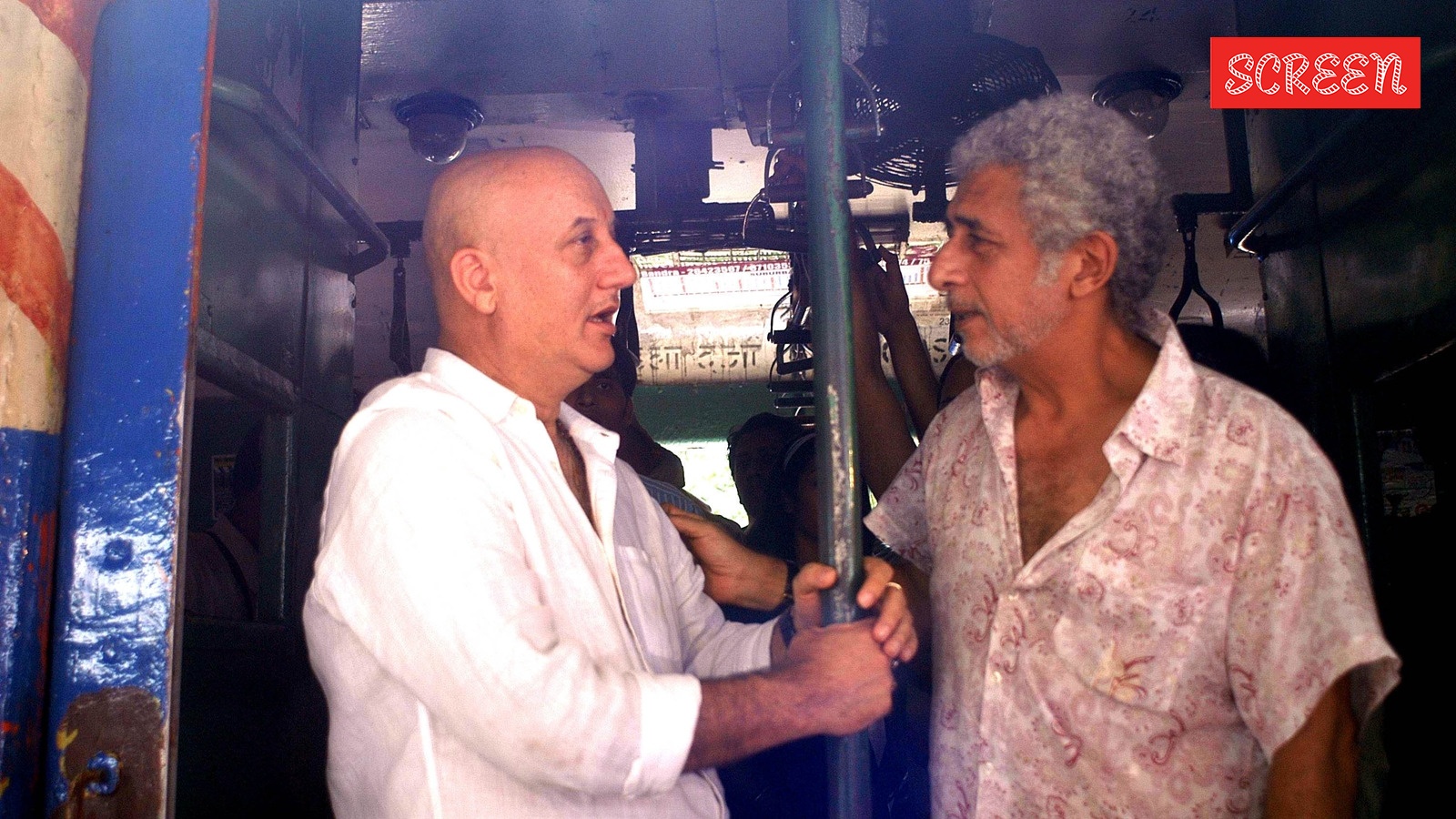
Veteran actor Anupam Kher says trolls resurfaced a six‑year‑old clip of Naseeruddin Shah calling him a ‘clown’ to target him after his comments on the Ayodhya Ram Temple donation theft. Despite past differences, the duo remains on friendly terms, while the episode reignites debate over politics and personal attacks in Bollywood.
Key Takeaways
- Kher alleges that trolls revived Shah’s old ‘clown’ video to weaponize against his Ayodhya remarks.
- The two actors have reconciled and maintain mutual respect.
- The incident underscores the growing nexus of politics, social media trolling, and personal feuds in Indian cinema.
Introduction: Two stalwarts of Indian cinema, Anupam Kher and Naseeruddin Shah, have found themselves back in the headlines. Kher posted an Instagram video asserting that after his remarks on the theft of donations at the Ayodhya Ram Temple, trolls dug up Shah’s six‑year‑old ‘clown’ clip to launch a coordinated attack, which he described as an “ecosystem” built solely to target him.
Background of the Old Clip
In a 2020 interview, Shah referred to Kher as a “clown,” sparking a brief but public spat. Both actors later said they had moved past the incident, exchanging hugs and mutual respect. However, Kher’s recent comments on the Ayodhya controversy gave trolls an excuse to resurrect the old footage, reigniting the feud in a new political context.
Kher’s Response and Reconciliation
“I visited the Ram Mandir in Ayodhya and spoke my heart,” Kher said in his video. “Some people didn’t like it because it didn’t fit their agenda, so they created an entire ecosystem to attack me. When they ran out of fresh material, they dug up a six‑year‑old video of Naseeruddin Shah, hoping to damage my reputation.” He emphasized that he and Shah have since met, hugged, and continue to respect each other, dismissing calls to “let it go” as forgetting his earlier response to the clip.
Historical and Societal Context
The Ayodhya Ram Temple remains a flashpoint in Indian politics, often used to gauge public sentiment on nationalism and religious identity. Kher’s assertion that “truth always wins” reflects a broader belief among many public figures that personal integrity should outweigh digital harassment. Yet, the incident illustrates how personal disputes can be weaponized within larger national narratives, turning a private jest into a political weapon.
Implications for Bollywood and Digital Discourse
Such controversies can affect film promotion, endorsement deals, and an actor’s market value. Media analysts warn that algorithm‑driven amplification of “attack ecosystems” makes it easier for trolls to weaponize old content against anyone who voices a controversial opinion. The industry now faces a pressing need to develop robust digital‑ethics guidelines and support mechanisms for artists navigating the volatile intersection of art, politics, and social media.
Looking ahead, if more Bollywood personalities continue to comment on sensitive political issues, the likelihood of similar trolling campaigns will rise. The onus, therefore, lies not only on the artists but also on platforms and regulators to ensure that truthful discourse is not silenced by orchestrated online harassment.