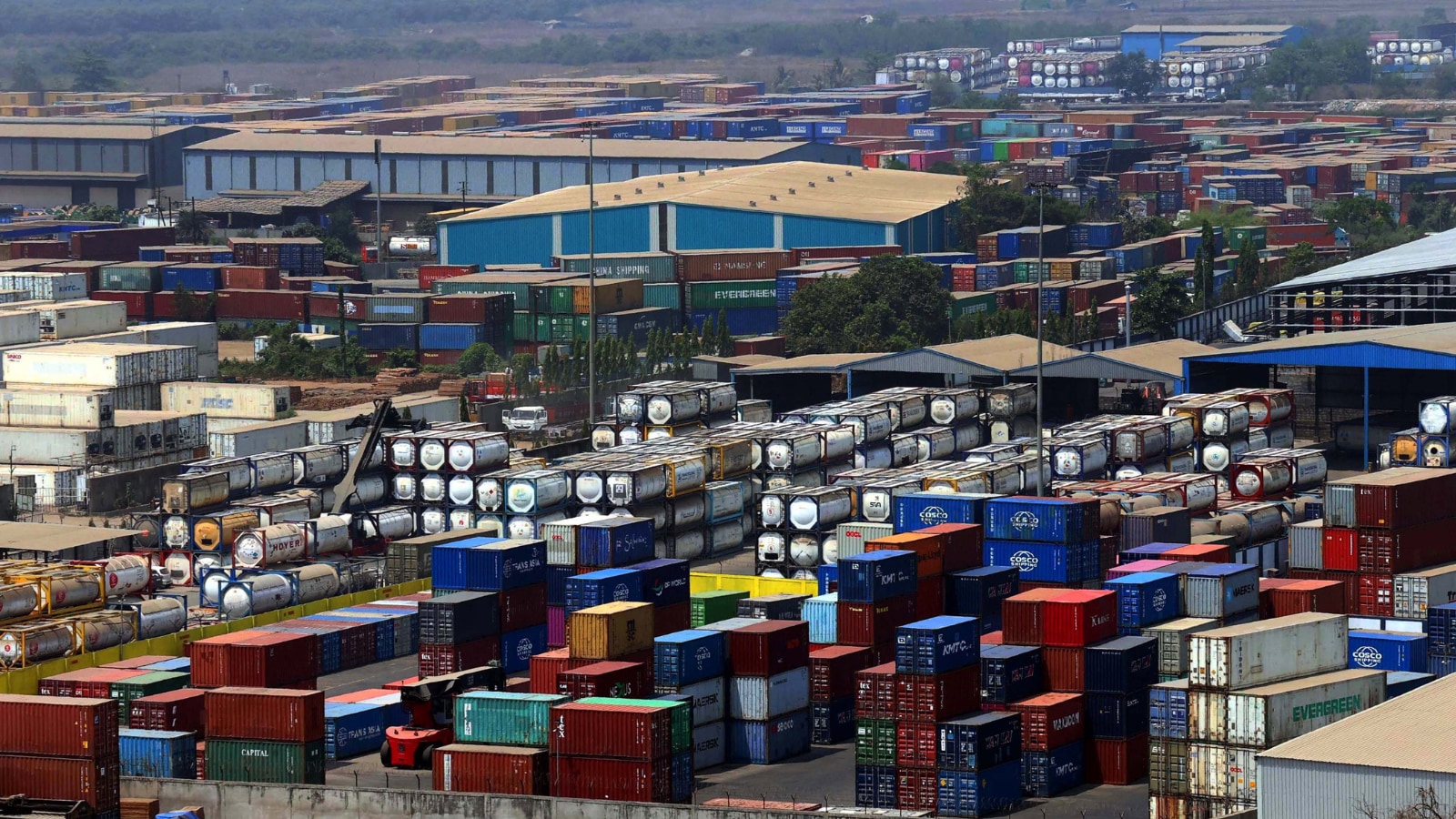
June 2026 trade figures reveal a sharp rise in imports while exports continue to climb, reflecting the impact of the West Asia crisis and a potentially weak monsoon. The shift also underscores policy moves to boost domestic electronics manufacturing and secure supply chains.
Key Takeaways
- Import surge in crude oil, gold, fertilizers and electronics drove a 430% jump in June trade deficit.
- Merchandise exports rose 15.5% in June, with non‑petroleum goods up 16.5%.
- Government removed customs duties on key electronic components to encourage local production and supply‑chain resilience.
India’s June 2026 trade data paints a nuanced picture of an economy navigating geopolitical turbulence and climate uncertainty. While the headline‑grabbing 430% increase in the trade deficit may sound alarming, the underlying cause is a steep rise in imports rather than a collapse in export performance.
Import Drivers: Crude, Gold, Fertilizers, Electronics
The bulk of the deficit expansion stems from higher imports of crude oil, gold, fertilizers and electronic goods. Global oil prices spiked a few months earlier, pushing crude oil imports up by 40% in June. Gold prices continued their upward trajectory amid lingering West Asia tensions, and a doubling of import duties on gold in May further amplified June prices. Natural‑gas constraints from the same region forced a 201% increase in fertilizer imports by value compared with the previous June.
Electronics Imports – A Domestic Factor
Unlike the other categories, the surge in electronic goods imports is largely driven by India’s own manufacturing ambitions. As domestic assembly lines for smartphones, laptops and smart TVs expand, the demand for imported components—such as display panels, lithium‑ion cells and inductor coils—has risen sharply. The government’s recent decision to waive basic customs duties on these parts signals a strategic push to nurture a homegrown high‑tech ecosystem.
Export Performance Remains Robust
On the export side, merchandise shipments posted a solid 15.5% increase in June and an even faster 16% growth in the first quarter of FY 2026‑27. This momentum is not merely a function of petroleum exports; non‑petroleum goods surged by 16.5% in June and 12.4% in Q1. Exports rose across every region except West Asia, with a sizable share of growth coming from both volume and value, highlighting the agility of Indian exporters in diversifying markets.
Service Exports Lag Behind
Service exports, however, grew more modestly—2.9% in June and 6.2% in Q1. Chief Economic Adviser V. Anantha Nageswaran warns that achievements in Global Capability Centres (GCCs) should not be treated as an end point; sustained innovation and skill development remain essential to preserve India’s competitive edge.
Looking Ahead: Policy and Supply‑Chain Security
Policymakers now face the challenge of converting imported electronic inputs into domestically produced components, thereby fortifying supply chains against external shocks. Simultaneously, leveraging the export diversification momentum while accelerating high‑value service growth will be key to cementing a structurally stronger trade outlook for India.