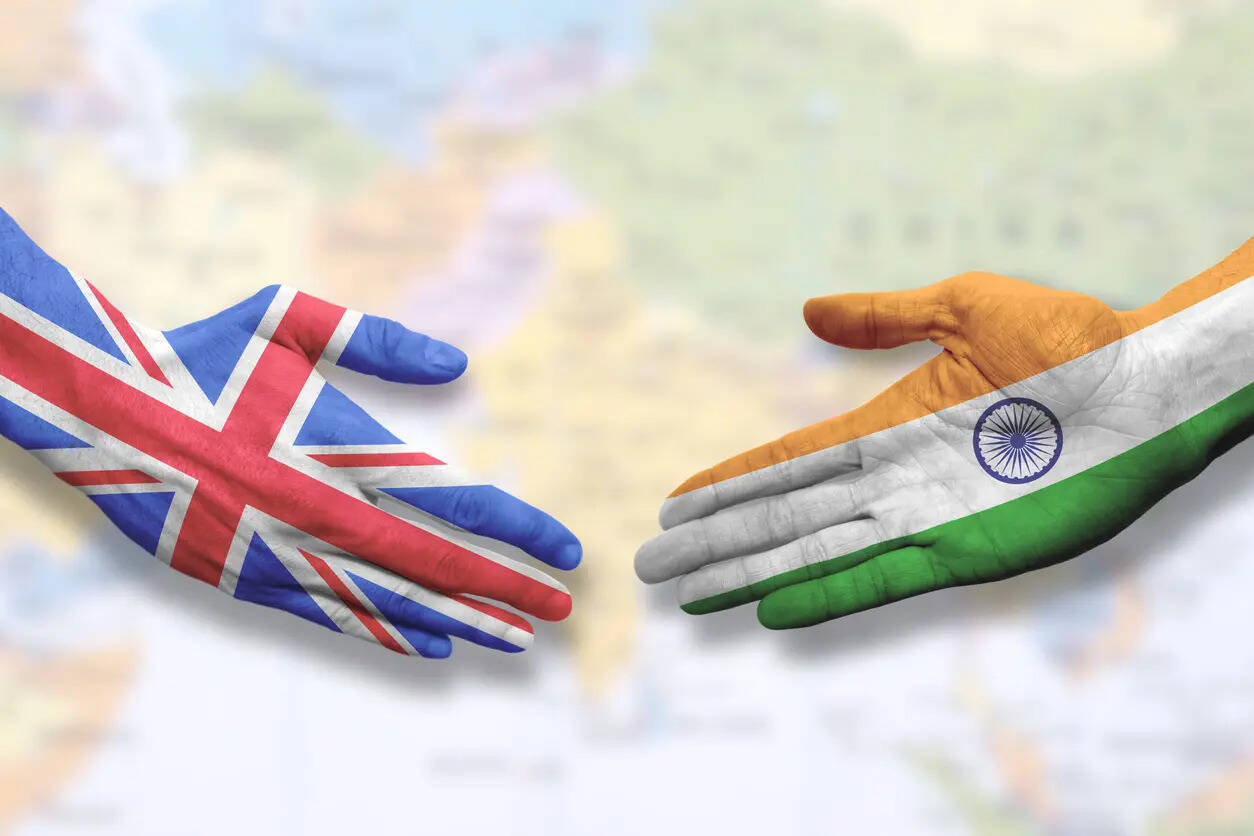
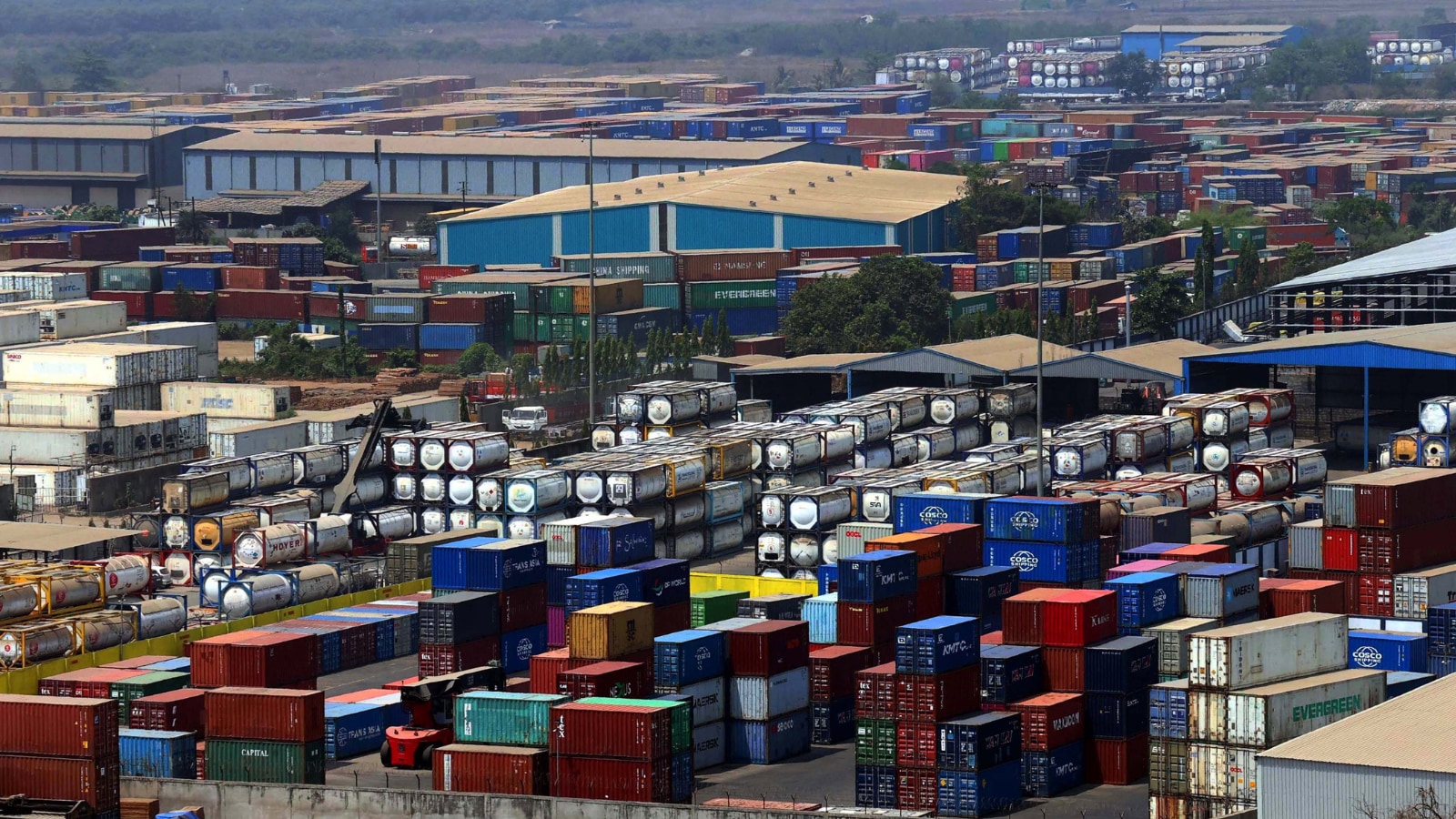
Following the India‑UK Free Trade Agreement, the first export consignment was flagged off from an Indian port, signaling a pivotal step toward deeper bilateral commerce. The move promises to boost Indian manufacturers on the global stage and unlock new market opportunities.
Key Takeaways
- India-UK FTA's inaugural export consignment has been flagged off.
- The shipment includes key Indian export goods such as pharmaceuticals, textiles, and electronics.
- Analysts project a 15%‑20% rise in bilateral trade as the agreement takes full effect.
India and the United Kingdom signed a comprehensive Free Trade Agreement in 2023, aiming to slash tariffs, harmonise standards, and streamline customs procedures. After months of preparatory work, the trade ministry in New Delhi officially flagged off the first export consignment under the pact, underscoring the agreement’s operational readiness.
Consignment Details
The cargo, departing from Chennai Port, comprises roughly 450 metric tonnes of Indian pharmaceuticals, high‑quality textiles, and electronic components destined for London’s Hetro Port. Early‑stage feedback from UK importers indicates strong demand, while Indian exporters report an average 30% reduction in clearance time thanks to the new customs‑facilitation clauses.
Trade Prospects and Economic Impact
According to the Ministry of Finance, the FTA could lift bilateral trade by 15‑20% over the next five years, with small and medium‑sized enterprises (SMEs) poised to benefit most. By lowering barriers, the agreement aligns with India’s “Make in India” strategy, offering UK’s tech‑driven economy a reliable supply of cost‑competitive goods.
Future Outlook
Both governments have outlined plans to expand cooperation into agri‑tech, renewable energy, and digital services in the coming months. This inaugural shipment is more than a symbolic gesture; it is a concrete step toward a robust, diversified economic partnership that could reshape supply chains across continents.