The India-UK Comprehensive Economic and Trade Agreement (CETA) came into force on July 15, 2026, eliminating tariffs on 99% of Indian goods and positioning farmers, fishers and MSMEs as primary beneficiaries. The pact opens new export avenues, eases investment, and reshapes the trade landscape between a developing and a developed economy.
मुख्य बिंदु (Key Takeaways)
- UK removes tariffs on 99% of Indian tariff lines, covering 97.7% of trade value.
- Agriculture, fisheries and MSMEs are highlighted as the biggest winners.
- The Double Contribution Convention grants social‑security relief to over 75,000 Indian professionals in the UK.
The India‑UK Comprehensive Economic and Trade Agreement (CETA) officially entered into force on 15 July 2026, alongside its companion social‑security pact – the Double Contribution Convention (DCC). Commerce Secretary Rajesh Agrawal hailed it as a “gold‑standard” deal, noting its 30‑chapter breadth that goes far beyond simple tariff cuts.
Structure and Core Provisions
A Free Trade Agreement (FTA) traditionally removes or reduces tariffs and other trade barriers between signatory nations. CETA deepens this model by also covering services, digital trade, government procurement, intellectual property, investment, labour, environment and gender issues, essentially functioning as a Comprehensive Economic Partnership Agreement (CEPA).
Tariff Reductions at a Glance
The United Kingdom instantly eliminated duties on 99% of Indian tariff lines, representing roughly 97.7% of bilateral trade value. Prior to the pact, tariffs on processed foods reached up to 70%, marine products 21.5%, engineering goods 18%, and auto components 16%. India, in return, opened 89.5% of its tariff lines to the UK, though only about 24.5% of that value enjoys immediate duty‑free access; the remainder will be phased in over five to ten years.
Sensitive Sectors Remain Protected
Both parties insulated certain sensitive sectors from concessions. India excluded dairy, cereals, millets, pulses, edible oils, apples, several vegetables, gold, jewellery, lab‑grown diamonds, smartphones, optical fibre and marine vessels. The UK similarly retained protection for some agricultural products, planning gradual tariff reductions.
Addressing Non‑Tariff Barriers
Dedicated chapters on Sanitary and Phytosanitary (SPS) standards and Technical Barriers to Trade (TBT) aim to prevent quality or safety regulations from becoming disguised trade restrictions. A simplified Rules of Origin mechanism permits exporters to self‑certify, while Authorized Economic Operators receive faster customs clearance.
Implications for Agriculture, Farmers and MSMEs
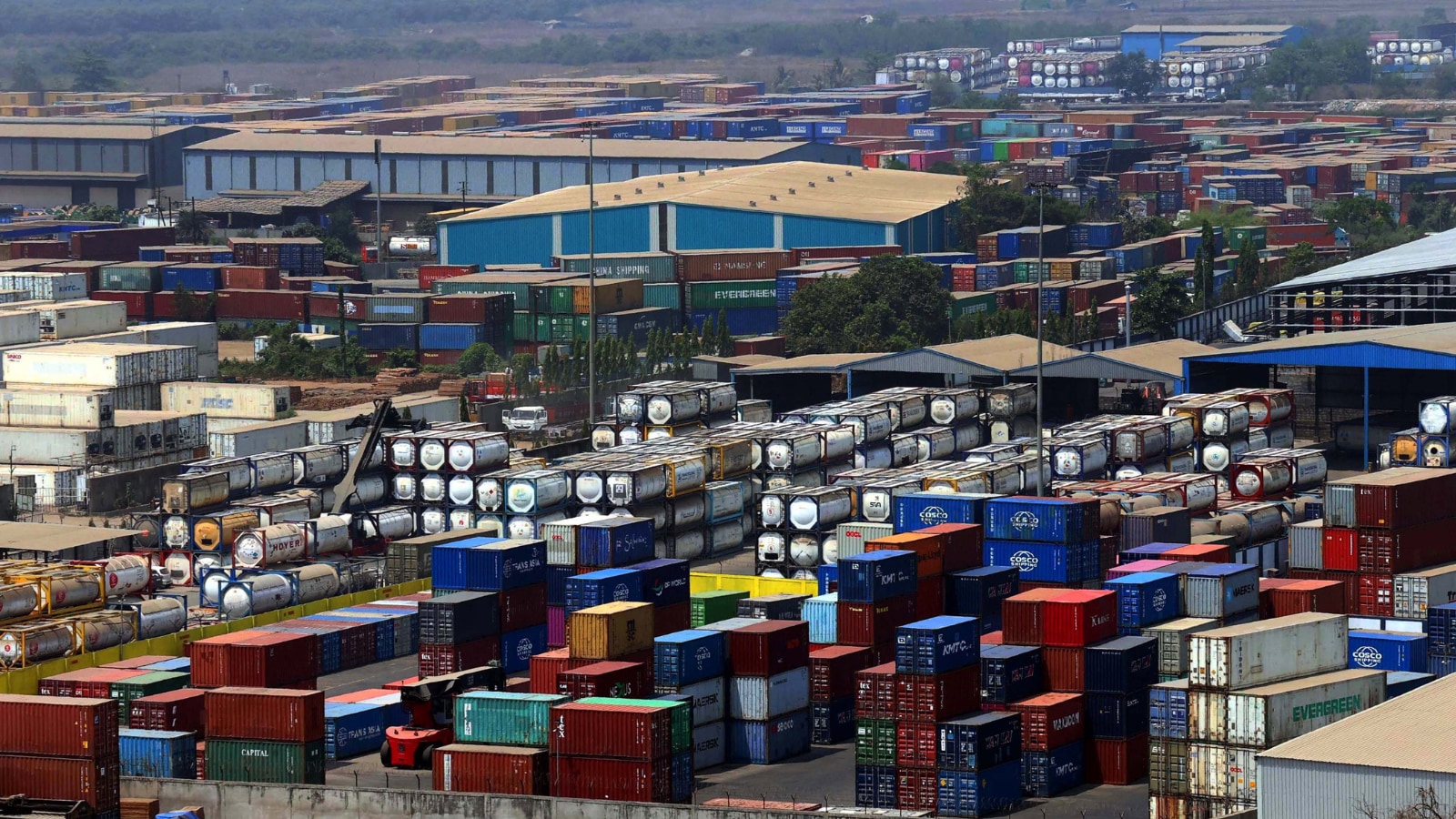
Farmers stand to gain from duty‑free access to the UK market, enhancing the competitiveness of fruits, vegetables, spices and organic produce. The removal of a 21.5% tariff on marine products should boost fishers’ export earnings. For MSMEs, the agreement dovetails with India’s Production‑Linked Incentive (PLI) schemes, offering phased tariff relief and smoother entry into digital services, thereby expanding their global footprint.
Moreover, the agreement’s broader scope—covering services, investment and digital trade—creates ancillary opportunities for agritech startups, supply‑chain innovators and small‑scale manufacturers seeking to tap into the UK’s high‑value market.
Strategic Context and Future Outlook
This pact marks India’s most ambitious trade deal with a developed economy to date, both in terms of market opening and issue coverage. It aligns with the India‑UK Vision 2035, a strategic roadmap that extends cooperation into defence, climate and education, building on the 2021 Comprehensive Strategic Partnership.
Implementation will be overseen by the India‑UK Joint Committee, supported by sector‑specific sub‑committees on rules of origin, mobility, IP, procurement and gender. Any amendment requires mutual consent and becomes effective 60 days after domestic approval, ensuring both flexibility and stability.