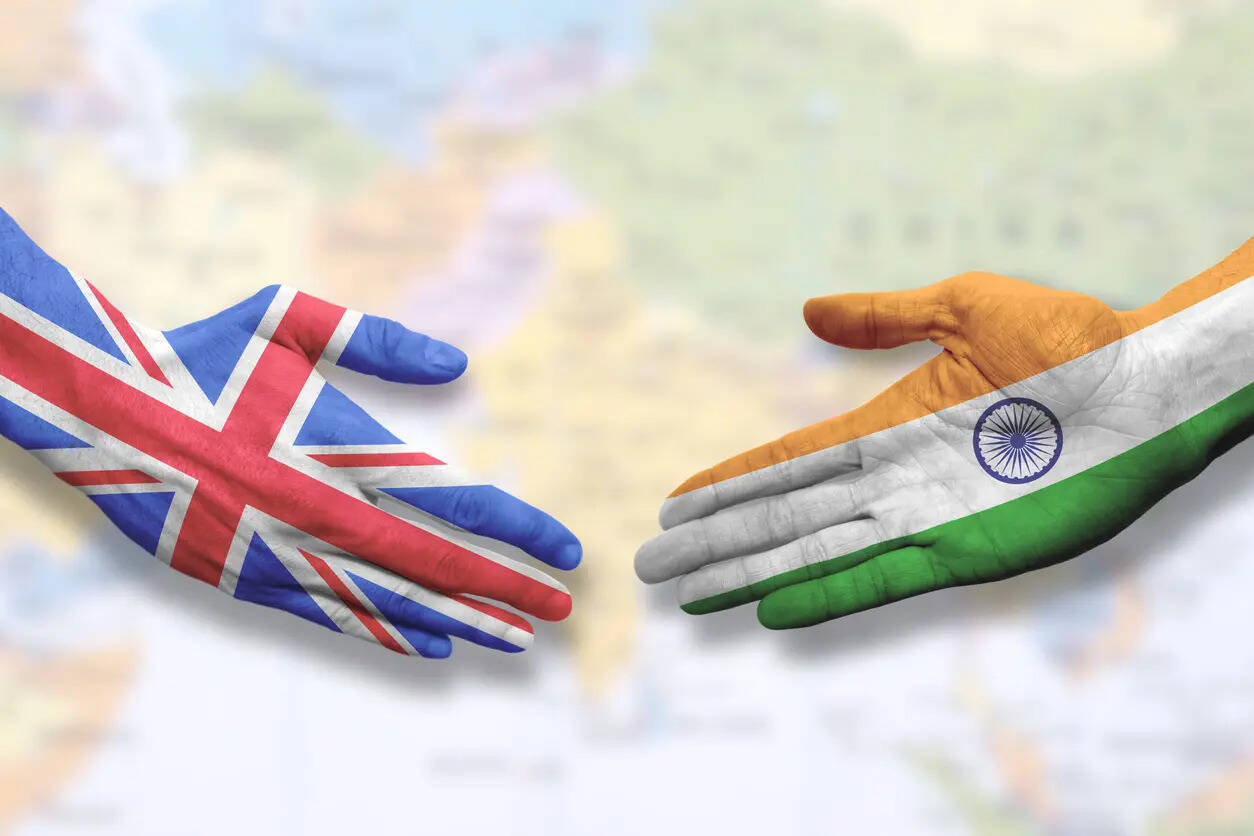
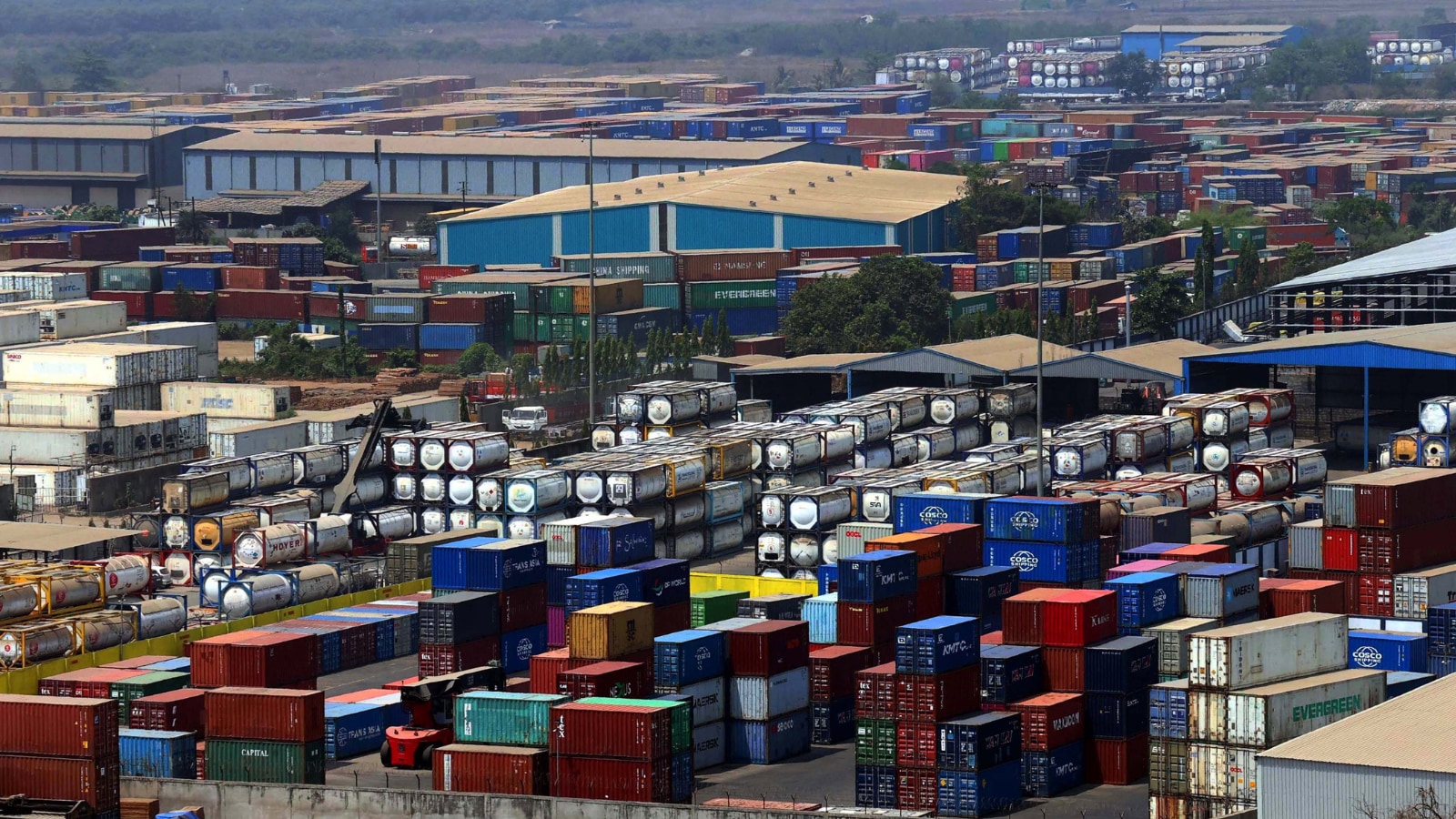
India and the United Kingdom will bring their new Comprehensive Economic and Trade Agreement into force on July 15, slashing tariffs on 98.8% of UK lines and 99.5% of trade value. India will also eliminate a large share of its own tariffs, paving the way for deeper market access on both sides.
Key Takeaways
- UK will remove tariffs on 98.8% of tariff lines, covering 99.5% of trade value.
- India will eliminate tariffs on 30.3% of trade value immediately, reaching 89.5% of tariff lines overall.
- The Double Contribution Convention (DCC) protects over 75,000 Indian workers from paying double social security contributions.
The India‑UK Comprehensive Economic and Trade Agreement (CETA) and the Double Contribution Convention (DCC) are set to take effect on July 15, establishing a forward‑looking economic architecture between two of the world’s largest economies. Commerce Secretary Rajesh Agrawal described the pact as “one of the most ambitious and aspirational FTAs” that delivers deep tariff cuts and extensive sector‑wide cooperation.
Negotiation Background
Signed in July of the previous year, the agreement emerged after months of intensive dialogue covering 30 chapters – ranging from digital trade and government procurement to SMEs, innovation, labour, environment, and gender equality. This breadth of coverage, coupled with unprecedented reductions in both tariff and non‑tariff barriers, earned the deal the “gold standard” label.
Tariff Reduction Details
Under the deal, the United Kingdom will instantly eliminate tariffs on 96.8% of its tariff lines, representing 97.7% of the bilateral trade value. An additional 2% of lines will see quota‑based reduced tariffs, bringing the total coverage to 98.8% of lines and 99.5% of trade value. India, meanwhile, will immediately scrap tariffs on 30.3% of trade value, with a phased removal covering an extra 47% over time, ultimately reaching 89.5% of tariff lines and 89.4% of trade value.
Non‑Tariff Barriers and Sensitive Sectors
The pact also tackles non‑tariff obstacles such as Sanitary and Phytosanitary Measures (SPS) and Technical Barriers to Trade (TBT), ensuring that future disputes do not become unjustified restrictions. India has secured safeguards for its sensitive sectors – dairy, cereals, pulses, vegetables, gold and jewellery, smartphones, and critical polymers – preserving domestic interests while opening new export avenues.
Impact of the Double Contribution Convention
The DCC is hailed as a “game‑changer” for India’s services sector and skilled workforce. Currently, Indian employees contribute roughly 25% of their salary to the UK’s National Insurance system without receiving commensurate benefits. The DCC will prevent double contributions for workers who are already paying social security in India, benefitting more than 75,000 Indian workers and over 900 employers for a five‑year period.
Strategic Outlook
Analysts anticipate that the agreement will not only boost goods trade but also catalyse collaboration in financial services, fintech, sustainable finance, and infrastructure investment. Chris Hayward, Policy Chairman of the City of London Corporation, called the deal a “strong platform to unlock even greater collaboration” in these sectors. As India’s economic growth continues, the partnership positions both nations to mobilise global capital and expertise, forging a new chapter in Indo‑British trade relations.