President Donald Trump's proclamation has halted the imposition of fresh duties on commercial aircraft and their components, yet it leaves the door open for future action. The move eases uncertainty for the U.S. aerospace sector while keeping strategic options alive.
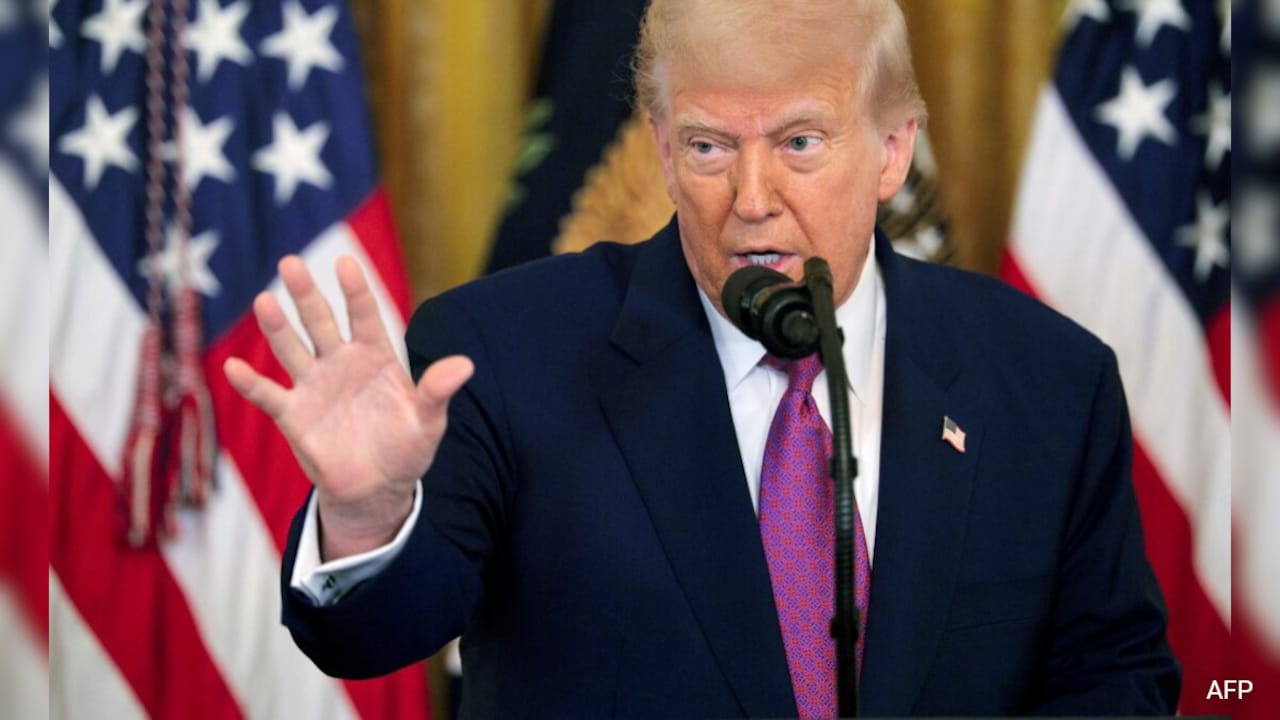
The United States has refrained from imposing new tariffs on commercial aircraft and parts after an investigation into the sector, as announced in a proclamation signed by President Donald Trump on Thursday. The decision follows a comprehensive review that weighed competitive concerns, national security implications, and the health of the domestic aerospace industry.
Background
Over the past few years, the Trump administration has frequently leveraged tariffs as a tool to address trade imbalances, especially with China and European Union partners. In the aerospace arena, Boeing has repeatedly clashed with European rival Airbus over market share, subsidies, and alleged unfair practices. In 2018, the administration threatened to levy additional duties on certain Airbus components, sparking a tit‑for‑tat trade dispute that heightened industry uncertainty.
Historical Tariff Disputes
Boeing argued that Airbus's subsidies threatened American jobs and innovation, while the EU countered with threats of reciprocal measures against U.S. manufacturers. This back‑and‑forth escalated into a broader trade negotiation stalemate, with both sides seeking leverage through tariff threats.
Trump's Current Stance
In the latest proclamation, Trump emphasized that no new tariffs will be enacted until the findings of the ongoing investigation are fully reviewed. By postponing immediate action, the administration signals a cautious approach, keeping policy tools available without disrupting the supply chain abruptly. Industry analysts note that this pause provides Boeing with short‑term relief, allowing it to maintain production schedules and protect its market position.
Future Implications
While the present decision averts new duties, the proclamation explicitly leaves open the possibility of future measures should the investigation uncover significant violations or supply‑chain disruptions. Experts warn that any resurgence of tariff threats could reignite the trade friction that has periodically affected the global aviation market, influencing aircraft pricing, airline profitability, and ultimately passenger fares.
In sum, the U.S. government's measured response reflects a balancing act between safeguarding national interests and preserving the stability of an industry critical to both the economy and international travel. The outcome of the investigation will shape the next chapter of U.S.–EU aerospace relations and could set precedents for how strategic sectors are protected in an increasingly protectionist era.