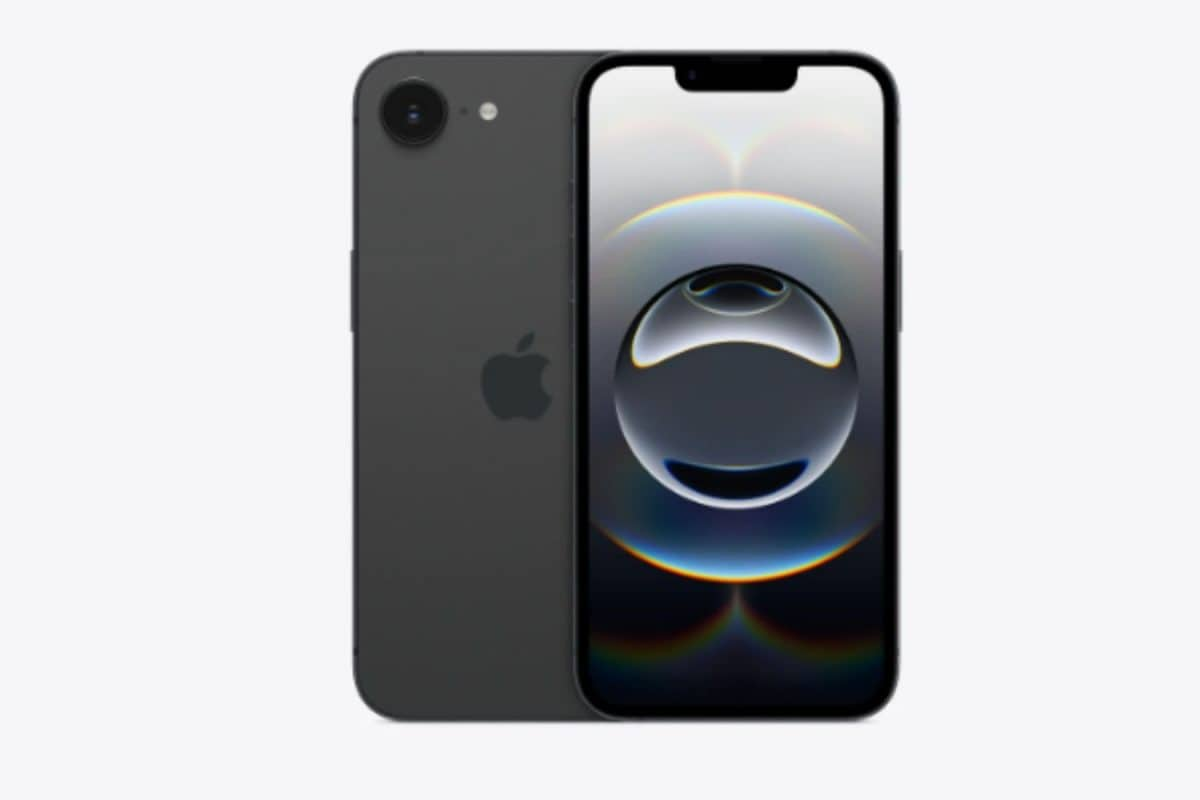
Despite sharing the same A19 chip, the iPhone 17e and standard iPhone 17 exhibit a distinct performance gap. While CPU performance is virtually identical, a disabled GPU core on the budget-friendly 17e impacts gaming and heavy graphical tasks.
Key Takeaways
- Both iPhone 17 and iPhone 17e feature Apple's latest A19 processor.
- The iPhone 17e features a 4-core GPU, whereas the standard iPhone 17 boasts a 5-core GPU.
- CPU benchmarks show nearly identical performance, making daily tasks indistinguishable.
- Graphics-intensive tasks and high-end gaming show a 20-23% performance gap favoring the standard iPhone 17.
Whenever Apple refreshes its smartphone lineup, consumer curiosity peaks regarding the true performance differences between the standard models and their budget-friendly counterparts. With the release of the iPhone 17 and the more affordable iPhone 17e, the big question is whether buyers can save money without sacrificing the premium, lightning-fast experience. On paper, both devices appear remarkably similar as they both run Apple's cutting-edge A19 chip. However, a closer technical inspection reveals where Apple has drawn the line between affordability and flagship power.
The Science of Chip Binning: 4-Core vs. 5-Core GPU
To cater to different price points, Apple employs a common semiconductor industry practice known as "chip binning." Although both models are equipped with the A19 silicon, Apple has disabled one GPU core on the budget-friendly iPhone 17e. Consequently, the standard iPhone 17 features a robust 5-core GPU, while the 17e operates with a 4-core variant. Crucially, the CPU configuration remains identical across both models, ensuring that core processing capabilities are not bottlenecked on the cheaper device.
Benchmark Analysis: Where the Gap Widens
In terms of raw CPU performance, synthetic benchmarks confirm that the two devices are virtually neck-and-neck. Geekbench multi-core testing places the iPhone 17e at approximately 9,241 points, while the standard iPhone 17 edges out slightly at 9,249 points. This marginal difference of just eight points falls well within the margin of error. For everyday operations—such as launching apps, browsing heavy websites, streaming media, and multitasking—users will find absolutely no discernible difference in speed or fluid responsiveness.
However, the narrative shifts dramatically when evaluating graphics and rendering performance. In Geekbench Metal tests, the iPhone 17e scores between 31,000 and 31,500, whereas the standard iPhone 17 comfortably reaches around 37,000. Furthermore, independent testing conducted by LTT Labs on 3DMark benchmarks revealed that the standard iPhone 17 scores 20 to 23 percent higher under sustained graphical loads. This single missing GPU core on the 17e means that high-frame-rate mobile gaming, video rendering, and augmented reality applications will run noticeably smoother on the standard flagship.
Design, Pricing, and Market Positioning
Beyond internal hardware variations, Apple has also distinguished the two models through aesthetics and build materials. The iPhone 17e features a matte glass rear panel and a standard aluminum frame, presenting a clean, understated look. In contrast, the standard iPhone 17 features polished aluminum edges that lend a more premium aesthetic. In terms of pricing, the iPhone 17e is positioned as the entry point to the generation, starting at Rs 64,900 for the 256GB variant in India, offering a highly compelling value proposition for those who do not require elite gaming hardware.