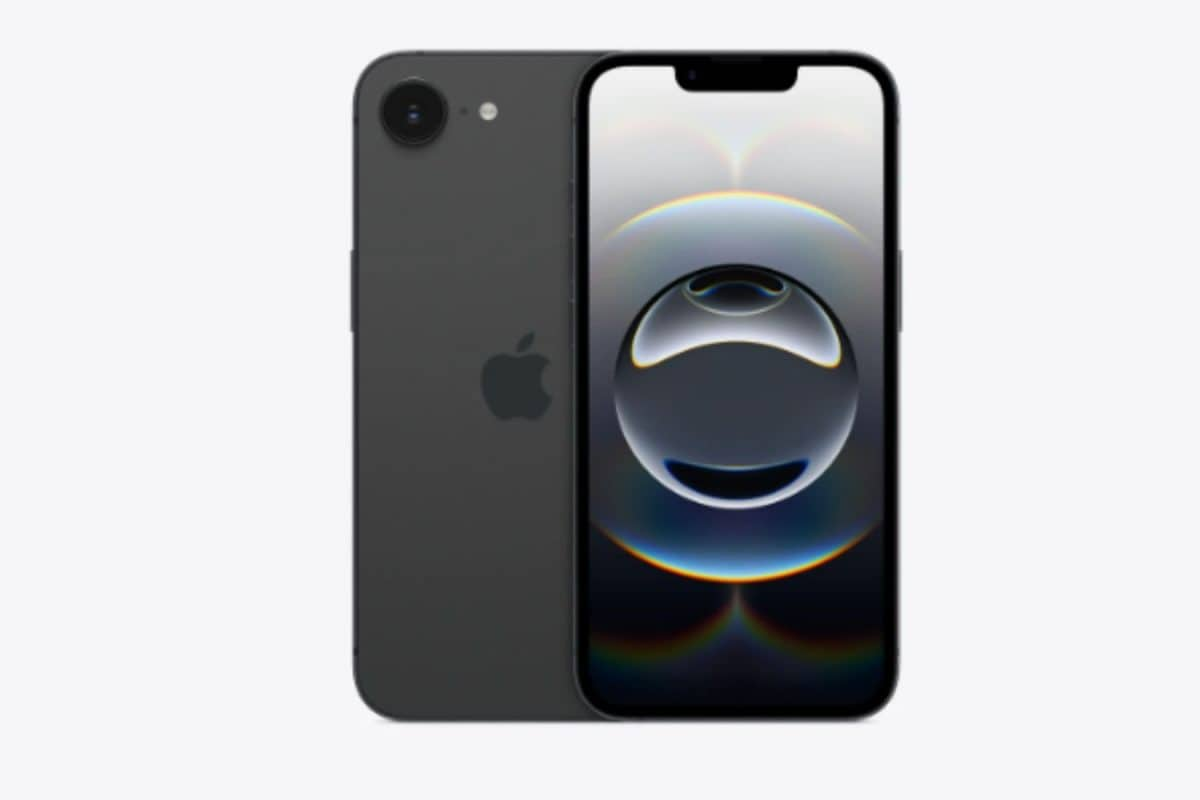
Apple is reportedly planning a major shift in its product release strategy, scheduling the premium iPhone 18 Pro and its first foldable iPhone for September 2026. Meanwhile, the standard iPhone 18 models are expected to debut later in early 2027. This staggered rollout marks a significant departure from Apple's traditional annual launch cycle.
Key Takeaways
- iPhone 18 Pro, Pro Max, and Apple's first foldable phone are tipped for a September 2026 debut.
- The standard iPhone 18 and 18e models might be delayed until early 2027, shifting Apple's traditional launch cycle.
- Pro models are expected to feature the next-gen 2nm A20 Pro chip and a variable-aperture camera.
Tech giant Apple is poised to disrupt its traditional smartphone launch calendar. According to recent industry leaks, the Cupertino-based company plans to split the release of its upcoming iPhone 18 series. The premium iPhone 18 Pro, iPhone 18 Pro Max, and Apple’s highly anticipated debut foldable iPhone are projected to launch in September 2026. Conversely, budget-conscious consumers looking forward to the standard iPhone 18 and iPhone 18e will likely have to wait until early 2027.
A Strategic Staggered Rollout
This potential shift represents a calculated transition in Apple's marketing and supply chain strategy. For over a decade, Apple has unveiled its entire flagship lineup concurrently in September. By reserving the autumn window exclusively for its ultra-premium and experimental foldable devices, Apple aims to maximize the spotlight on its high-margin hardware. Introducing the standard models and a second-generation iPhone Air in the spring of 2027 could help maintain consistent sales momentum throughout the fiscal year, preventing the post-holiday slump that tech companies frequently face.
Hardware Upgrades and 2nm Technology
Under the hood, the iPhone 18 Pro series is rumored to pack unprecedented processing power. Speculation points to the inclusion of the A20 Pro chip, which is expected to be manufactured using TSMC’s cutting-edge 2nm process. This transition from 3nm to 2nm technology promises substantial improvements in energy efficiency and computational speed, further cementing Apple's lead in mobile silicon. Additionally, the Pro models may debut a smaller Dynamic Island and Apple’s proprietary C2 modem for enhanced 5G connectivity.
Camera Revolution and Foldable Ambitions
Photography enthusiasts have much to look forward to, as at least one Pro model is expected to feature a variable-aperture main camera lens. This mechanical upgrade will allow the camera to dynamically adjust light intake, significantly improving low-light photography and depth-of-field control. Meanwhile, the rumored book-style foldable iPhone will mark Apple's official entry into the foldable arena, featuring a dual-screen design. However, due to the sheer complexity of manufacturing flexible displays, initial supplies of the foldable model might be highly constrained.
Market Implications and Competitive Landscape
Apple’s entry into the foldable space and the staggered release strategy could reshape the global smartphone market. Competitors like Samsung and Google, who have enjoyed a head start in the foldable segment, will face intense pressure once Apple's ecosystem integrates with flexible hardware. Furthermore, by spacing out its releases, Apple can sustain year-round consumer interest and better manage its global supply chain logistics amidst escalating geopolitical and manufacturing challenges.