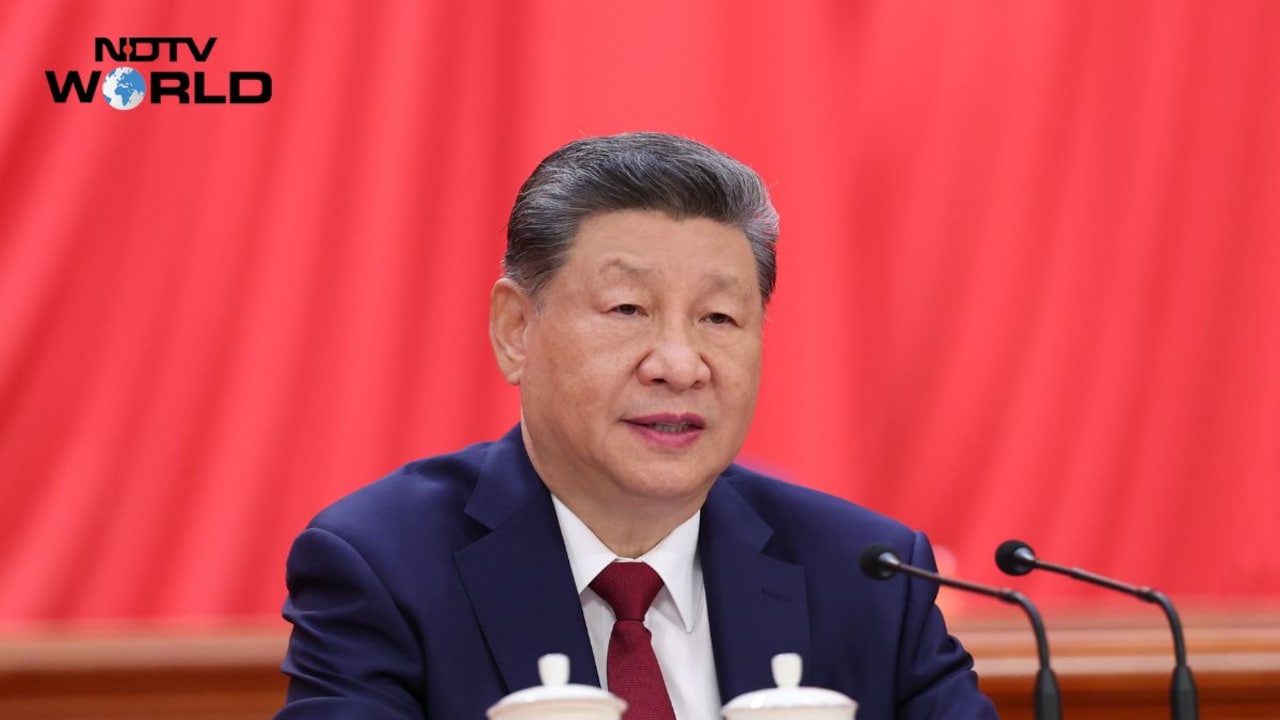
President Xi Jinping will deliver a keynote at the World Artificial Intelligence Conference (WAIC) in Shanghai, outlining China’s roadmap for AI development and regulation. The event aims to showcase initiatives that could challenge U.S. dominance in the sector.
Key Takeaways
- Xi Jinping to address the WAIC in Shanghai
- China aims to rival U.S. leadership in AI
- New regulatory framework emphasizing ethics and global cooperation
At the World Artificial Intelligence Conference (WAIC) in Shanghai on Friday, Chinese President Xi Jinping will present a comprehensive vision for the nation’s artificial‑intelligence strategy. The gathering, which attracts leading tech firms, policymakers and scholars from around the globe, now serves as the stage for China to articulate its “AI Dream” and its ambition to compete with the United States.
Historical Context
China’s AI journey began in earnest with the 2017 “New Generation Artificial Intelligence Development Plan,” which set a target to become the world’s primary AI innovator by 2030. Since then, the country has poured more than ¥1 trillion (≈ $150 billion) into AI research, data infrastructure, and industry‑wide applications. The plan has spurred the rapid rise of AI labs, smart‑city projects, and autonomous‑vehicle pilots, positioning China as a formidable contender on the global stage.
Regulation and Ethics
In his upcoming speech, Xi is expected to stress the need for a robust regulatory framework that aligns AI progress with social stability and national security. “Technological advancement must harmonise with the well‑being of the people,” he is likely to assert. New guidelines will address data protection, algorithmic transparency, and bias‑free AI models—areas that have drawn intense scrutiny worldwide. Analysts suggest that China’s proactive stance could shape international standards and foster cross‑border collaboration.
Competing with the United States
To counter the entrenched dominance of American tech giants, China has prioritized autonomy and innovation within its AI ecosystem. At the Shanghai conference, leading domestic players such as Baidu, Tencent, and Huawei will unveil next‑generation AI platforms targeting healthcare, finance, and manufacturing—domains where U.S. counterparts currently lead. This showcase is poised to attract foreign investment and signal China’s readiness to claim a larger share of the global AI market.
Future Outlook
Following the conference, Xi is expected to call for deeper international cooperation on AI safety, emphasizing an “open, inclusive, and secure AI environment” as essential for humanity’s future. If China can successfully blend cutting‑edge research with a coherent regulatory regime, it may not only consolidate its domestic AI ambitions but also influence the worldwide discourse on technology governance.