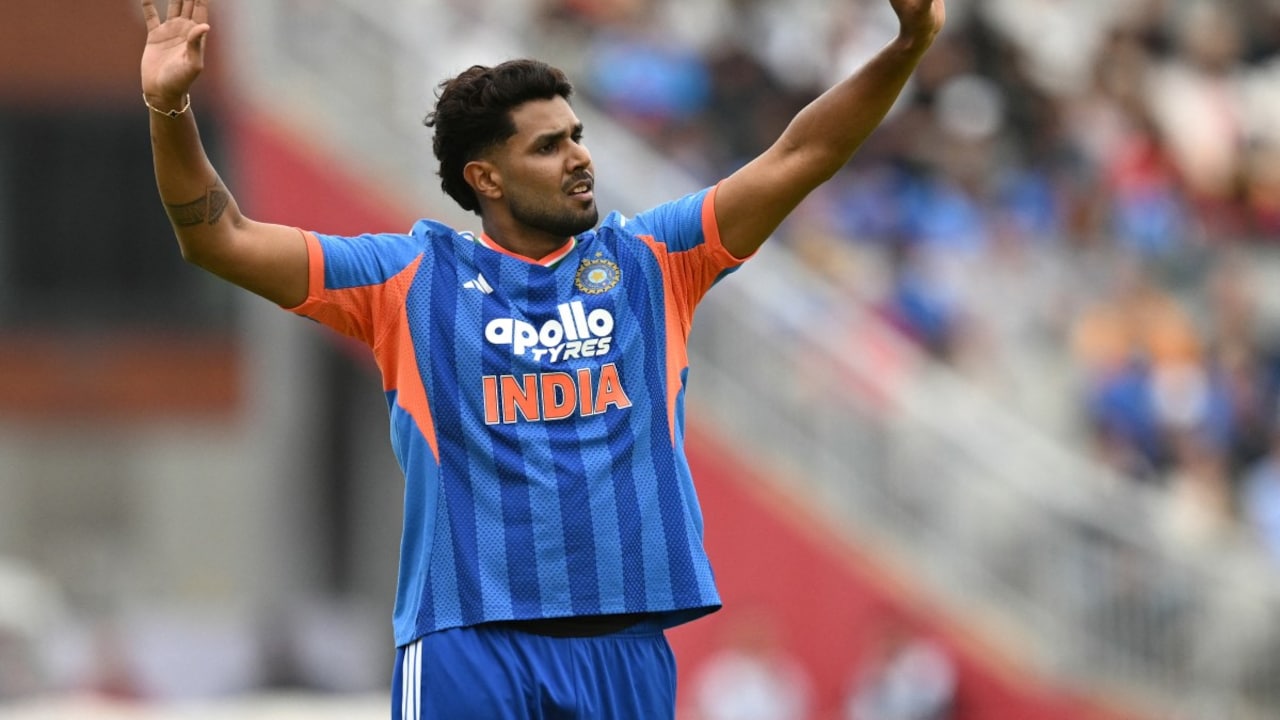
Harshit Rana’s hamstring setback in his first series post‑knee surgery has sparked concerns about weight gain during rehab. Experts warn it may signal a broader fitness‑management issue for fast bowlers.
मुख्य बिंदु (Key Takeaways)
- Rana added significant weight during post‑surgery rehab, leading to a hamstring injury.
- Excess weight can reduce a fast bowler’s pace and stamina.
- Coaching staff must integrate nutrition and weight monitoring into recovery protocols.
Indian fast‑bowling prospect Harshit Rana has hit a roadblock just as he was poised to make a comeback after a knee operation. In his debut series post‑surgery, a hamstring tear forced him out, prompting senior sources to reveal a concerning weight gain during his rehabilitation period. The episode has ignited a debate about how elite cricketers manage body composition while recovering from injury.
Rehab Timeline and Weight Gain
Rana burst onto the domestic scene in 2022, quickly earning praise for his raw pace and ability to generate bounce. A serious knee injury in late 2023 sidelined him for several months, and while physiotherapy focused on joint stability, the nutritional aspect of his recovery was largely overlooked. Within three months, his body‑mass index rose by roughly five kilograms—a figure that, for a fast bowler, can be detrimental to both speed and agility.
Impact of Extra Weight on Fast Bowling
Sports science tells us that a fast bowler’s performance hinges on a delicate balance of strength, speed, and flexibility. Additional bulk tends to slow muscle contraction speed, increasing the load on key muscle groups such as the hamstrings during the run‑up and delivery stride. In Rana’s case, coaches observed a dip in his release speed and a wobble in his repeat‑run rhythm, classic symptoms of over‑weight fatigue. The injury, therefore, is not merely a freak accident but a symptom of compromised biomechanics.
Wider Implications for Indian Cricket
The incident underscores a systemic issue: many Indian cricket rehabilitation programs still lack integrated nutritionists and sports dietitians. While top‑tier international sides employ multidisciplinary teams—combining physiotherapists, diet experts, and sports psychologists—to keep athletes’ body composition in check, India’s approach often remains fragmented. If unaddressed, similar weight‑related setbacks could become a recurring theme, eroding the depth of the nation’s fast‑bowling arsenal.
Path Forward and Recommendations
Experts recommend a tailored nutrition plan, frequent weight assessments, and targeted strength‑conditioning drills to bring Rana’s physique back within optimal parameters. Leveraging modern tools such as bio‑impedance analysis and wearable performance trackers can provide real‑time data, enabling coaches to adjust training loads before injuries manifest. Implementing these measures could accelerate Rana’s return and set a new benchmark for injury‑prevention protocols across Indian cricket.


