During the 2026 FIFA World Cup semi‑final, Argentina lifted a banner proclaiming the Falkland Islands as Argentine, triggering scrutiny under FIFA’s political‑gesture ban. The incident revives a dispute dating back to the 19th century and the 1982 war, highlighting the fragile line between sport and geopolitics.
Key Takeaways
- Argentina displayed a Falklands banner after beating England
- FIFA rules strictly forbid political messages on or near the field
- The dispute traces back to British control in 1833 and the 1982 war
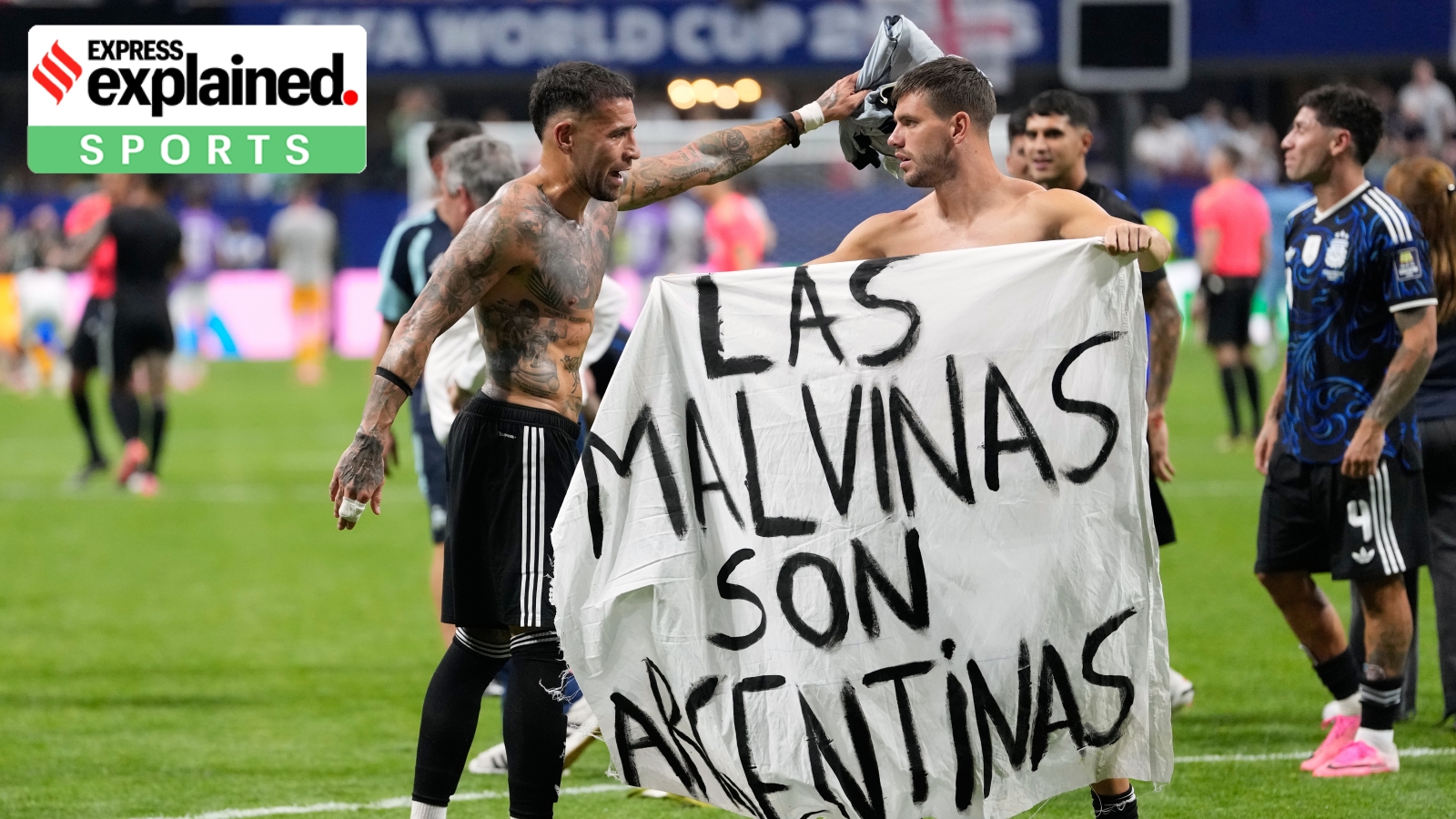
At the Atlanta stadium during the 2026 FIFA World Cup semi‑final, Argentina celebrated a 2‑1 victory over England by holding up a banner that read “Las Malvinas son Argentinas” – translating to “The Falkland Islands are Argentine.” The gesture instantly reignited a long‑standing sovereignty dispute between Argentina and the United Kingdom, turning a sporting triumph into a political flashpoint.
Historical Context
The islands, known in Argentina as the “Islas Malvinas,” have been under British administration since 1833. Argentina claims inheritance of sovereignty from Spain after its 1816 independence, deeming the British presence illegal. The contention escalated into a 74‑day war in 1982, costing 649 Argentine and 255 British lives. Although a 2013 referendum showed the islanders’ preference to remain a British Overseas Territory, Argentina continues to regard the islands as a core element of its national identity.
FIFA Regulations on Political Symbols
FIFA’s statutes expressly prohibit any political banner, flag, or message before, during, or immediately after a match within the stadium vicinity. The International Football Association Board (IFAB) also bans players from using equipment that bears political content. Violations can lead to fines, warnings, or even disqualification from competitions.
How the Banner Appeared and Past Precedents
Reports indicate that Argentine fans were barred from bringing Falklands‑related flags into the semi‑final. Yet, players Lautaro Martínez and Giovanni Lo Celso lifted the banner, prompting speculation about FIFA’s disciplinary response. A similar incident occurred in a 2014 friendly against Slovenia, where Argentina displayed an identical banner and was subsequently fined 30,000 Swiss francs for a non‑sporting sanction.
Reactions from Officials and Fans
Argentina’s Vice‑President Victoria Villarruel posted on X, “They banned bringing them to the stadium, but we carry them in our blood and hearts.” Meanwhile, British Consul General Rachel Galloway said fans may chant about the Malvinas, emphasizing a “way to work together.” The chant after the match – “Por las Malvinas, por Diego y por el último de Leo” – blended the territorial claim with tributes to football legends Diego Maradona and Lionel Messi.
Potential Consequences and Broader Implications
If FIFA classifies the banner as a prohibited political statement, Argentina could face a monetary penalty, a formal warning, or restrictions in future tournaments. The episode underscores the growing tension between nationalistic expressions and global sport governance, urging football’s governing bodies to tighten enforcement while respecting the emotional stakes of participating nations.