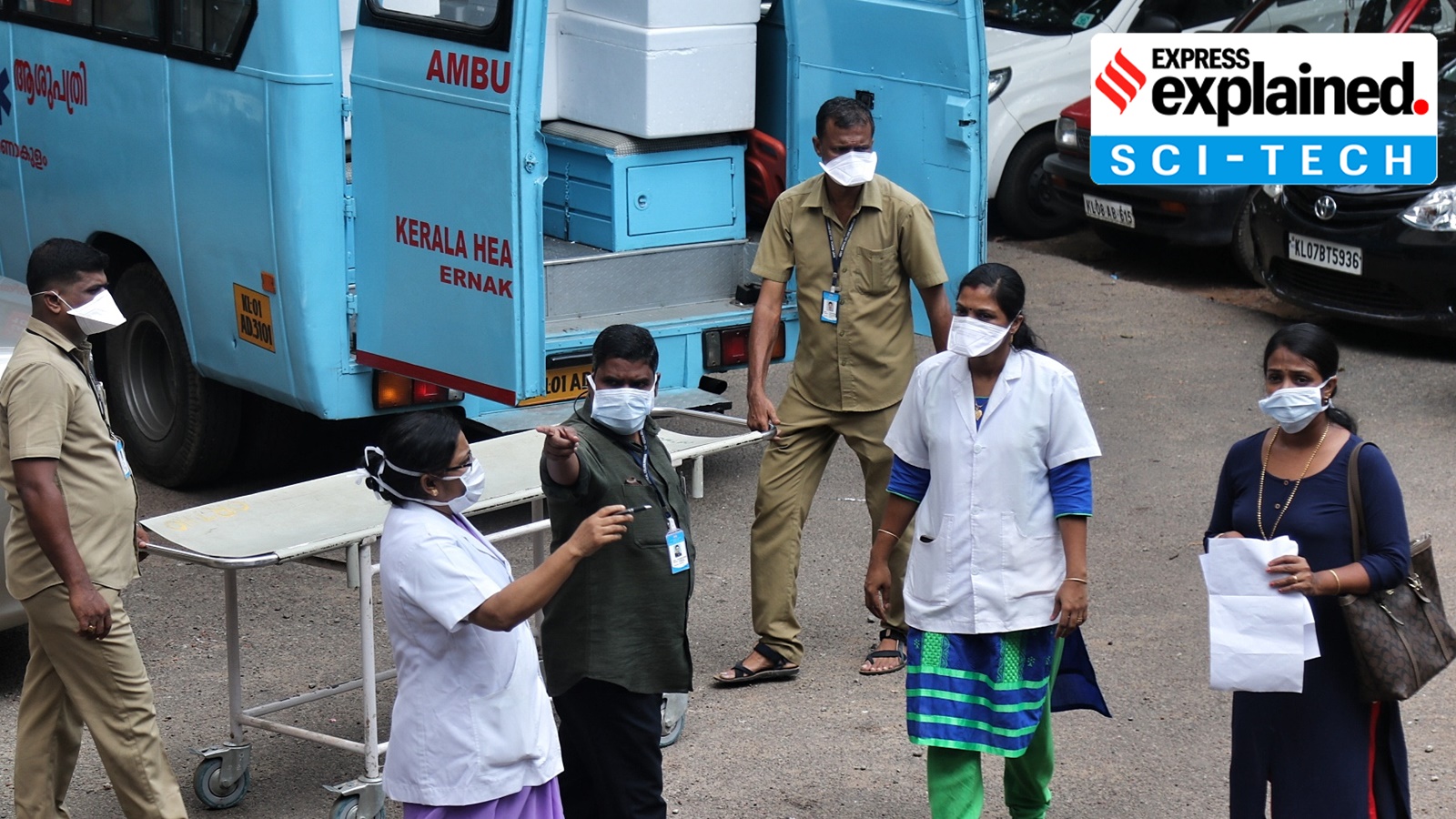
As zoonotic threats like Ebola and Nipah become more frequent, experts warn that global preparedness must move from reactive response to proactive scientific integration.
Key Takeaways
- Zoonotic infections like Ebola, Nipah, and Hantavirus are becoming recurring global patterns.
- Global travel and ecological shifts allow local outbreaks to become international crises within days.
- A critical gap exists between academic research and industrial-scale vaccine manufacturing.
- Strengthening academia-industry partnerships and utilizing AI is essential for pandemic prevention.
The era of isolated viral outbreaks is over. Recent surges in Ebola, Hantavirus, and Nipah virus cases demonstrate that dangerous zoonotic infections are increasingly appearing at the intersection of human activity, wildlife habitats, and global travel networks. As experts point out, a pathogen originating in a remote forest village or on a commercial cruise ship can cross international borders in a matter of days, turning a local event into a global emergency.
The Growing Threat of Zoonotic Pathogens
Each of these viruses presents a unique and terrifying profile. Ebola remains one of the most feared pathogens due to its high case-fatality rate of approximately 50%, often exacerbated by social instability and weak surveillance in affected regions. Nipah virus, primarily transmitted by fruit bats, poses a persistent threat in South Asia, with mortality rates reaching as high as 75%. Meanwhile, Hantaviruses, often spread by rodents, have shown their ability to travel via global transit hubs, as seen in recent cruise ship clusters, proving that even niche ecological viruses can gain international significance rapidly.
Lessons from COVID-19 and the Technological Gap
The COVID-19 pandemic provided a blueprint for rapid vaccine design and scale-up. However, it also highlighted a systemic inequality: the cutting-edge platforms required for such speed—such as mRNA technology and viral vector systems—are not freely accessible to all. Many researchers are hindered by patents, proprietary manufacturing know-how, and complex regulatory hurdles, which prevent promising laboratory discoveries from reaching the public in time.
A Roadmap for Future Preparedness
To preempt the next pandemic, the global community must bridge the gap between basic biological research and industrial-scale production. While universities and national labs excel at understanding pathogen biology, the pharmaceutical industry is essential for formulation, quality control, and massive distribution. Integrating Artificial Intelligence (AI) can accelerate the identification of vaccine targets, but the ultimate defense lies in a seamless synergy between academic innovation and industrial capacity. The response to future outbreaks must be built well in advance, long before the first death is reported.