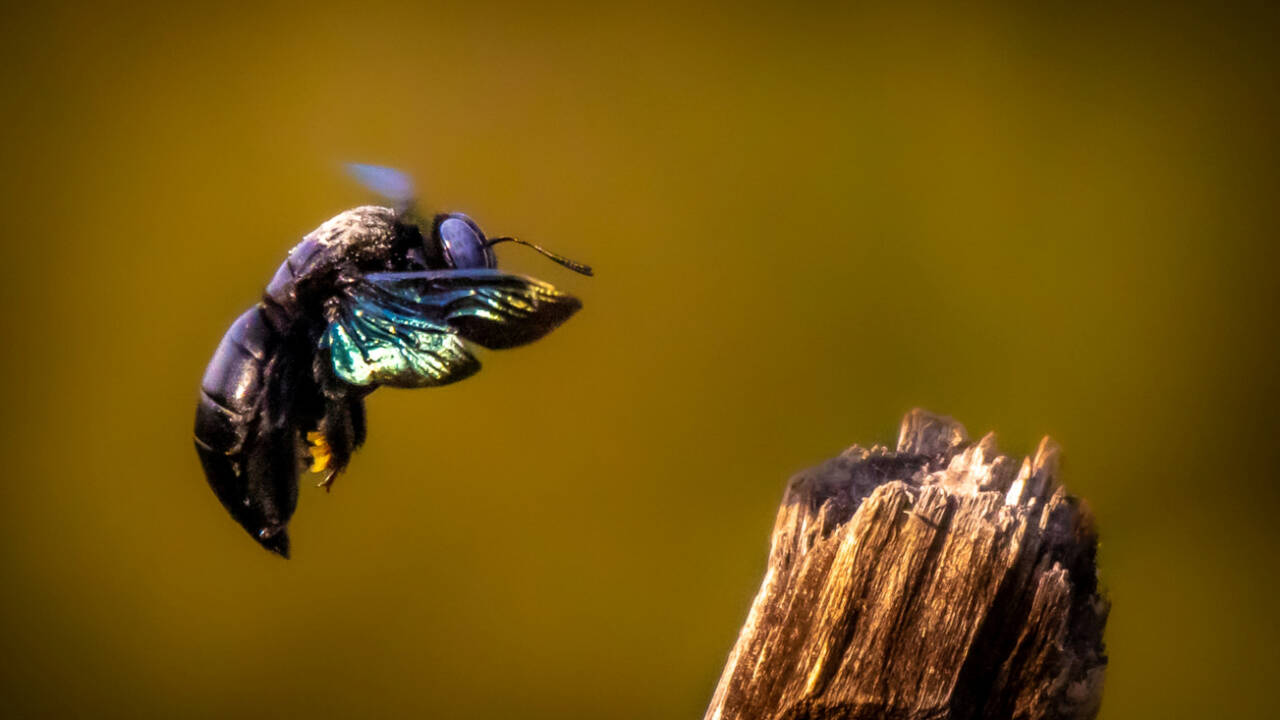
New research reveals that while bumblebees survive low-dose pesticide exposure, their reproductive genes are being altered, posing a long-term threat to global food security.
Key Takeaways
- Exposure to the pesticide 'Sulfoxaflor' is causing significant genetic shifts in bumblebees.
- While low doses do not kill the bees immediately, they impair reproductive gene expression.
- This genetic damage could lead to colony collapse and disrupt global pollination systems.
In a groundbreaking study, researchers at the Georgia Institute of Technology have uncovered a silent threat to one of nature's most vital pollinators. While modern pesticides are designed to target specific agricultural pests, new evidence suggests they are leaving a lasting, invisible mark on bumblebees. The study reveals that exposure to low doses of certain chemicals does not kill the bees outright but induces profound changes in the genes responsible for their reproduction.
The Molecular Impact of Sulfoxaflor
The research focused on Sulfoxaflor, a next-generation insecticide widely used to combat sap-sucking pests like aphids. By analyzing the RNA from the tissues of worker bumblebees, scientists discovered that the chemical triggered significant changes in gene expression, particularly within the ovarian tissues. These molecular alterations suggest that even if a bee survives the chemical exposure, its ability to contribute to the next generation is fundamentally compromised, potentially leading to a gradual decline in colony health and population density.
The Critical Role of 'Buzz Pollination'
Bumblebees are indispensable to the global agricultural economy. Unlike many other insects, they perform a specialized technique known as 'buzz pollination', where their high-frequency vibrations release pollen from specific types of flowers. This process is essential for the cultivation of high-value crops such as tomatoes, blueberries, and various wild plants. With approximately one-third of the world's food production relying on insect pollination, any disruption to bumblebee populations poses a direct risk to global food security.
Navigating the Agricultural Dilemma
The findings highlight a growing tension between effective pest management and environmental conservation. Farmers require chemical tools to protect yields and ensure food supplies, yet the collateral damage to beneficial species like bumblebees could undermine the very foundation of agriculture. Scientists are now calling for a shift toward more targeted, ecologically sensitive pest control methods that can protect crops without triggering a genetic crisis in the pollinators that sustain them.