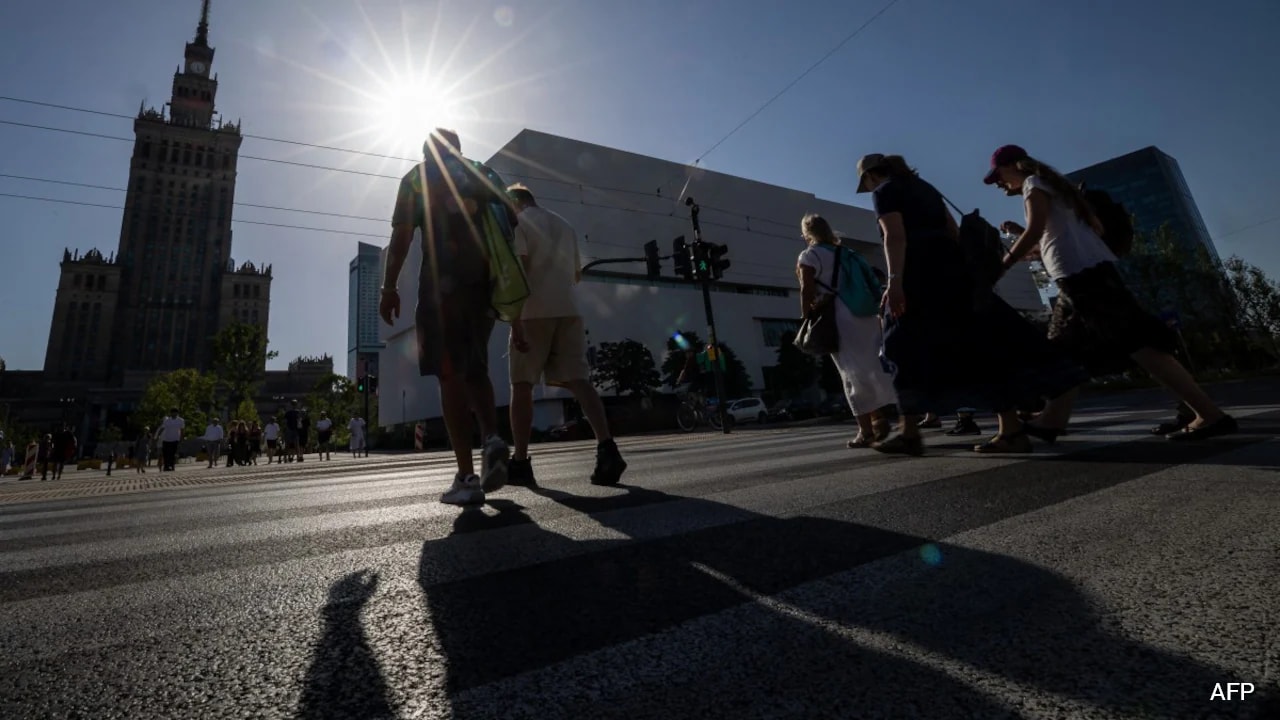
As extreme heat becomes a global reality, a German-engineered app is providing a lifeline by guiding users through shaded urban routes.
Key Takeaways
- A German-developed app maps shaded walking routes to protect citizens from extreme heat.
- The technology utilizes sun position and shadow data to optimize pedestrian safety.
- This innovation addresses the growing public health crisis caused by climate change.
As Europe grapples with unprecedented and increasingly frequent heatwaves, the intersection of technology and public health is providing a much-needed shield. A groundbreaking mobile application developed in Germany is changing the way urban commuters navigate their cities. By mapping shaded walking routes, the app offers a strategic way to avoid the direct, punishing glare of the sun, effectively turning shade into a critical lifeline for pedestrians.
The Science of Shadow Mapping
The sophistication of this application lies in its ability to process complex solar geometry and shadow data. Unlike standard GPS services that focus solely on the fastest route, this app prioritizes thermal comfort. It analyzes the height of buildings, the density of urban greenery, and the real-time position of the sun to predict exactly where shadows will fall along a specific path. This allows users—particularly vulnerable populations like the elderly—to plan commutes that minimize exposure to dangerous temperatures.
Addressing the Urban Heat Island Effect
The emergence of such tools is a direct response to the Urban Heat Island (UHI) effect, where metropolitan areas experience significantly higher temperatures than their rural surroundings due to concrete and asphalt. As climate change accelerates, these micro-climates within cities are becoming health hazards. This German innovation highlights a shift in urban navigation: moving from 'speed-optimized' routing to 'safety-optimized' routing.
A Blueprint for Future Smart Cities
Experts suggest that as global temperatures continue to rise, digital climate adaptation tools will become as essential as weather forecasts. The success of this app serves as a blueprint for how Smart Cities can leverage data to protect their citizens. It is no longer just about connectivity; it is about using connectivity to build resilience against an increasingly volatile environment.