Scientists have unlocked a revolutionary method to analyze airborne environmental DNA using standard air filters. This technology allows for the non-invasive monitoring of local wildlife and viral pathogens, transforming existing pollution stations into powerful biological data hubs.
Key Takeaways
- Standard air filters can now collect airborne environmental DNA (eDNA) from animals and viruses.
- This technology enables non-invasive monitoring of biodiversity and viral outbreaks.
- Existing air quality monitoring networks are being repurposed for global ecological surveillance.
In a groundbreaking development that bridges the gap between environmental science and forensic technology, researchers have demonstrated that standard air filters can effectively capture traces of DNA from the environment. This innovative method analyzes airborne environmental DNA (eDNA), allowing scientists to detect local wildlife, monitor potential viral threats, and even track human presence without the need for direct physical observation. The discovery transforms the ubiquitous infrastructure of air pollution monitoring into a global sentinel system for biological data.
The Science of Airborne DNA
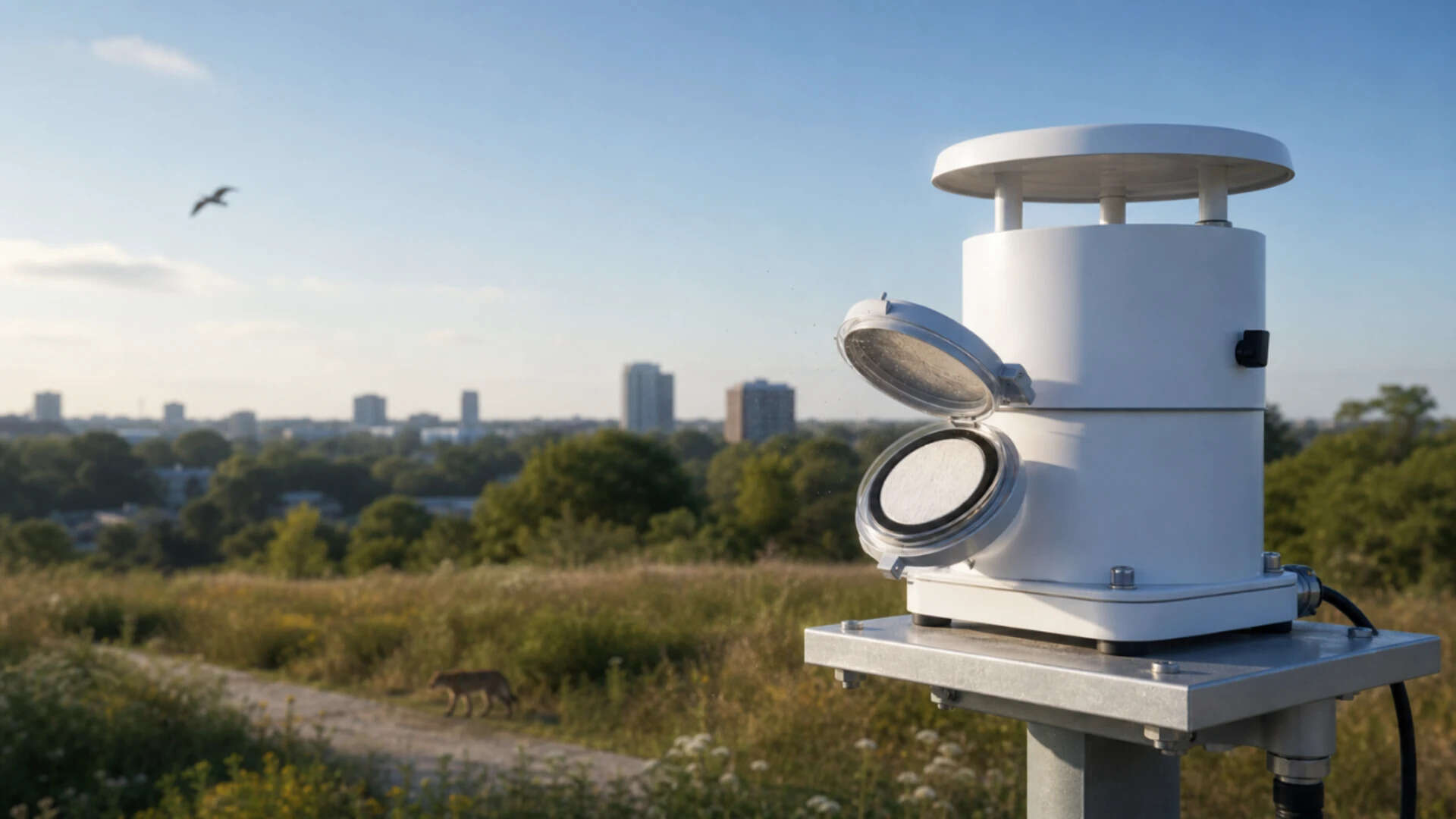
Every living organism sheds genetic material into its surroundings through skin cells, saliva, fur, and waste. These microscopic particles, known as eDNA, drift through the air and can be trapped by the fibrous meshes of air filtration systems. By extracting and sequencing this genetic material from filters already installed at national air pollution monitoring stations, researchers can construct a detailed picture of the biodiversity in a specific area. This process eliminates the labor-intensive and often disruptive traditional methods of wildlife tracking, such as camera trapping or physical capture.
Implications for Ecosystem Mapping
The implications of this technology extend far beyond simple species identification. Utilizing advanced sequencing techniques, scientists can now map entire ecosystems with unprecedented precision. This allows for the exploration of genetic variations within species, providing critical data for conservationists working to protect endangered populations. Furthermore, this approach offers a passive, continuous surveillance mechanism for detecting pathogens. By analyzing the air filters, health authorities could potentially identify the presence of dangerous viruses in a community long before clinical symptoms appear in patients.
A New Era of Surveillance
Perhaps the most significant aspect of this discovery is its scalability. Since air quality monitoring stations are already established globally in major cities and remote areas, a vast network of biological data collection is already in place. Researchers can harness this existing infrastructure to gather essential biological data, turning pollution control centers into inadvertent biodiversity observatories. This cost-effective approach provides a high-resolution temporal map of ecological changes, offering insights into how wildlife populations shift or migrate in response to climate change and urbanization.
As this technology matures, it is expected to become a cornerstone of modern ecology and public health. The ability to 'read' the DNA in the air opens up a new dimension of understanding our environment, proving that the air we share is a library of biological information waiting to be decoded.