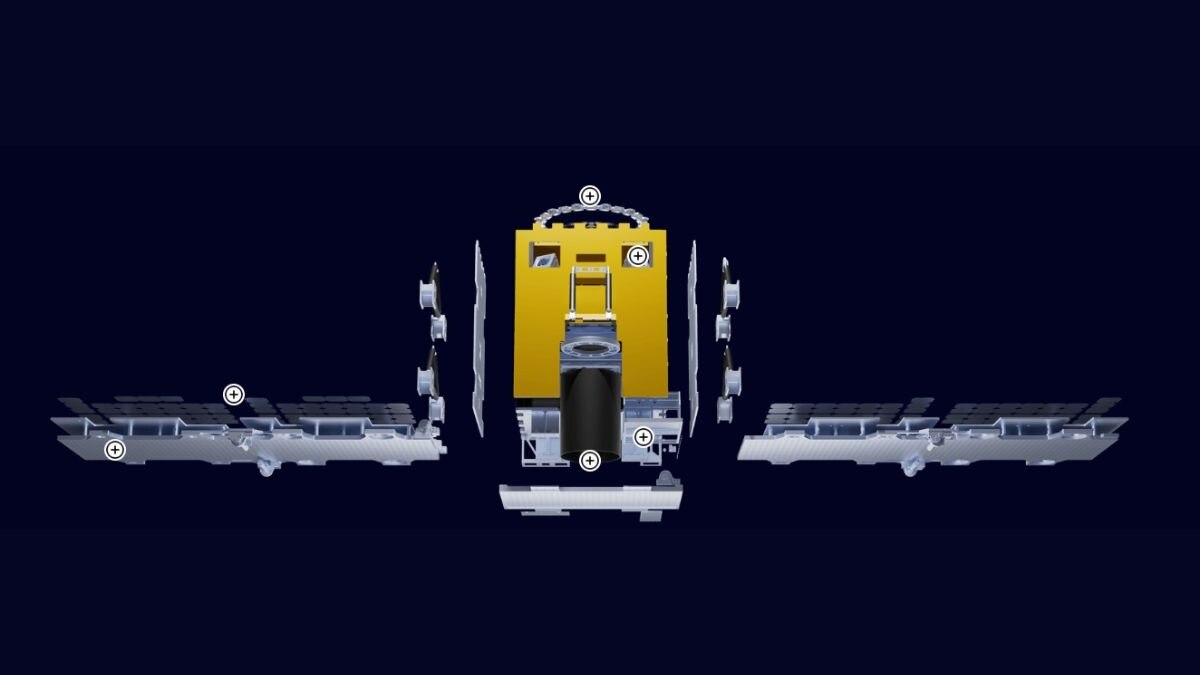
India's Drishti satellite has been lost in space after being hit by a solar storm, dealing a significant blow to the country's space program
India's Drishti satellite has been lost in space after being hit by a solar storm, dealing a significant blow to the country's space program. The satellite was a crucial project for India, aimed at strengthening the country's communication and navigation systems. The solar storm caused damage to the satellite's systems, rendering it inoperable. This incident is a major setback for India's space program, which is a symbol of the country's technological and scientific progress. Experts from the Indian Space Research Organisation (ISRO) believe that the solar storm caused damage to the satellite's electronic systems, making it impossible to operate. Following this incident, new challenges have arisen for India's space program, which will require the government and ISRO to work together to overcome. Despite the failure of the Drishti satellite, India's space program continues to progress, with plans for new satellite launches underway. This incident serves as a lesson for India, encouraging the country to further strengthen its space program. The loss of the Drishti satellite highlights the risks and challenges associated with space exploration and the importance of developing robust and resilient systems to withstand such events. As India continues to push the boundaries of space technology, it is essential to learn from this experience and apply the lessons to future missions. The country's space program has made significant strides in recent years, and it is crucial to maintain this momentum and continue to innovate and improve. The Drishti satellite incident is a reminder that space exploration is a complex and challenging field, requiring careful planning, execution, and risk management. By learning from this experience, India can emerge stronger and more resilient, with a renewed commitment to advancing its space program and achieving its goals in this critical area.