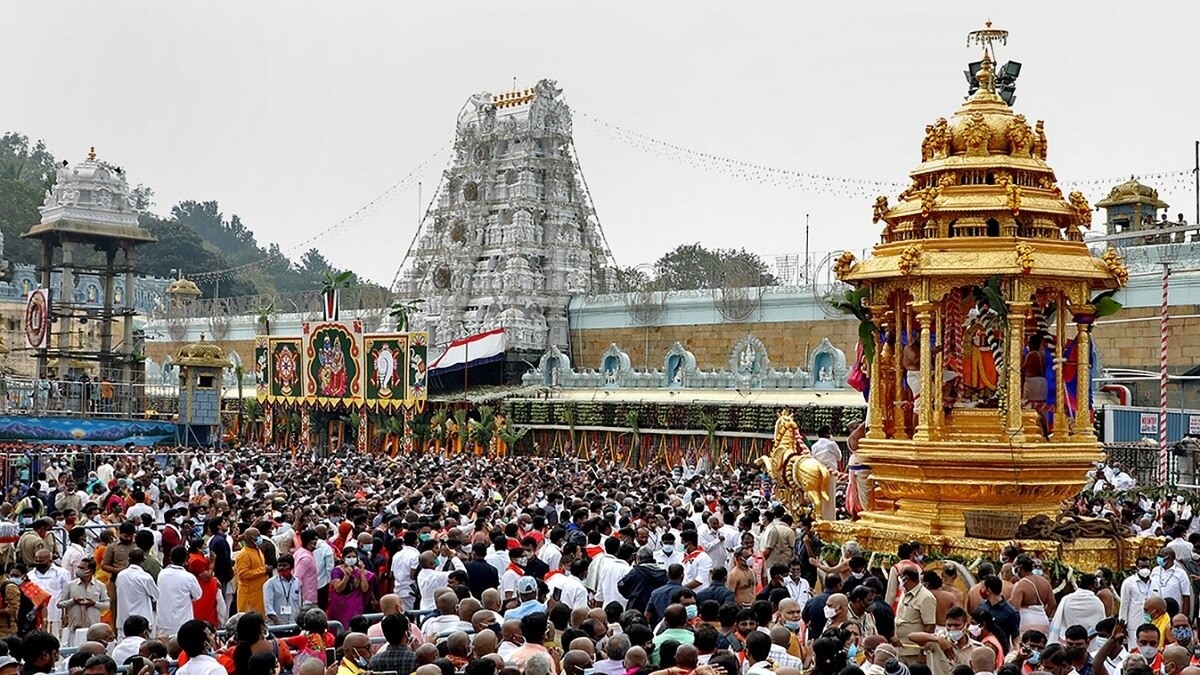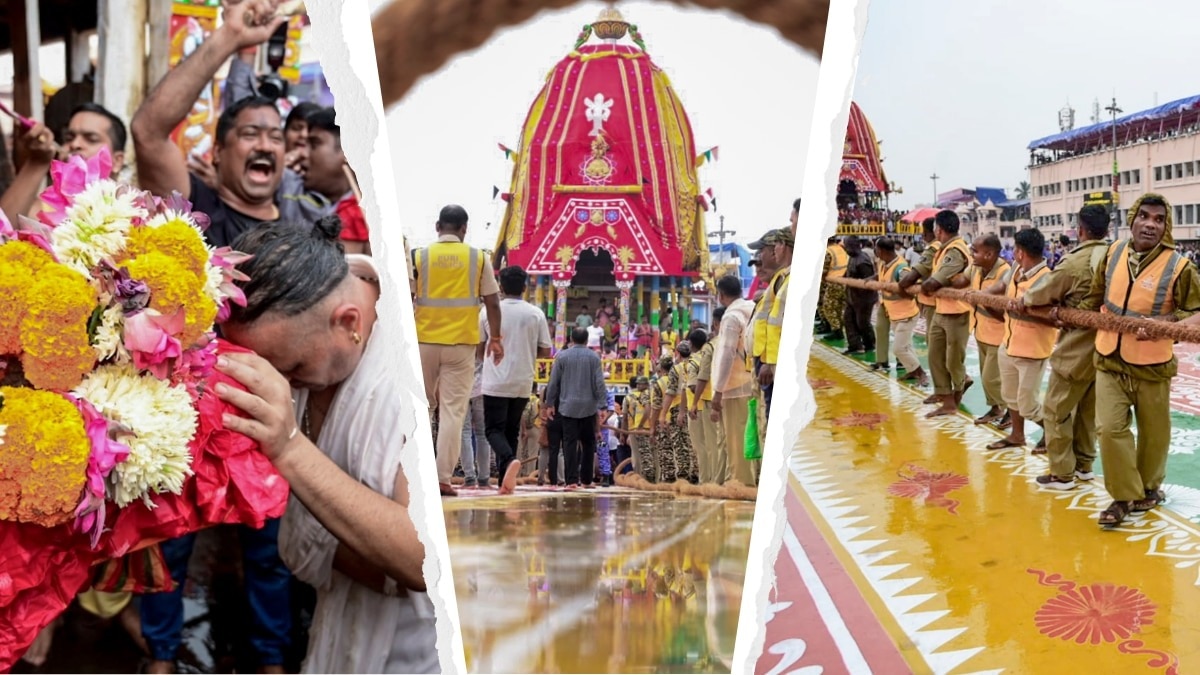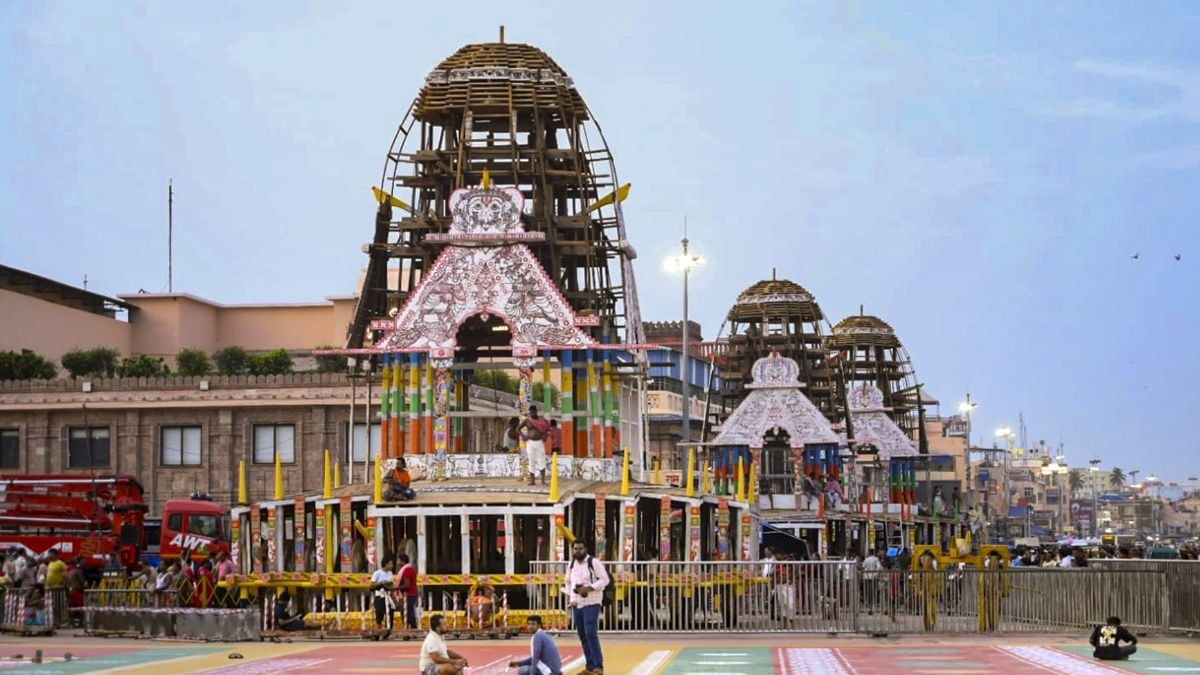
The Shree Jagannath Temple Administration (SJTA) has strongly refuted ISKCON's scriptural justifications for organizing Rath Yatra on non-traditional dates abroad. The temple body accused ISKCON of misleading global devotees and misrepresenting the stance of the titular king of Puri, Gajapati Maharaja Dibyasingha Deb.
Key Takeaways
- SJTA rejected ISKCON's claim that holding Rath Yatra on non-traditional dates outside India is scripturally sanctioned.
- The temple administration accused ISKCON of misleading global devotees and spreading confusion.
- SJTA strongly objected to claims that Gajapati Maharaja Dibyasingha Deb endorsed these off-season celebrations.
- Traditional scriptures mandate the Rath Yatra to be held strictly on the Dwitiya Tithi of Ashadha Shukla Paksha.
The long-standing theological and administrative dispute between the Shree Jagannath Temple Administration (SJTA) in Puri and the International Society for Krishna Consciousness (ISKCON) has escalated. The SJTA has formally rejected ISKCON's claims that organizing the holy Rath Yatra on dates different from those observed in Puri is sanctioned by Hindu scriptures, accusing the global organization of misleading devotees worldwide.
The Scriptural Debate and the March 2025 Meeting
The core of the controversy lies in the timing of the Rath Yatra. While the traditional festival in Puri is celebrated strictly on the Dwitiya Tithi of Ashadha Shukla Paksha (usually falling in June or July), ISKCON has frequently organized Rath Yatras at various international locations at different times of the year to suit local logistics and seasonal conditions.
According to the SJTA, a press release issued by ISKCON's National Communications Office in New Delhi on July 12 contained "false statements" aimed at creating confusion. The temple administration revealed that during a high-level meeting in Bhubaneswar on March 20, 2025, ISKCON scholars attempted to justify these off-season celebrations using scriptural references. However, SJTA’s traditional scholars and theologians reportedly refuted those arguments entirely using authentic Puranic texts and temple Agamas.
Controversy Surrounding the Gajapati Maharaja
Adding fuel to the fire, the SJTA strongly objected to ISKCON's insinuation that Gajapati Maharaja Dibyasingha Deb, the titular king of Puri and the 'Adya Sevaka' (first servitor) of Lord Jagannath, had endorsed the off-season celebrations. ISKCON had pointed to the Maharaja's attendance at a Rath Yatra event in Berlin, Germany, as an implicit endorsement.
The SJTA termed this claim "deliberate and mischievous," stating that it unfairly questioned the integrity and conduct of the Gajapati Maharaja. The administration clarified that the King's presence at a global event did not equate to a theological endorsement of altering sacred calendar dates for highly revered rituals.
Preserving Temporal Sanctity of Vedic Rituals
In Hindu philosophy, the timing of rituals (Muhurta) is not arbitrary but is deeply connected to cosmic alignments, astrological charts, and specific lunar phases. Altering these dates for convenience is viewed by traditionalists as a dilution of the spiritual potency of the rituals. For the custodians of the Puri temple, maintaining the strict temporal sanctity of the Rath Yatra is paramount to preserving the ancient heritage of Lord Jagannath.
When reached for comment, ISKCON's Country Director of Communications and National Spokesperson, Yudhistir Govinda Das, declined to comment immediately, stating he had not yet thoroughly reviewed the official statement issued by the SJTA. As the debate continues, the global Hindu diaspora remains watchful of how this clash between orthodox tradition and global outreach will be resolved.