During the annual Rath Yatra in Puri, Odisha, Lord Jagannath’s chariot halts at the tomb of Muslim devotee Salbeg. This article explores the origin, historical context, and social significance of this unique tradition.
Key Takeaways
- Salbeg’s legend explains the mandatory stop of the chariot.
- The story exemplifies the power of inter‑faith devotion across centuries.
- The pause is regarded as a mark of respect during the procession.
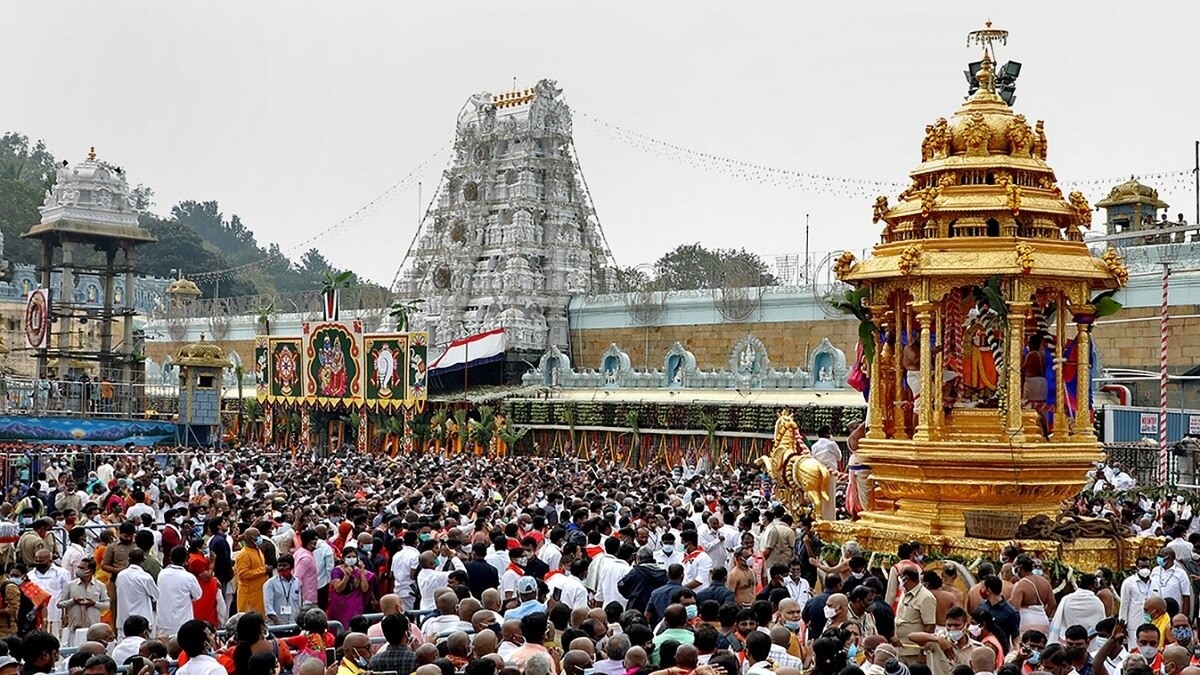
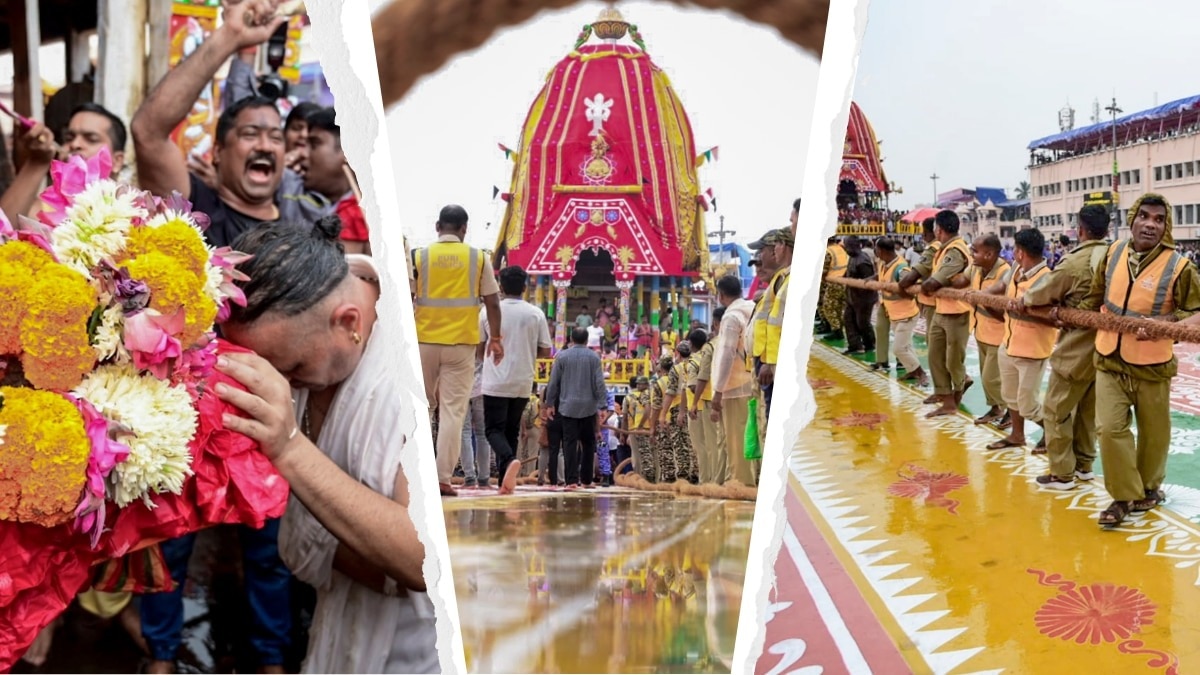
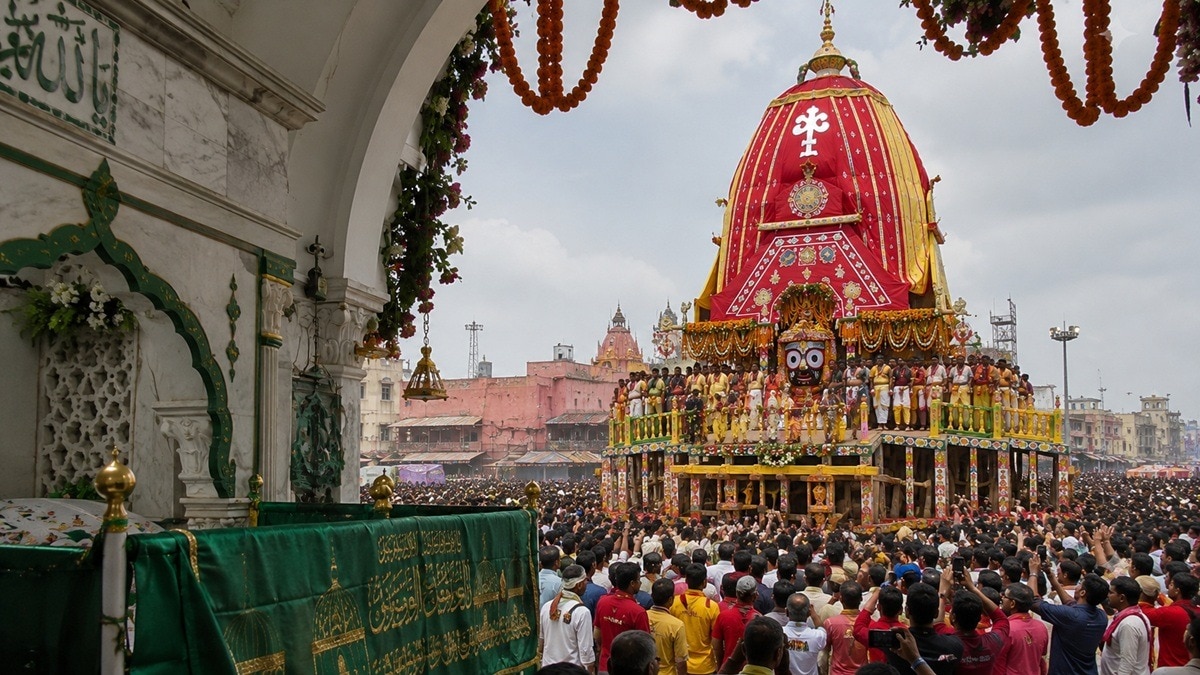
The Jagannath Rath Yatra, beginning on July 16 in Puri, Odisha, is one of India’s most celebrated religious pilgrimages. Lord Jagannath, accompanied by his brother Balabhadra and sister Subhadra, rides a massive chariot through the city’s streets. A distinctive feature of this procession is the chariot’s brief halt in front of the shrine of a Muslim devotee named Salbeg, a tradition rooted in local folklore.
Origins of the Tale
According to oral histories, Salbeg lived during the Mughal era; his father was Muslim and his mother Hindu. After being gravely wounded in battle, his mother urged him to seek refuge in Lord Jagannath. Inspired by his mother’s counsel and the deity’s reputed miracles, Salbeg developed a profound devotion. He travelled to Puri, but was denied entry into the temple. Undeterred, he began chanting and singing the Lord’s praises from outside the temple precincts, eventually earning a place among Jagannath’s most revered devotees.
The Chariot’s Unexplained Halt
One historic Rath Yatra saw the chariot moving from the Shri Temple toward the Gundicha Temple when it abruptly stopped. Thousands of pilgrims tried to push it forward, yet the wheels would not turn. Amidst the confusion, an elderly participant directed everyone’s attention to Salbeg’s mausoleum. When the crowd simultaneously shouted “Jai Jagannath” and “Jai Bhakt Salbeg,” the chariot resumed its motion. This episode cemented the belief that the deity honors his beloved devotee by pausing at his final resting place.
Contemporary Relevance
Even today, the Rath Yatra in Puri observes this pause as a ritualistic homage. The legend underscores that devotion transcends caste, creed, or birth—pure bhakti is the ultimate credential before the divine. Consequently, the procession serves not only as a religious spectacle but also as a powerful reminder of communal harmony and inter‑faith respect.